
Understanding Water Damage Restoration Costs
Water damage restoration does not have one fixed price because the scope depends on the water source, affected area, materials involved, drying requirements and repairs needed afterward. This guide explains the main factors that can change the cost of water damage restoration without relying on generic price ranges that may not match the property.
The cost is usually shaped by how much water is present, where it traveled, how long materials remained wet, which surfaces or building materials were affected, the amount of extraction and drying required, and whether cleanup or interior repair is needed after the moisture problem is addressed.
Water Damage Restoration Pricing Depends on the Actual Scope of Work
Two properties can experience water damage from similar leaks and still require very different restoration work. A small plumbing leak contained to one finished area is not the same scope as water that spreads beneath flooring, into drywall, through cabinets or across multiple rooms.
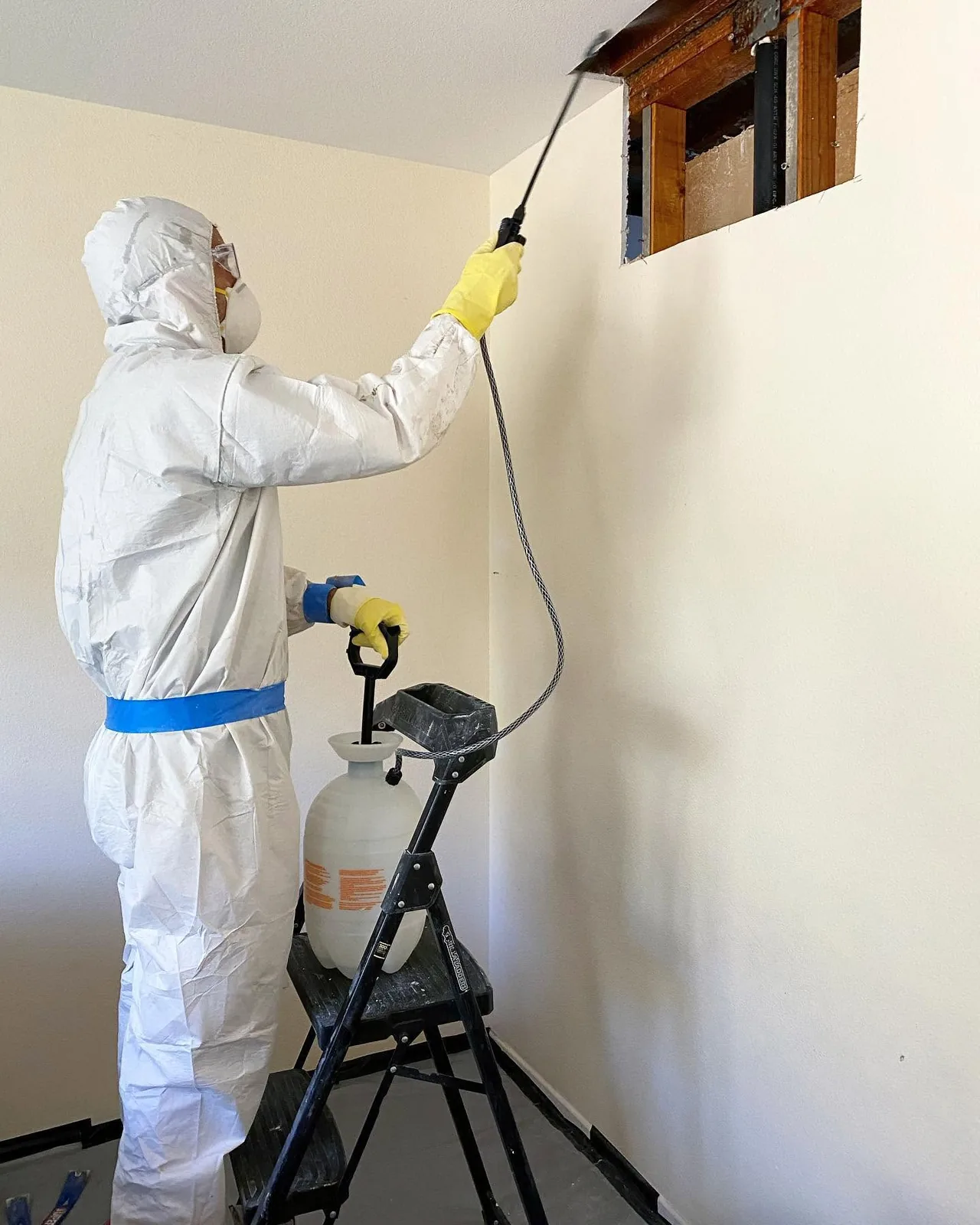
The restoration sequence can also change the final scope. Some jobs mainly require water extraction and structural drying. Others may include drywall removal, flooring work, cabinet-area cleanup, ceiling repair or restoration of other interior finishes after moisture has been addressed.
What Can Increase or Reduce the Restoration Scope?
A useful estimate should be based on the conditions at the property, not on one broad number pulled from a generic online price chart.
Amount of Water
A small localized release may require limited extraction, while larger volumes can affect multiple rooms, floors and connected building materials.
Where the Water Traveled
Water that moves beneath flooring, behind drywall, into cabinets or through ceilings can create a larger restoration area than what is immediately visible.
Materials Affected
Drywall, flooring, trim, cabinets, ceilings and wall cavities may require different drying, removal or repair steps depending on their condition.
Extraction Requirements
Standing water removal can be a separate stage from drying moisture that remains inside building materials.
Structural Drying
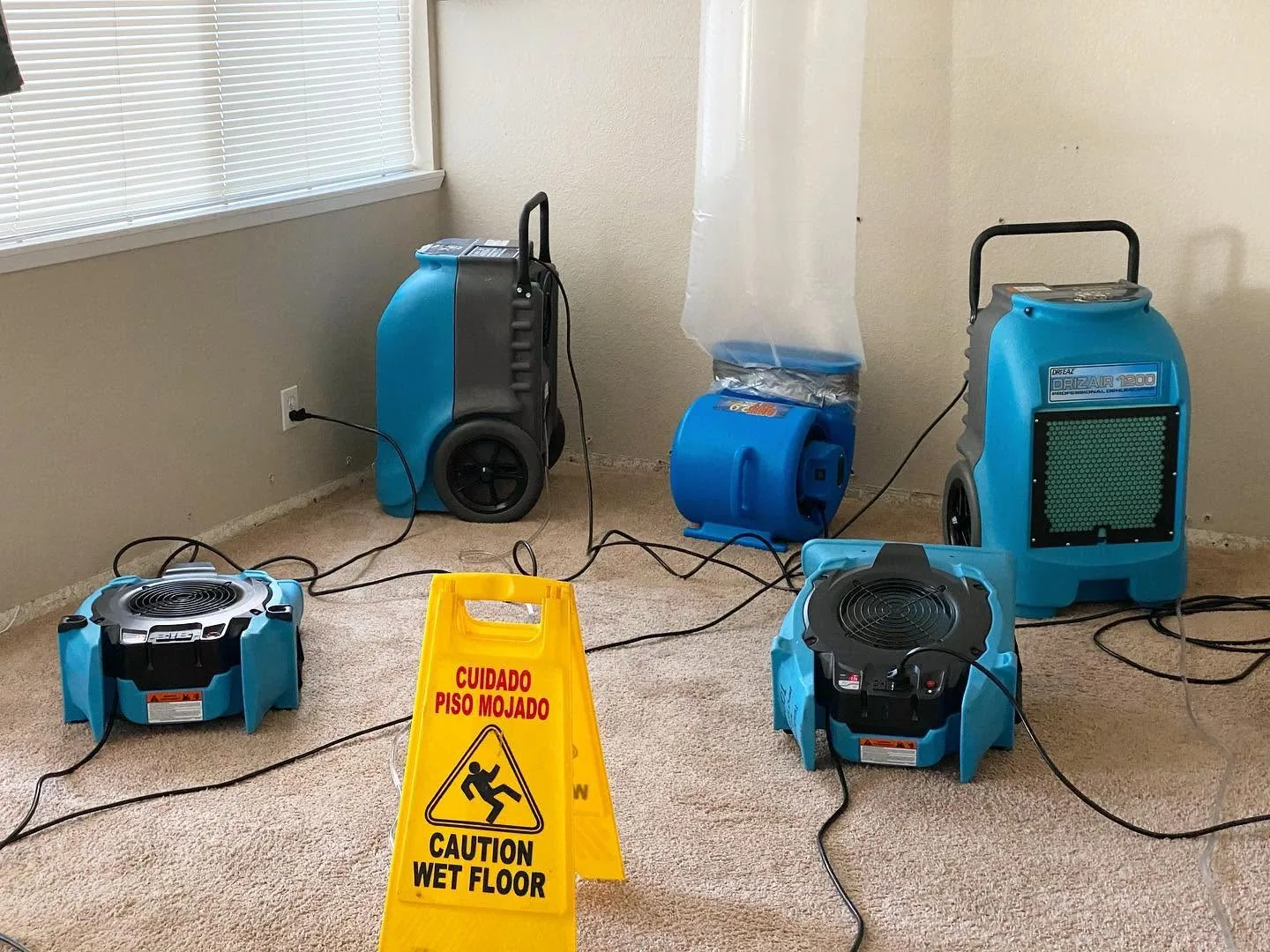
Air movement, dehumidification and moisture monitoring may be needed after visible water is removed.
Repair & Restoration
The scope may expand when damaged walls, ceilings, trim, flooring or other interior finishes need repair after drying is complete.
Extraction, Drying and Repair Are Different Cost Components
Understanding the difference between each stage helps make an estimate easier to review.
Inspection
Determine the water source, affected areas and which materials may need extraction, drying or repair.
Water Extraction
Remove accessible standing and excess water from affected areas.
Structural Drying
Address moisture remaining in walls, flooring, ceilings and other building materials.
Repair & Restoration
Restore appropriate interior materials after the moisture problem has been addressed.
The Visible Wet Area May Not Be the Full Restoration Area
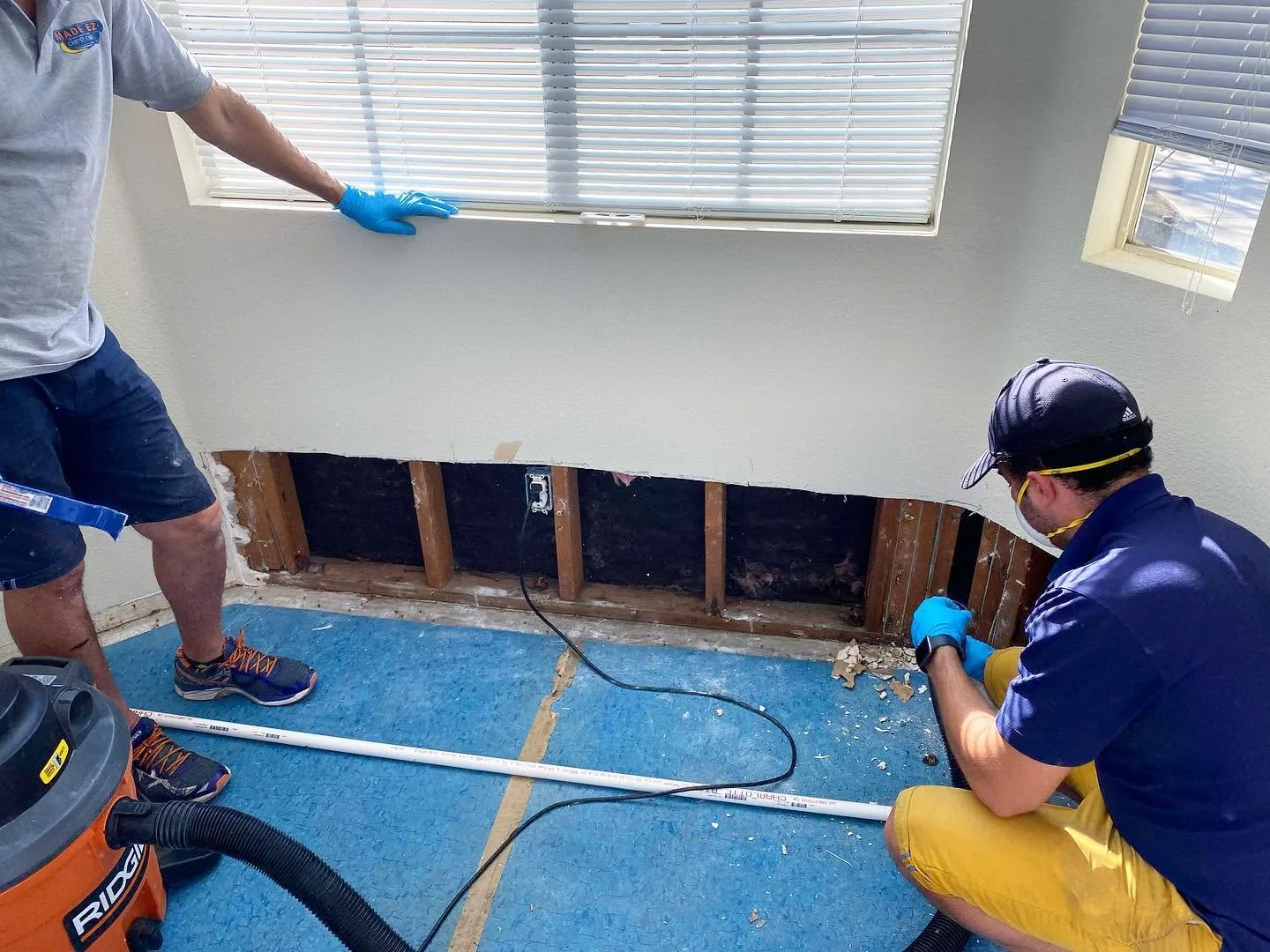
Water can move beneath flooring, behind baseboards, into drywall, around cabinets and through wall or ceiling cavities. This can change the amount of drying and repair required even when the visible surface damage appears limited.
The U.S. Environmental Protection Agency recommends drying water-damaged areas and items within 24 to 48 hours when possible to help reduce the potential for mold growth.
Because hidden moisture can affect the restoration scope, a written estimate should be based on what is actually found at the property.
Learn About Structural DryingResidential and Commercial Water Damage Can Have Different Scopes
Property size, room layout, interior finishes and the number of affected areas can all change how much work is required.
Homes & Apartments
Restoration may involve bedrooms, kitchens, bathrooms, utility spaces, garages and connected living areas.
Multi-Room Water Damage
A larger water release can spread through adjoining rooms and affect more flooring, drywall, ceilings and trim.
Commercial Properties
Offices and business interiors may involve larger floor areas, partitions, storage rooms and multiple operational zones.
Commercial Restoration →What Should a Water Damage Restoration Estimate Explain?
The estimate should make it easier to understand what work is being proposed and why that work is included.
Affected Areas
The scope should identify which rooms, surfaces or building materials are included.
Extraction & Drying
It should distinguish standing water removal from structural drying and moisture monitoring where those steps are needed.
Material Removal
If drywall, trim, flooring or other materials need removal, the reason and affected area should be clear.
Repair Scope
Repair and restoration work should be identified separately from water removal and drying when appropriate.
Property Conditions
The estimate should reflect the actual water source, moisture conditions and material damage observed at the property.
Changes to Scope
If additional hidden damage is discovered, ask how that changes the work before approving added restoration steps.
Questions to Ask Before Approving a Water Damage Restoration Scope
A clear scope helps separate necessary restoration work from vague assumptions. Before work begins, ask what areas are affected, which materials are wet, what needs extraction, what requires drying and whether repair is included or separate.
Learn More About Each Part of the Restoration Process
Water Damage Restoration
Complete restoration after leaks, flooding and indoor water damage.
Water Damage Restoration →Emergency Water Extraction
Standing water removal after leaks, overflows and indoor flooding.
Water Extraction →Structural Drying
Drying and moisture monitoring after accessible water is removed.
Structural Drying →Drywall Water Damage
Service for wet walls, ceilings and hidden moisture behind finishes.
Drywall Water Damage →Water Damage Repair
Interior repair after extraction and drying have addressed the moisture conditions.
Water Damage Repair →Water Damage Restoration Cost Questions
There is no single price that accurately applies to every water loss. The cost depends on the water source, affected area, materials involved, extraction and drying requirements, and any cleanup or repairs needed afterward.
It can. Larger water releases may affect more rooms and materials and may require additional extraction, drying and repair.
They are different stages. Extraction removes accessible standing water, while structural drying addresses moisture retained within building materials after extraction.
Yes. Water behind drywall, beneath flooring, around cabinets or in wall and ceiling cavities can increase the amount of drying, removal or repair required.
Not necessarily. Water extraction, structural drying and interior repair can be separate parts of the overall restoration scope. The estimate should make clear which stages are included.
Generic ranges cannot account for the actual water source, square footage, affected materials, hidden moisture, drying requirements or repairs at a specific property. A property-specific scope is more useful for understanding the work being proposed.
Get the Water Damage Evaluated Before Guessing at the Cost
Contact 24/7 Water Damage Restoration to discuss the water source, affected areas and restoration needs for your property.
Tell Us What Happened and Which Areas Are Affected
Include the property location, water source if known, areas affected and whether standing water, wet drywall, flooring, ceilings or other materials are involved.