Structural Drying in Los Angeles, CA
Structural drying helps reduce moisture remaining in walls, flooring, ceilings, cabinets and other building materials after standing water has been removed. We provide air movement, dehumidification and moisture monitoring for residential and commercial properties throughout Los Angeles and surrounding service areas.
Structural drying is the process of reducing moisture that remains inside water-affected building materials after standing and accessible excess water have been removed. Depending on conditions, air movement, dehumidification and moisture monitoring may be used for flooring, drywall, ceilings, cabinets, wall cavities and other affected materials.
Structural Drying Addresses Moisture Left Behind After Water Extraction
Removing standing water is an important first step, but it does not automatically mean every affected material has returned to a dry condition.
Moisture can remain inside drywall, flooring, baseboards, cabinets, ceilings and wall cavities after visible water has been extracted. Structural drying focuses on reducing that remaining moisture while drying progress is monitored so the restoration process can continue.
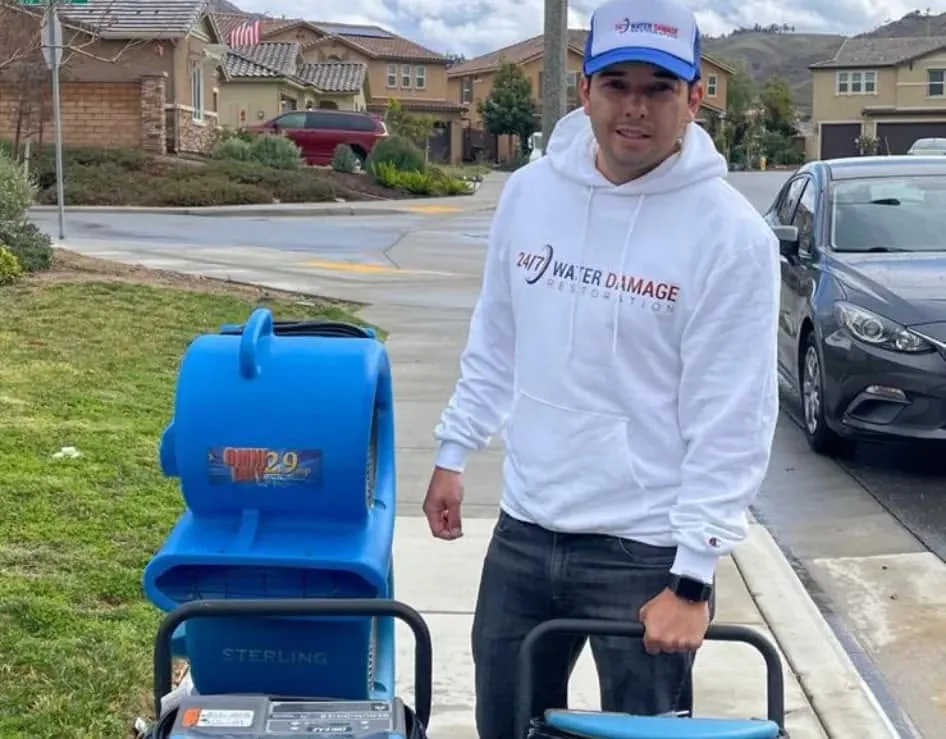
Building Materials That May Need Structural Drying
Water can move beyond visible surfaces and affect materials above, below or beside the original source of the leak or flood.
Drywall
Drywall can absorb moisture from floor-level water, plumbing leaks or water intrusion from nearby rooms.
Flooring
Carpet, padding, hard flooring and materials underneath finished floors may retain moisture after extraction.
Wall Cavities
Water can travel behind visible wall surfaces and into concealed areas that may require moisture evaluation.
Ceilings
Roof leaks and plumbing failures above a room may introduce moisture into ceiling materials.
Baseboards & Trim
Water spreading across flooring can reach baseboards and adjacent wall materials.
Cabinets & Framing
Cabinet bases, toe kicks and accessible framing can retain moisture depending on the source, duration and path of the water loss.
How the Structural Drying Process Works
Drying conditions vary by property and material. The process generally combines moisture evaluation, air movement, dehumidification and continued monitoring so decisions are based on actual drying conditions.
Inspect Moisture Conditions
Affected materials and surrounding areas are reviewed to identify where moisture may remain after water removal.
Set Air Movement & Dehumidification
Air movers and dehumidification equipment may be positioned based on the affected materials, size of the area and moisture conditions.
Reduce Moisture in Materials & Air
Air movement and dehumidification work together to reduce moisture in affected materials and the surrounding air.
Monitor Drying Progress
Moisture conditions may be checked as drying continues to evaluate affected materials and determine when additional drying or the next restoration steps are appropriate.
Materials Still Wet After Water Extraction?
If water has affected drywall, flooring, ceilings, cabinets or other building materials, contact 24/7 Water Damage Restoration to discuss structural drying, moisture monitoring and the next restoration steps for your Los Angeles-area property.
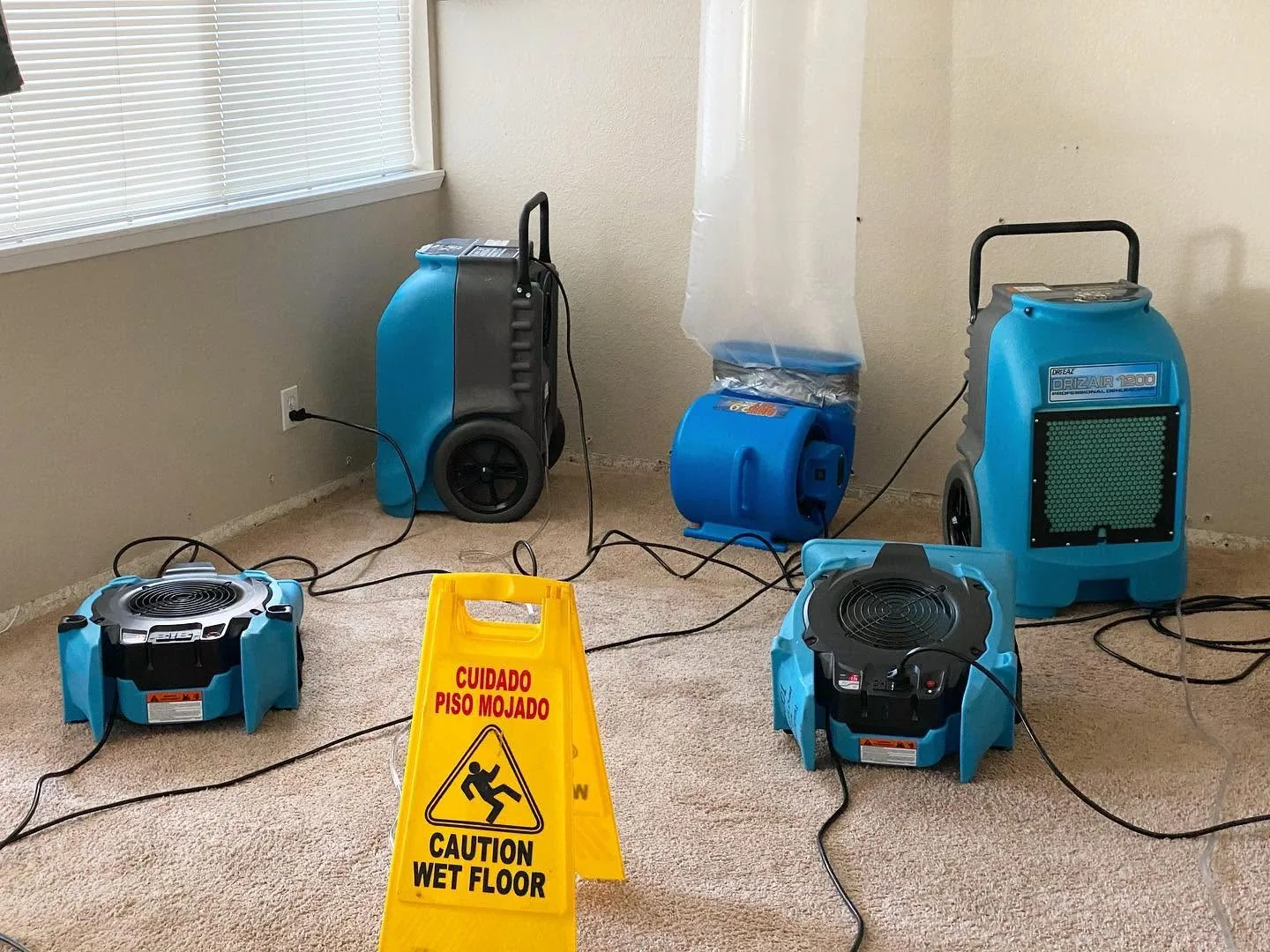
Air Movement and Dehumidification Work Together During Drying
Air movers help circulate air across wet or moisture-affected surfaces. Dehumidification equipment helps reduce moisture in the air as water leaves affected materials.
Equipment placement depends on the size of the affected area, the materials involved and the moisture conditions inside the property.
Structural drying is therefore more than simply placing fans inside a room. Equipment placement and drying progress depend on the materials affected and the moisture conditions present. The U.S. Environmental Protection Agency recommends drying water-damaged areas and items within 24 to 48 hours to help prevent mold growth.
Water Damage RestorationWhat Structural Drying Is Designed to Address
Structural drying focuses on moisture that remains after accessible standing water has been removed. The goal is not simply to make a room look dry, but to evaluate and reduce moisture within affected building materials so repair and restoration decisions can follow actual conditions.
Moisture Inside Porous Materials
Drywall, flooring, wood components and other porous materials may hold moisture below or behind the visible surface.
Moisture in Concealed or Connected Areas
Water can move beneath flooring, behind baseboards, into wall cavities or through adjoining materials beyond the location where the leak began.
Drying Progress Over Time
Moisture monitoring helps evaluate whether affected materials are responding to drying and what restoration steps may be needed next.
Why Dry-Looking Surfaces Can Still Contain Moisture
Visible surfaces do not always show the complete extent of moisture after a water damage event.
Moisture Behind Drywall
Water may enter wall cavities through plumbing leaks, floor-level flooding or water intrusion from adjoining spaces.
Moisture Under Flooring
Water can move beneath finished flooring and affect padding, underlayment or other materials below the visible surface.
Moisture Above Ceilings
Roof leaks or plumbing problems may affect ceiling cavities before signs become obvious inside the room.
Water Extraction Removes Bulk Water; Structural Drying Addresses What Remains
Water extraction is used to remove standing and accessible excess water. Structural drying is the next phase when moisture remains inside affected building materials.
Both services can be important after a significant leak, overflow or flood. Extraction reduces the amount of water present, while drying addresses moisture that remains after visible water has been removed.
Emergency Water Extraction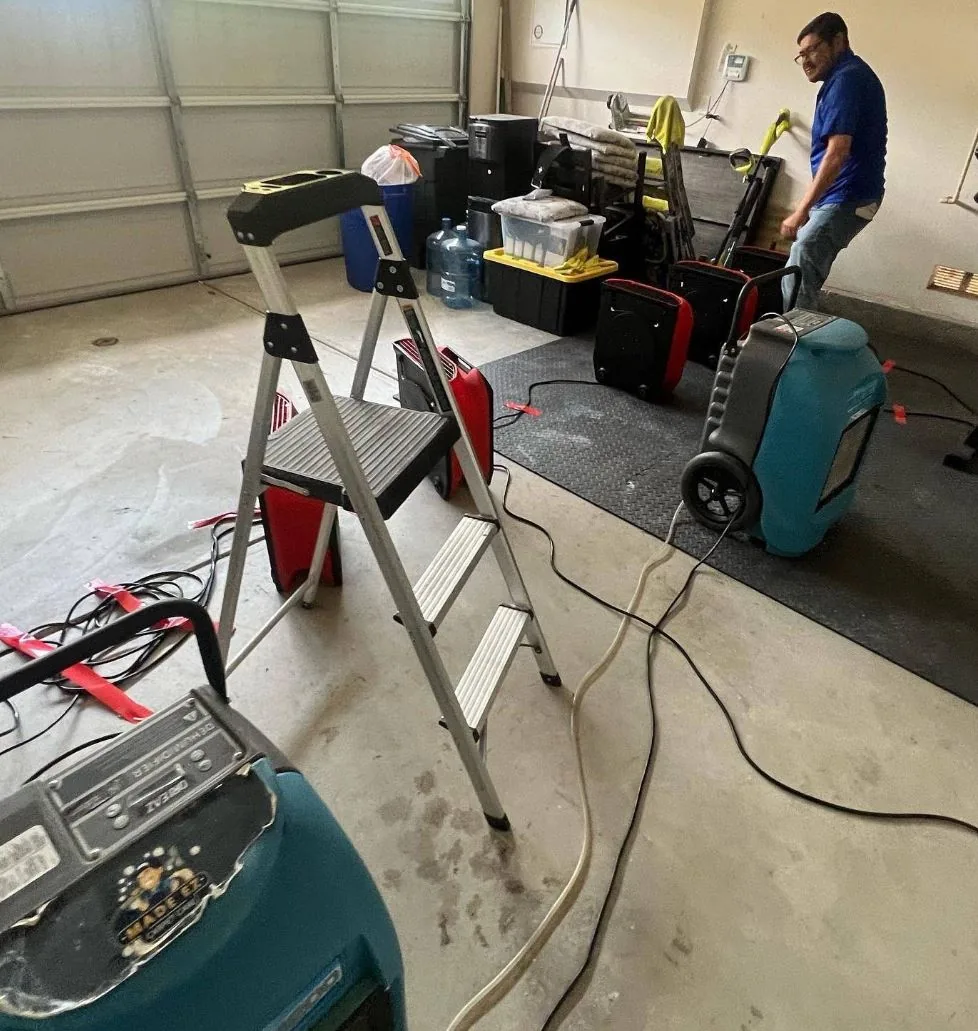
Related Services Before and After Structural Drying
Structural drying is one stage of the broader restoration process. Explore related services for water removal, cleanup and repair.
Water Damage Restoration
Complete water damage cleanup, drying and restoration for affected properties.
Water Damage Restoration →Emergency Water Extraction
Standing and excess water removal before structural drying begins.
Water Extraction →Drywall Water Damage
Water damage service for drywall, wall cavities and interior materials.
Drywall Water Damage →Commercial Water Damage
Extraction, drying and restoration for offices and commercial properties.
Commercial Restoration →Water Damage Repair
Interior repair for appropriate walls, ceilings, trim and other materials after moisture conditions have been addressed.
Water Damage Repair →Structural Drying FAQs
Structural drying is the process of reducing moisture inside water-affected building materials after standing and excess water have been removed.
Water extraction removes standing and accessible water, but moisture may remain in drywall, flooring, ceilings and other porous materials. Structural drying addresses that remaining moisture.
Structural drying may use air movers and dehumidification equipment along with moisture monitoring based on the conditions inside the affected property.
Yes. Moisture can remain inside drywall and wall cavities even when visible surfaces begin to appear dry.
The U.S. Environmental Protection Agency recommends drying water-damaged areas and items within 24 to 48 hours to help prevent mold growth. The time needed to dry a specific property depends on the materials affected and the moisture conditions present.
Yes. Structural drying and related water damage restoration services are available for both residential and commercial properties in Los Angeles.
Yes. 24/7 Water Damage Restoration provides structural drying, water extraction and restoration services throughout Los Angeles and surrounding communities.
Need Structural Drying in Los Angeles?
Tell us what happened, whether standing water has already been removed, and which rooms or materials are affected. Contact 24/7 Water Damage Restoration for structural drying, dehumidification, moisture monitoring and related restoration services.