Drywall Water Damage Repair in Los Angeles, CA
Water-damaged drywall can develop after plumbing leaks, flooded rooms, appliance failures, overflowing fixtures and ceiling leaks. We provide moisture inspection, structural drying and drywall water damage restoration for walls and ceilings in residential and commercial properties throughout Los Angeles and surrounding service areas.
It depends on the amount of water, how long the material remained wet, whether the drywall still has structural integrity and whether moisture remains behind the visible surface. Some affected areas may be candidates for drying, while significantly damaged drywall may require removal and replacement as part of the restoration process.
Wet Drywall Can Indicate Moisture Inside Walls, Ceilings and Adjoining Materials
Drywall is porous and can absorb moisture when water spreads from a plumbing leak, flooded room, overflowing fixture or ceiling leak. The visible stain or soft area may not show the full extent of the moisture.
Water may also move behind drywall into wall cavities, insulation, baseboards, framing and nearby materials. For that reason, drywall water damage restoration begins with evaluating the visible damage, checking surrounding materials and determining where moisture remains.
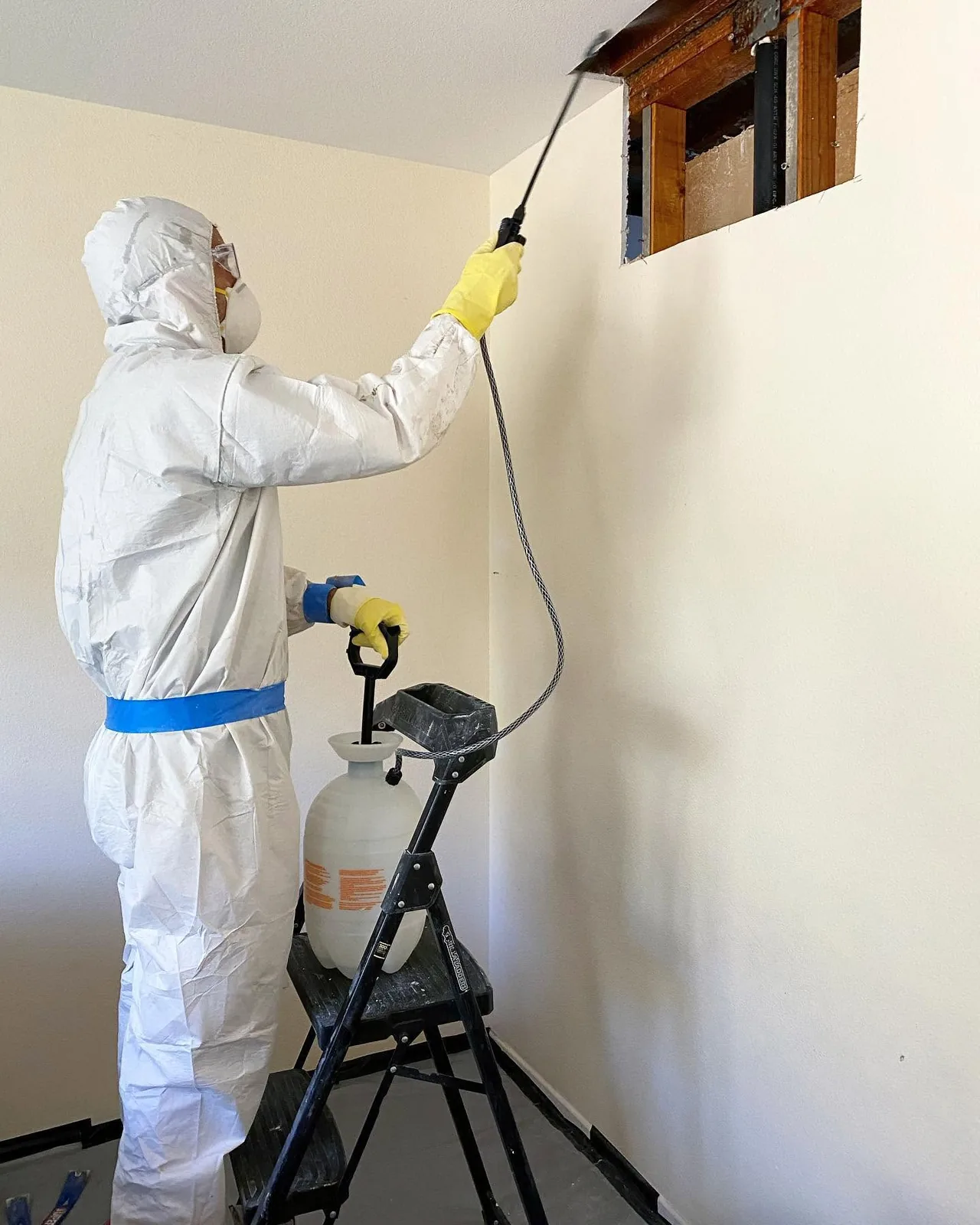
Common Signs of Water-Damaged Drywall and Ceilings
Water-damaged walls and ceilings can show different signs depending on the source, amount of water and how long the material has been exposed to moisture.
Water Stains
Brown, yellow or darker areas on walls and ceilings can appear when moisture moves through drywall.
Soft or Swollen Drywall
Drywall may become soft, swollen or lose its normal rigidity after absorbing significant moisture.
Peeling Paint
Moisture behind a finished wall surface may contribute to bubbling, peeling or separating paint.
Sagging Ceiling Areas
Ceiling drywall exposed to water from above may sag or visibly change shape.
Damaged Baseboards
Water spreading across the floor can affect baseboards and the bottom portion of adjoining drywall.
Hidden Wall Moisture
Some moisture remains behind the finished surface and may not be obvious from appearance alone.
Common Areas Where Water Reaches Walls and Ceilings
Drywall water damage often begins near plumbing fixtures, appliances or a water source above the room. The visible stain or soft area may be only one part of the affected wall or ceiling assembly.
Bathrooms
Tub, shower, sink and toilet overflows or plumbing leaks can affect lower wall sections, baseboards, ceilings below and adjoining rooms.
Kitchens & Laundry Areas
Supply-line, dishwasher, refrigerator, washing machine and other appliance leaks can reach cabinet walls, baseboards and nearby drywall.
Ceilings & Upper-Level Leaks
Plumbing or water intrusion from above may affect ceiling drywall before moisture moves into adjoining walls or lower areas.
How Drywall Water Damage Restoration Works
The restoration approach depends on the water source, the amount of moisture present, whether water has reached concealed areas and the condition of the affected drywall and surrounding materials.
Inspect Walls, Ceilings & Nearby Materials
Walls, ceilings, baseboards and adjoining materials are reviewed to identify visible damage and areas where moisture may remain.
Address the Water Source
Restoration should begin after the source of continued water intrusion has been stopped or controlled.
Dry or Remove Affected Materials
Some materials may be dried when their condition allows, while drywall that cannot remain in place may need to be removed so concealed moisture can be addressed.
Repair & Restore
Once moisture conditions are addressed, damaged drywall and related interior materials can move into the repair phase.
Wet, Stained or Soft Drywall in Your Los Angeles Property?
Contact 24/7 Water Damage Restoration for moisture inspection, structural drying and restoration after leaks, flooding or water intrusion affecting drywall, ceilings and interior wall assemblies.
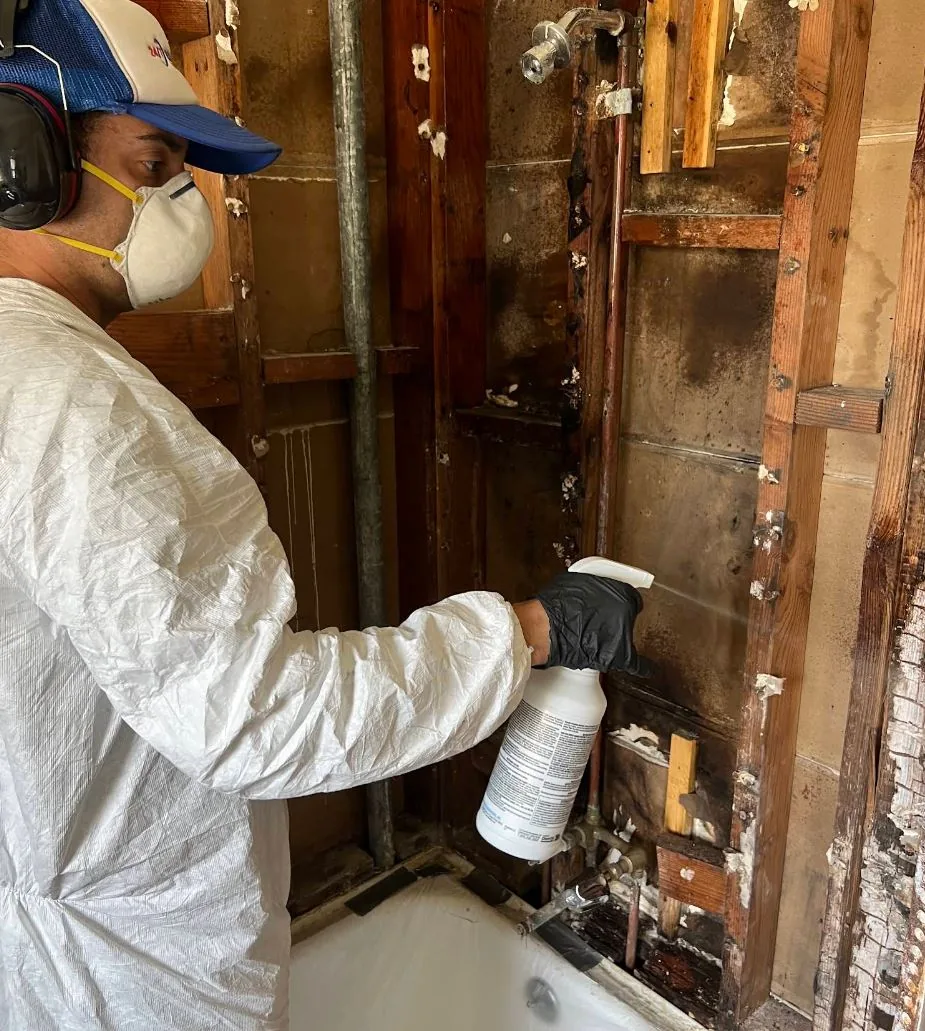
Visible Drywall Damage May Extend Into the Wall Cavity
A wet wall surface can indicate moisture inside the wall assembly. Water from plumbing lines, flooded floors and adjoining rooms may enter wall cavities and affect materials that cannot be seen from the finished side of the wall.
This is especially important when water enters around baseboards, plumbing penetrations or the lower portion of a wall.
Evaluating the surrounding area helps determine whether the problem is limited to the visible drywall or extends farther into the structure.
Learn About Structural DryingWhen Can Wet Drywall Be Dried, and When Might It Need Removal?
Not every water-damaged wall requires the same restoration approach. The decision depends on the condition of the drywall, how much moisture is present, whether the material can be dried effectively and what is happening behind the finished surface.
When Drying May Be Part of the Solution
Some affected materials may be candidates for structural drying when moisture conditions and material condition allow them to remain in place.
Air movement, dehumidification and moisture monitoring can be part of the drying process. The U.S. Environmental Protection Agency recommends drying water-damaged areas and items within 24 to 48 hours to help prevent mold growth.
When Damaged Material May Need Removal
Drywall that has lost structural integrity, cannot be effectively restored or needs to be opened to address moisture behind the wall may require removal.
The affected area can then proceed through drying and repair based on the conditions found.
Ceiling Water Damage Should Be Traced Back to the Source
Ceiling stains or wet drywall may result from roof intrusion, plumbing from an upper level or another water source above the affected room.
Because gravity can move water away from the original source, the visible ceiling damage may not be directly below the point where the water entered.
The restoration process should address the source, evaluate the surrounding moisture and determine what ceiling materials require drying or repair.
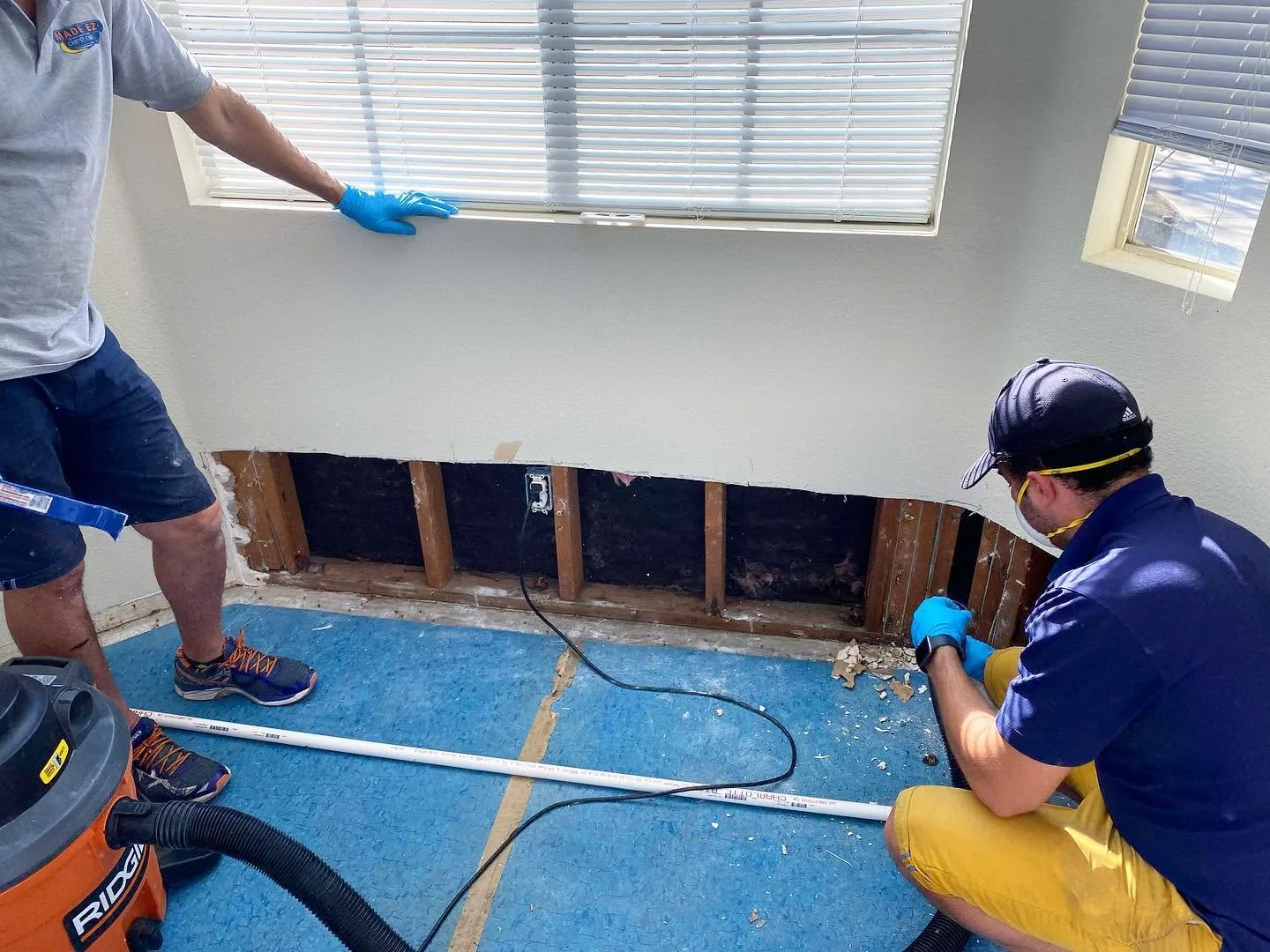
Common Sources of Drywall and Ceiling Water Damage
Wet walls and ceilings can develop from both sudden water events and leaks that spread into nearby interior materials.
Plumbing Leaks
Leaking pipes inside or near walls can introduce moisture directly into drywall and wall cavities.
Burst Pipes
A sudden pipe failure can release enough water to affect multiple walls, rooms and floors.
Flooded Rooms
Standing water can wick upward into drywall and baseboards around the perimeter of an affected room.
Appliance Leaks
Washing machines, water heaters and other appliances can release water into nearby walls and flooring.
Ceiling Leaks
Water entering from above can affect ceiling drywall and then move into nearby walls.
Overflowing Fixtures
Sinks, tubs and toilets can release water that reaches baseboards, drywall and adjoining rooms.
Drywall Water Damage Repair for Homes, Apartments and Businesses
Wall and ceiling water damage can affect houses, apartments, offices and commercial interiors. The restoration scope depends on the water source, affected materials and whether moisture has reached connected or concealed areas.
Residential Walls
Water damage restoration for drywall affected by leaks, overflows, flooding and other indoor water events.
Commercial Interiors
Inspection, drying and restoration for water-damaged walls, partitions and interior areas in commercial properties.
Multiple Affected Rooms
When water travels through adjoining spaces, several walls and sections of drywall may require evaluation.
Related Services for Wet Drywall, Walls and Ceilings
Drywall damage is often part of a larger water restoration project involving extraction, drying and cleanup.
Water Damage Restoration
Complete cleanup, drying and restoration for water-damaged residential and commercial properties.
Water Damage Restoration →Emergency Water Extraction
Remove standing and excess water before drying affected walls and interior materials.
Water Extraction →Structural Drying
Air movement, dehumidification and moisture monitoring after water intrusion.
Structural Drying →Flood Cleanup
Cleanup and drying for flooded rooms where water has reached walls and flooring.
Flood Cleanup →Commercial Water Damage
Water damage cleanup and restoration for offices and commercial interior spaces.
Commercial Restoration →Water Damage Repair
Repair and restoration for appropriate drywall, ceilings, trim and other interior materials after moisture conditions are addressed.
Water Damage Repair →Drywall Water Damage FAQs
Sometimes. Whether drywall can remain in place depends on the amount of moisture, the condition of the material and what is happening behind the wall. Significantly damaged materials may require removal.
The affected wall and surrounding areas can be evaluated for signs of moisture. Water may remain inside wall cavities even when the visible surface does not appear heavily damaged.
Yes. Plumbing lines often run inside wall cavities, so leaks can directly affect drywall, nearby framing and other interior materials.
Yes. The finished surface may begin to look dry while moisture remains inside the drywall, wall cavity, insulation or nearby materials. The surrounding area may need moisture evaluation before repair work is completed.
The water source should be addressed and moisture conditions in the affected area should be evaluated. Wet materials may require drying or removal before repairs are completed.
Water damage restoration can include affected ceiling drywall, depending on the source of the water and the condition of the materials involved.
Yes. Water damage cleanup, drying and restoration services are available for both residential and commercial properties throughout Los Angeles.
Need Drywall Water Damage Repair in Los Angeles?
Tell us what happened, where the water started and whether the damage is on a wall, ceiling or adjoining area. Contact 24/7 Water Damage Restoration for moisture inspection, structural drying, water damage cleanup and drywall restoration.