Water Damage Repair in Los Angeles, CA
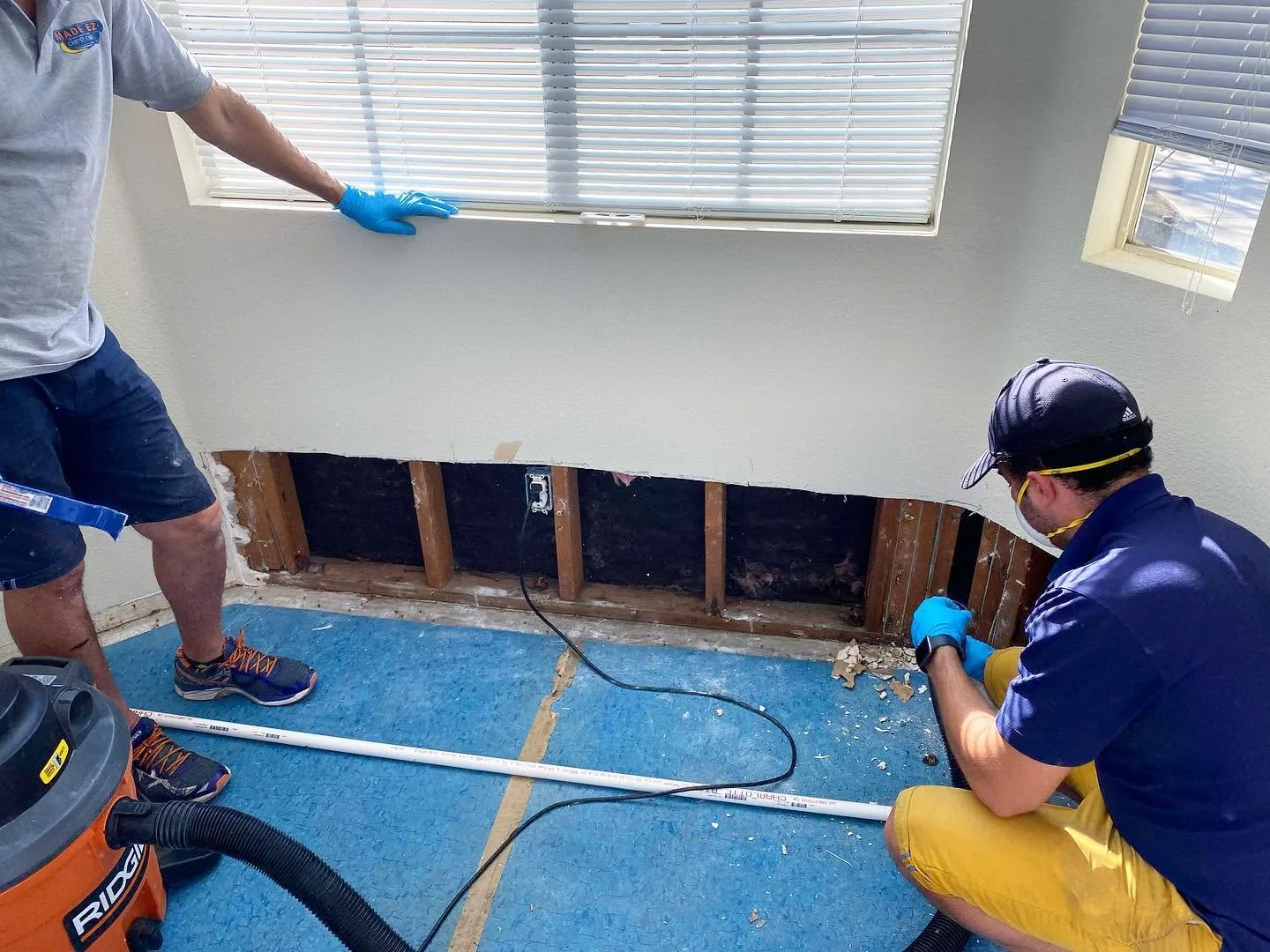
After standing water is removed and affected areas are dried, damaged drywall, walls, ceilings, baseboards, trim, flooring areas and other interior materials may still require repair. We provide water damage repair and interior property restoration for homes, apartments and businesses throughout Los Angeles and surrounding service areas.
Water damage repair focuses on restoring interior materials that remain damaged after a leak, overflow, flood or other indoor water event. Repair generally follows water extraction and structural drying, after moisture conditions have been evaluated and the condition of affected materials is known.
Water Damage Repair Begins After the Moisture Problem Is Addressed
Removing water and reducing moisture are critical steps after a leak or flood, but damaged interior materials may still need to be repaired or restored before the affected area is fully usable again.
Water can stain, swell, weaken or damage drywall, ceilings, baseboards, trim, flooring areas and other interior finishes. The repair scope depends on what was affected, whether hidden moisture remains and the condition of the materials after drying.
Interior Materials That May Need Repair After Water Damage
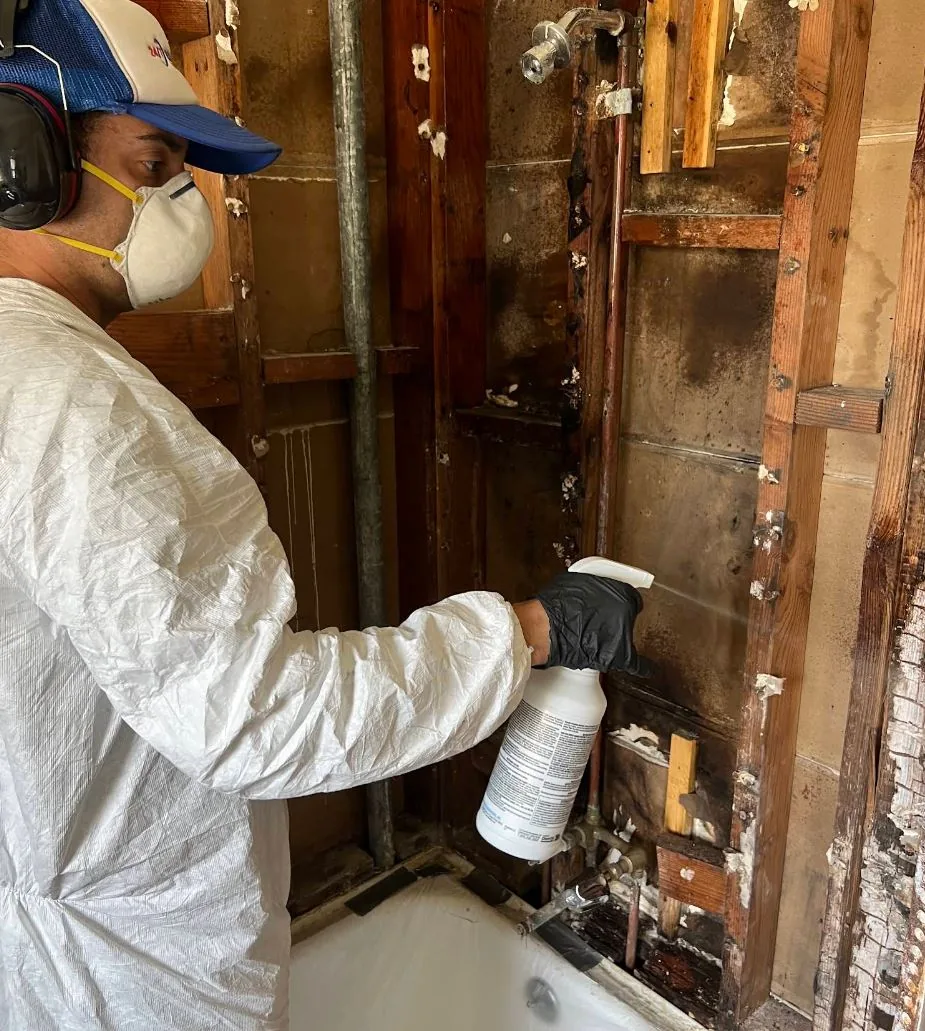
Water can affect both visible surfaces and nearby materials depending on where the water entered and how far it traveled.
Drywall Repair
Water-damaged drywall may need to be repaired or replaced after moisture conditions have been addressed.
Wall Repair
Interior walls may require restoration when water affects finished surfaces or materials behind the drywall.
Ceiling Repair
Leaks from plumbing or water intrusion above a room may damage ceiling drywall and surrounding finishes.
Baseboards & Trim
Water moving across floors can affect lower wall materials, baseboards and trim around an affected room.
Flooring Areas
Water may affect flooring and materials beneath finished surfaces depending on the amount and duration of exposure.
Cabinets & Interior Finishes
Cabinet bases, toe kicks and nearby finishes may require repair when leaks or flooding affect kitchens, bathrooms or utility areas.
How the Water Damage Repair Process Fits Into Restoration
Repair should follow the water removal, moisture evaluation and drying work needed to address conditions within the affected area.
Assess Damaged Materials
Review affected walls, ceilings, flooring areas, trim and other interior materials to determine the repair scope.
Complete Water Removal
Standing or accessible excess water should be addressed before the property moves into drying and repair.
Dry and Monitor Affected Areas
Remaining moisture in walls, floors and other materials may require structural drying, dehumidification and moisture monitoring before repairs are completed.
Repair & Restore
Damaged interior materials can then be repaired or replaced based on their condition and the needs of the property.
Need Interior Repairs After Water Damage in Los Angeles?
Contact 24/7 Water Damage Restoration for water removal, structural drying and interior property repair when leaks, overflows or flooding damage walls, ceilings, trim, flooring areas or other interior materials.
Water Removal, Structural Drying and Repair Serve Different Purposes
Extraction, drying and repair serve different purposes during a water damage restoration project.
Water Extraction & Drying
Water extraction removes standing or excess water, while structural drying targets moisture that remains inside affected building materials.
These steps address the water and moisture conditions before damaged interior finishes are restored.
Water Damage Repair
Repair focuses on restoring materials that remain damaged after the water event, including drywall, interior walls, ceilings, trim and other affected finishes.
The repair scope depends on the condition of each affected area after cleanup and drying.
Surface Repair Should Not Begin While Moisture Still Needs Attention
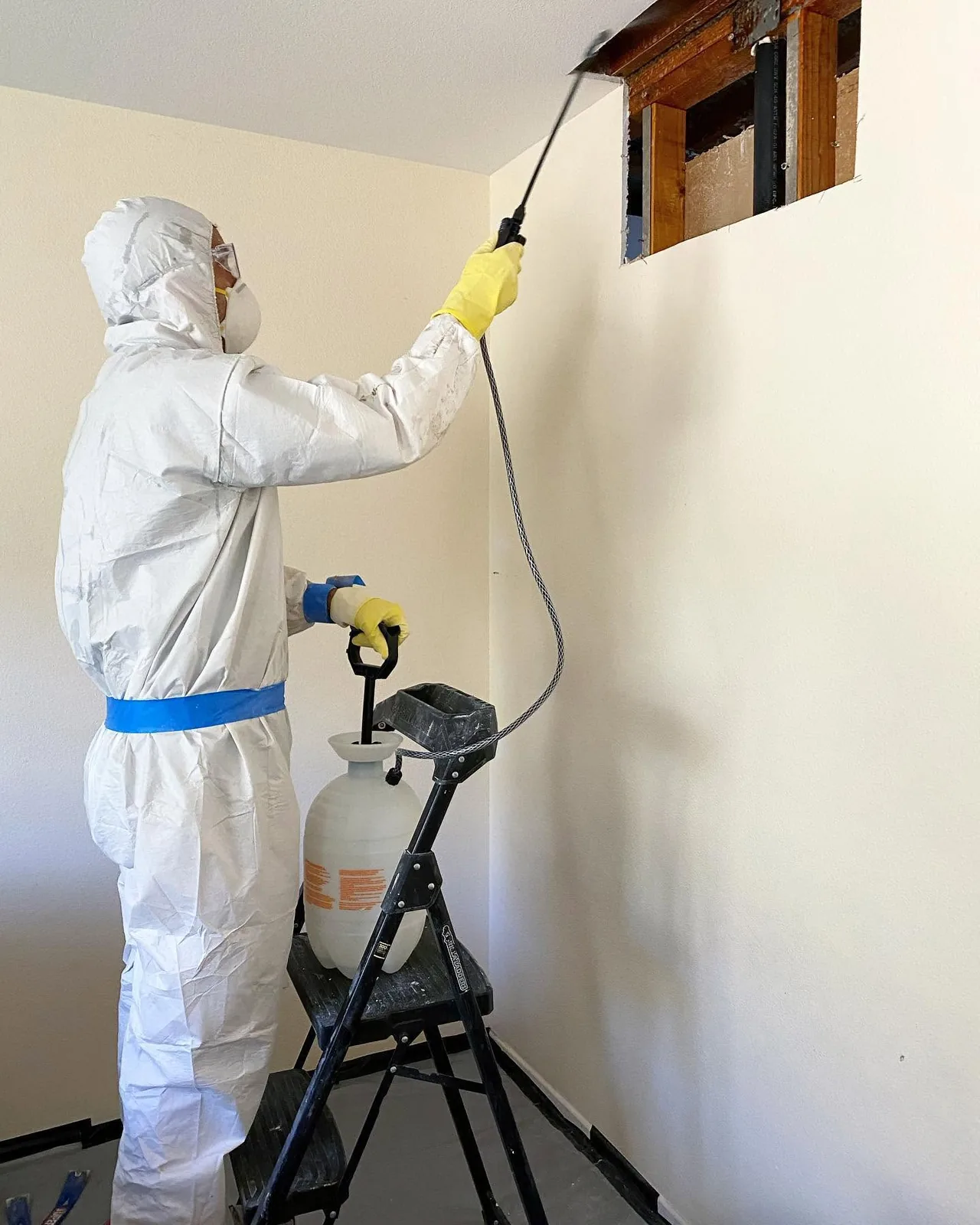
Water can remain behind drywall, beneath flooring or inside other concealed areas even after visible standing water is gone.
Before water-damaged interior materials are repaired, the affected area should be evaluated to determine whether additional drying is needed.
This helps separate cosmetic surface damage from areas where moisture conditions still need attention. The U.S. Environmental Protection Agency recommends drying water-damaged areas and items within 24 to 48 hours to help prevent mold growth.
Learn About Structural DryingWhat Should Be Addressed Before Water Damage Repair Begins?
Interior repair should follow the water-removal and drying work needed for the affected area. The source of continued water intrusion should be controlled, accessible standing water should be removed and moisture conditions should be evaluated before damaged finishes are closed or repaired.
Water Source Controlled
Ongoing leaks or other active water sources should be addressed so repaired materials are not immediately exposed to the same problem.
Standing Water Removed
Accessible standing and excess water should be extracted before the affected area moves through drying and repair.
Moisture Conditions Evaluated
Walls, flooring areas and concealed spaces may still contain moisture after visible water is gone, so additional drying may be needed before repair.
Common Water Events That Can Lead to Interior Repairs
Property repairs may be needed after sudden water events or leaks that spread into walls, ceilings, floors and adjoining areas.
Burst Pipes
Pipe failures can release water into multiple rooms, walls and interior finishes.
Plumbing Leaks
Plumbing leaks inside walls or ceilings may damage drywall and surrounding materials.
Flooded Rooms
Water spreading across a room can affect flooring, baseboards and the lower sections of walls.
Appliance Leaks
Washing machines, water heaters and other water-using appliances can damage nearby interior surfaces.
Ceiling Leaks
Water entering from above can damage ceiling drywall and move into nearby walls.
Overflowing Fixtures
Sinks, tubs and toilets can release water that reaches walls, floors and adjoining rooms.
Water Damage Repair for Homes, Apartments and Commercial Properties
Interior water damage can affect homes, apartments, offices and commercial properties. Repair needs depend on the materials affected, the extent of the water loss and conditions after drying.
Residential Repairs
Interior repair after leaks, flooding or water intrusion affecting walls, ceilings and other home materials.
Commercial Repairs
Property restoration for damaged walls, partitions and interior areas inside offices and commercial spaces.
Multiple Affected Areas
Larger water events may require repair across more than one wall, room or section of the property.
Related Services Before Water Damage Repair Is Completed
Water damage repair is often one phase of a larger restoration process involving extraction, cleanup and drying.
Water Damage Restoration
Complete cleanup, drying and restoration for water-damaged properties.
Water Damage Restoration →Emergency Water Extraction
Standing and excess water removal before drying and repair begin.
Water Extraction →Structural Drying
Drying and moisture management for water-damaged building materials.
Structural Drying →Drywall Water Damage
Specialized restoration for water-damaged walls, ceilings and wall cavities.
Drywall Water Damage →Commercial Water Damage
Water extraction, drying and restoration for offices and business properties.
Commercial Restoration →Water Damage Repair FAQs
Water damage repair focuses on restoring interior materials damaged by water. Depending on the property, this may involve drywall, walls, ceilings, baseboards, trim and other affected interior finishes.
Yes. Water removal and drying should address moisture conditions before damaged interior areas are closed or repaired.
Repair should generally begin after the active water source is controlled, standing or excess water has been removed and moisture conditions in affected materials have been evaluated. Additional structural drying may be needed before damaged areas are closed or repaired.
Many water-damaged wall areas can be restored, but the exact repair depends on the condition of the drywall and any moisture present behind the wall.
Ceiling water damage may be repaired after the water source has been addressed and the affected area has been evaluated and dried. The repair scope depends on the condition of the ceiling materials.
No. Water extraction removes standing or excess water. Water damage repair focuses on restoring materials that remain damaged after extraction and structural drying.
Yes. Water damage repair and restoration services are available for both residential and commercial properties throughout Los Angeles.
Yes. 24/7 Water Damage Restoration provides water damage cleanup, drying and property restoration throughout Los Angeles and surrounding communities.
Need Water Damage Repair in Los Angeles?
Tell us what happened, which rooms or materials were affected and whether water removal or drying has already started. Contact 24/7 Water Damage Restoration for water cleanup, structural drying and interior property repair.