Emergency Water Extraction in Los Angeles, CA
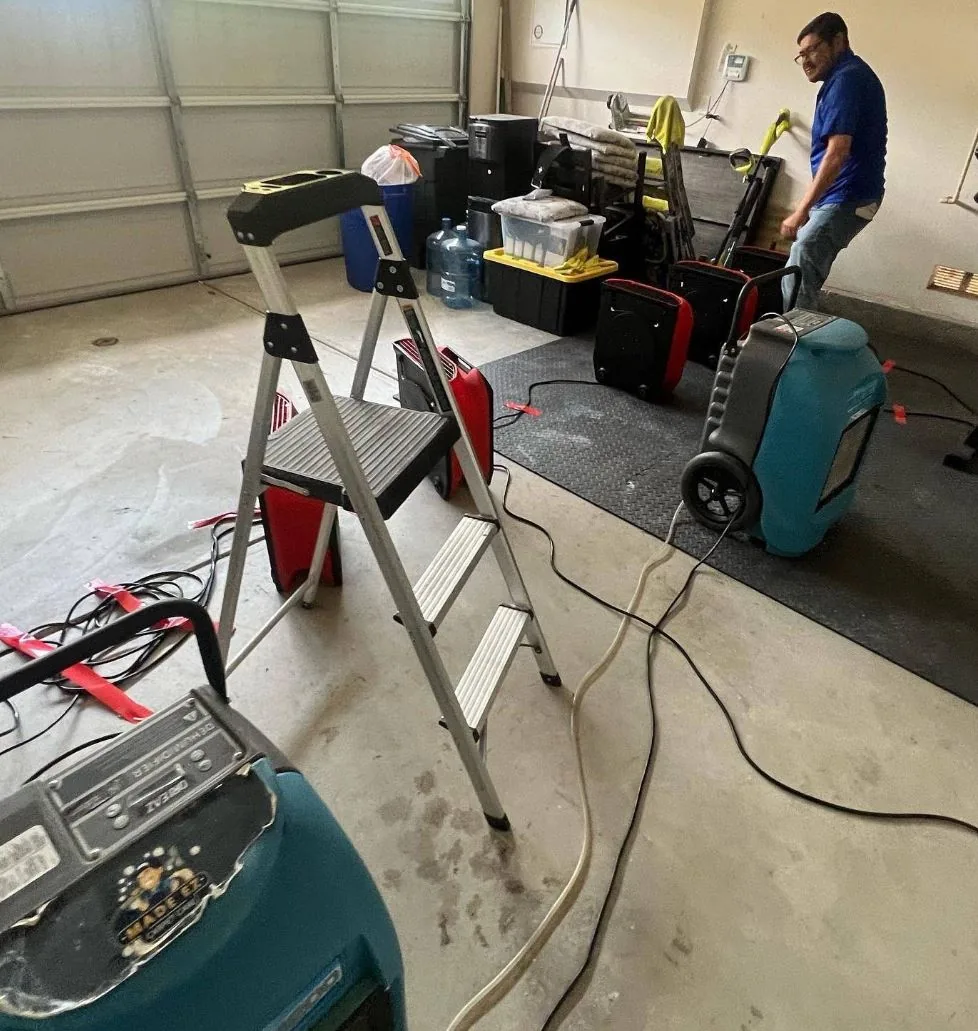
When standing water, plumbing leaks, appliance failures or indoor flooding affect your property, water extraction removes accessible excess water so moisture evaluation and structural drying can begin. We provide emergency water extraction and water removal for homes, apartments and commercial properties throughout Los Angeles and surrounding service areas.
Water extraction is the removal of standing and accessible excess water after a leak, overflow, plumbing failure or indoor flood. It is an early step in the restoration process: extraction removes the bulk water, while moisture inspection, structural drying and restoration address water that remains inside affected materials.
Fast Water Removal Is the First Step Toward Drying the Property
Water can move quickly across flooring and into baseboards, drywall, cabinets, wall cavities and adjoining rooms. Even when the original source has been stopped, excess water may continue affecting building materials.
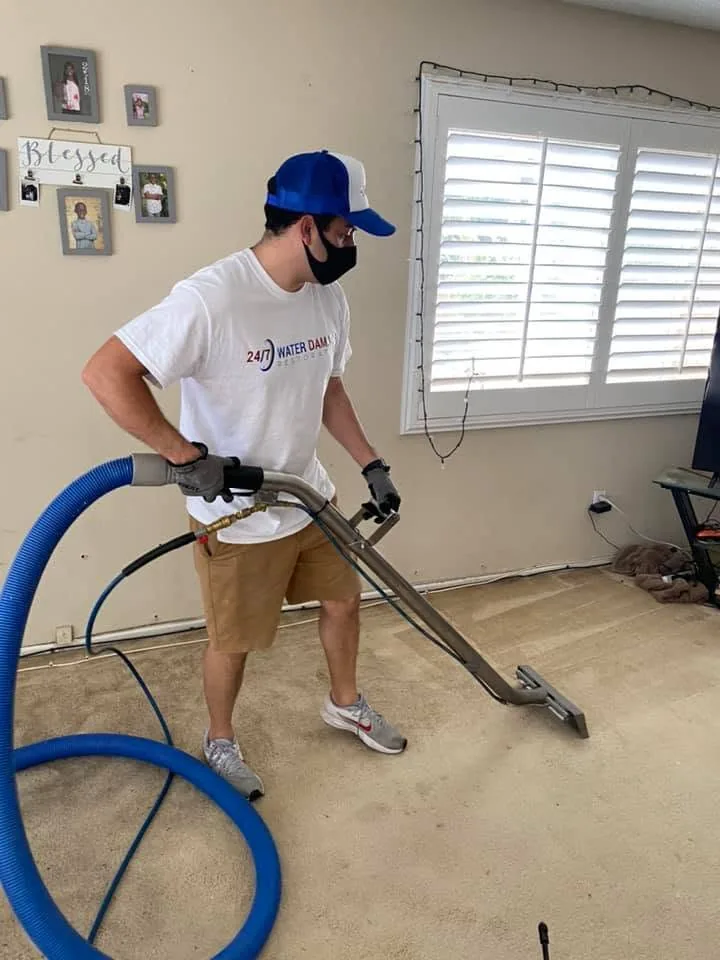
Our emergency water extraction service focuses on removing standing and accessible water from affected rooms, flooring and other reachable surfaces. After extraction, remaining moisture can be evaluated so structural drying and restoration can continue where needed.
Situations That May Require Emergency Water Extraction
Water removal may be needed whenever a leak, overflow or flood leaves standing water or wet building materials inside a property.
Burst Pipes
A burst or failed pipe can release a significant amount of water into rooms, walls and flooring before the source is shut off.
Plumbing Leaks
Supply lines, fixtures and plumbing connections can leak into floors, cabinets and wall cavities.
Appliance Water Leaks
Washing machines, dishwashers, refrigerators and water heaters can release water across flooring and nearby rooms.
Overflowing Fixtures
Sinks, bathtubs and other fixtures can quickly overflow and spread water beyond the immediate area.
Flooded Rooms
Standing water in bedrooms, living areas, offices or other rooms may require extraction before drying begins.
Commercial Water Damage
Businesses and commercial buildings may require water extraction across larger areas or multiple affected rooms.
How Emergency Water Extraction Works
The exact process depends on the water source, the amount of standing water and the materials affected. Emergency water removal generally moves through inspection, extraction, moisture evaluation and drying.
Inspect the Water Loss
The source, visible water and adjoining materials are reviewed to understand where water may have traveled.
Remove Standing Water
Standing and accessible excess water are removed from affected rooms, flooring and other reachable surfaces.
Evaluate Remaining Moisture
Flooring, drywall, baseboards, cabinets and other materials may still retain moisture after visible water has been extracted.
Begin Structural Drying
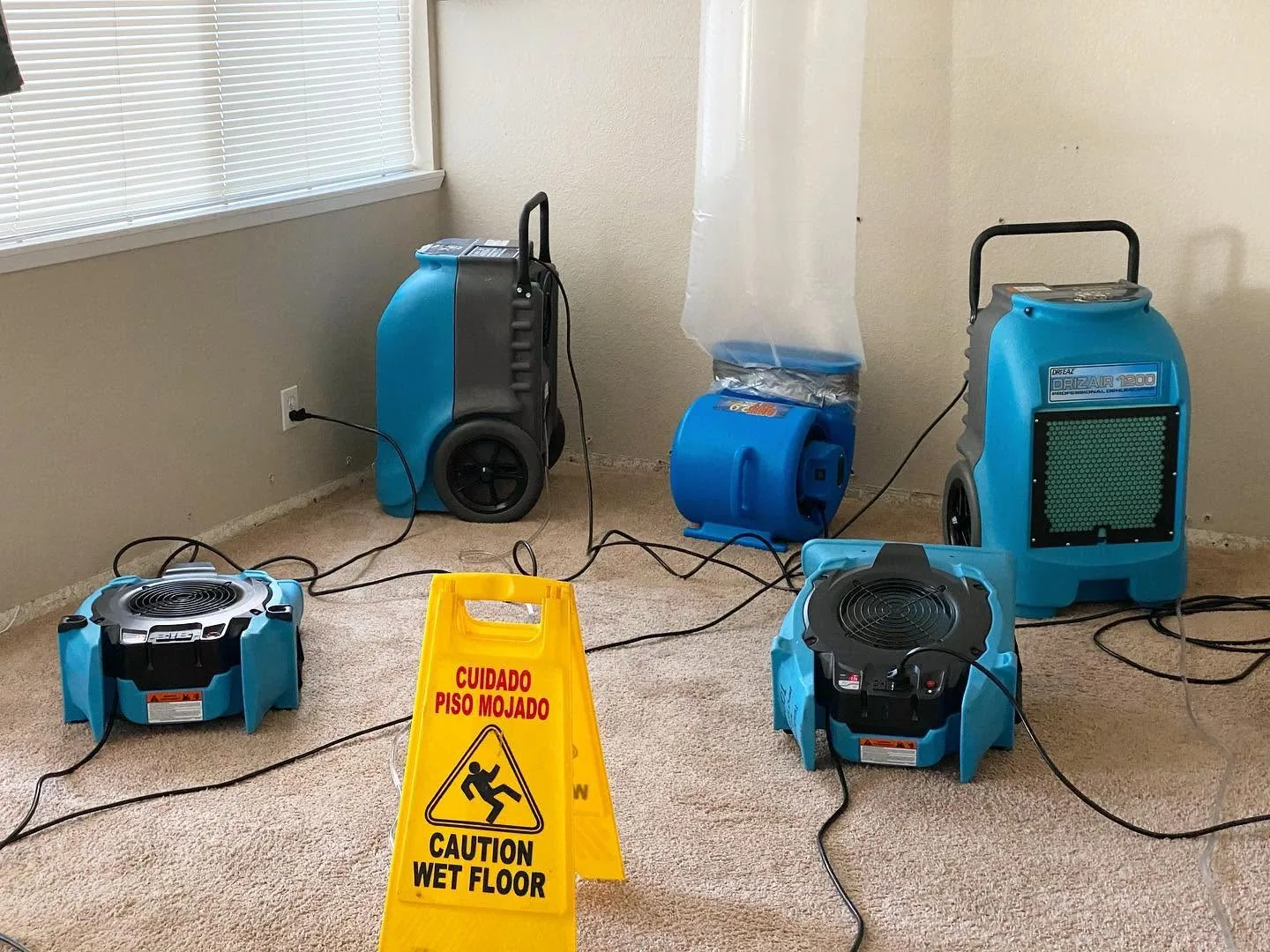
Drying equipment and moisture monitoring may be used to address remaining moisture in affected materials.
Standing Water From a Leak, Overflow or Indoor Flood?
Contact 24/7 Water Damage Restoration to discuss emergency water extraction, water removal, moisture evaluation and the drying steps needed for your Los Angeles-area property.
Water Extraction Removes Standing Water; Structural Drying Addresses What Remains
Extraction removes standing and excess water. Structural drying addresses moisture that may remain inside flooring, drywall, framing and other porous materials.
A room can appear dry on the surface while moisture remains in materials below or behind the visible area. This is why extraction is often followed by drying, dehumidification and moisture monitoring.
The extraction and drying stages work together as part of a complete water damage restoration process. The U.S. Environmental Protection Agency recommends drying water-damaged areas and items within 24 to 48 hours to help prevent mold growth.
Learn About Structural DryingWhat Emergency Water Extraction Does—and What Comes Next
Extraction is designed to remove accessible standing and excess water. It does not by itself confirm that flooring, drywall, cabinets or wall cavities are dry. Those materials may need moisture evaluation, dehumidification and structural drying after the bulk water is removed.
Removes Accessible Standing Water
Extraction targets water that can be reached on floors, carpeted areas and other affected surfaces so the property can move into the drying phase.
Helps Expose the Remaining Moisture Problem
Once bulk water is removed, moisture that remains beneath flooring, behind baseboards or inside wall materials can be evaluated more accurately.
Leads Into Structural Drying and Restoration
Air movement, dehumidification, moisture monitoring and appropriate repair or restoration may follow depending on which materials remain wet.
Materials That May Stay Wet After Standing Water Is Removed
Water can travel into surrounding and underlying materials depending on how much water is present and how long those materials remain wet.
Carpet & Flooring
Water may spread through carpet, padding, hard flooring and materials beneath the finished floor.
Drywall & Baseboards
Drywall and baseboards can absorb moisture where water reaches interior walls.
Wall Cavities
Moisture may move into areas behind visible wall surfaces and may require further inspection.
Cabinets
Kitchen and bathroom leaks can affect cabinet bases, toe kicks and adjoining wall materials.
Ceilings
Plumbing or roof-related water intrusion can affect ceiling materials before reaching the floor below.
Commercial Interiors
Offices and commercial spaces can experience water damage across flooring, partitions and multiple rooms.
Related Services After Emergency Water Extraction
Water extraction is one part of the larger restoration process. Explore related services for drying, cleanup and repair.
Water Damage Restoration
Complete water damage cleanup, drying and property restoration services.
Water Damage Restoration →Structural Drying
Drying and moisture reduction after standing water has been extracted.
Structural Drying →Flood Cleanup
Water removal and cleanup for rooms and materials affected by flooding.
Flood Cleanup →Drywall Water Damage
Service for wet drywall, wall cavities and affected interior materials.
Drywall Water Damage →Commercial Water Damage
Water extraction, drying and restoration for commercial properties.
Commercial Restoration →Water Damage Repair
Interior repair for appropriate walls, ceilings, trim and other materials after moisture conditions have been addressed.
Water Damage Repair →Emergency Water Extraction FAQs
Emergency water extraction is the removal of standing or excess water from a property following a leak, flood or similar water intrusion event.
No. Water extraction focuses on removing excess water. Water damage restoration may also include moisture inspection, structural drying, cleanup and repair of affected materials.
After extraction, affected materials may still contain moisture. Structural drying, dehumidification and moisture monitoring may be needed depending on conditions.
Extraction removes accessible standing water, but moisture can remain inside drywall and wall cavities. Those areas may require inspection and structural drying.
No. Extraction removes accessible standing water, but flooring, drywall, baseboards, cabinets and wall cavities may still retain moisture. Moisture evaluation and structural drying may be needed after extraction.
Yes. Water extraction and related restoration services are available for both residential and commercial properties in Los Angeles and surrounding areas.
Yes. 24/7 Water Damage Restoration provides emergency water extraction and water removal services for properties throughout Los Angeles.
Need Emergency Water Extraction in Los Angeles?
Tell us what happened, where the water started and which rooms or materials are affected. Contact 24/7 Water Damage Restoration for emergency water extraction, moisture evaluation and the next steps needed for structural drying and restoration.