
Mold Removal Los Angeles
Mold removal and remediation for Los Angeles homes and businesses affected by leaks, previous water damage, persistent moisture or visible mold concerns.
What Should Mold Removal Address?
Mold remediation should consider both the affected materials and the moisture condition connected to the problem. Cleaning only the visible surface without addressing persistent moisture may leave the underlying cause unresolved.
Mold Removal After Leaks and Water Damage
Mold concerns often develop in areas that have remained damp after a plumbing leak, appliance failure, bathroom overflow, ceiling leak or other indoor water-loss event.
Drywall, flooring edges, cabinets, baseboards, ceilings and wall cavities may remain affected even after visible standing water is gone.
Mold removal focuses on addressing affected materials while also considering the moisture condition that contributed to the problem.
When Mold Removal May Be Needed
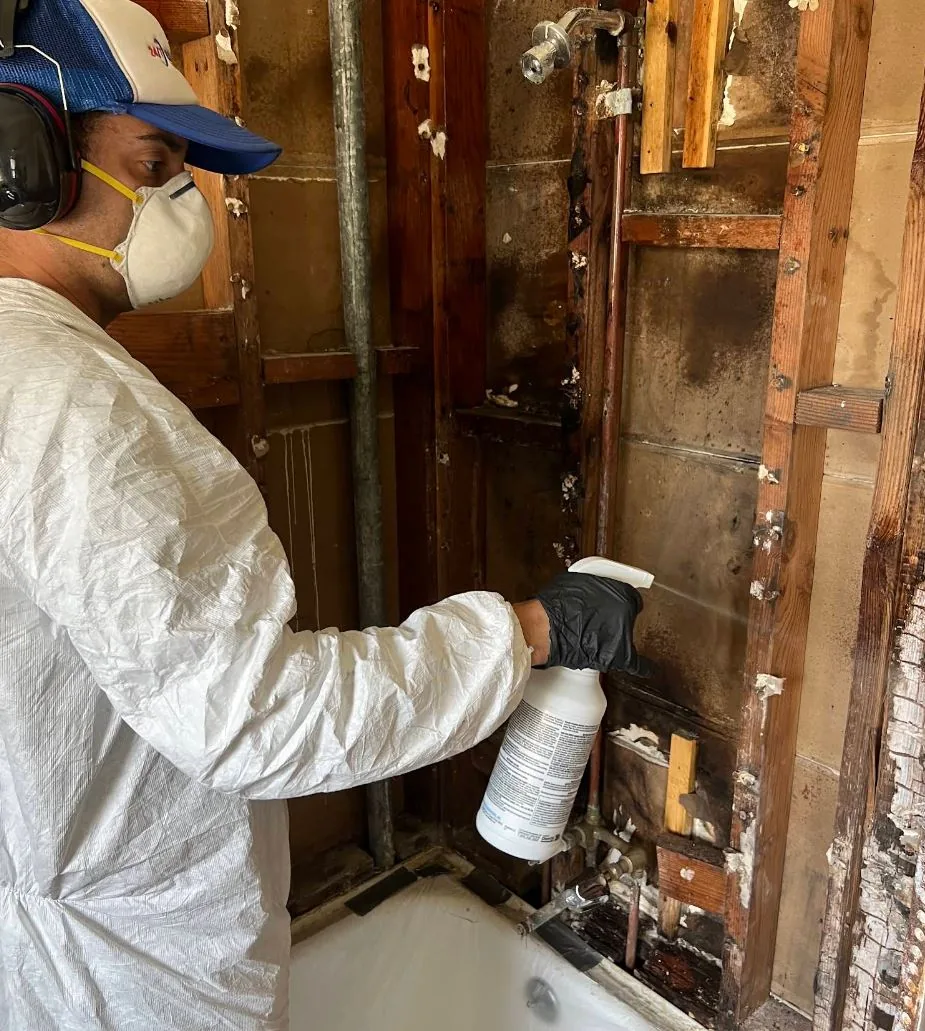
Mold remediation may be appropriate when affected materials show visible mold or when moisture-related damage has created an area that requires cleanup or removal.
Visible Mold Growth
Areas with visible mold or suspicious growth may require evaluation and affected-material cleanup.
Water-Damaged Drywall
Damp or damaged drywall can become part of a larger mold and moisture concern after a leak.
Cabinets & Baseboards
Water can collect around cabinet bases, vanities and baseboards, leaving nearby materials damp.
Wall Cavity Moisture
Plumbing leaks can affect concealed wall spaces even when the finished wall surface looks relatively dry.
Recurring Dampness
An area that repeatedly becomes damp may need both moisture-source correction and mold-related cleanup.
Mold After Indoor Flooding
Flooded rooms can leave moisture in flooring, drywall and connected materials that require further attention.
Mold Removal Should Consider Why the Area Became Wet
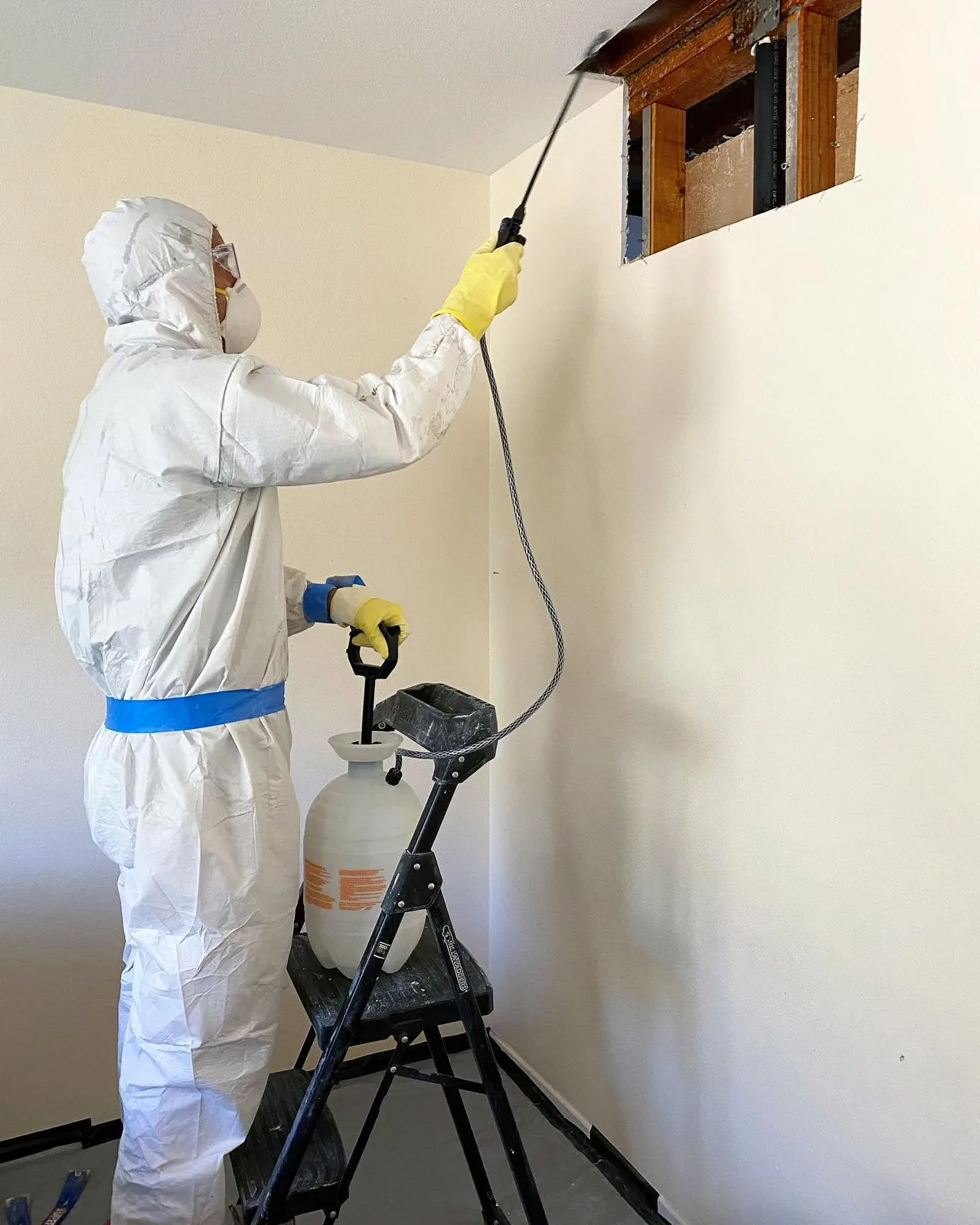
Mold-related cleanup is only one part of the restoration picture. If a leak, plumbing failure or other moisture source is still active, the area can continue to become damp.
The restoration process may also involve water extraction, structural drying, moisture inspection or repair of water-damaged building materials.
Areas Commonly Affected by Mold and Moisture
Mold concerns may involve visible surfaces or concealed materials that remained damp after a leak or water-loss event.
Drywall
Wet drywall and lower wall areas can remain damp after plumbing or flooring-related water damage.
Ceilings
Ceiling materials may be affected by plumbing leaks or water moving from an upper interior level.
Baseboards
Baseboards can be exposed when water travels along walls or across finished flooring.
Cabinets & Vanities
Sink leaks and supply-line failures can affect cabinet interiors, toe-kick areas and adjacent walls.
Flooring Edges
Moisture may remain beneath flooring or along the perimeter of a room after surface water is removed.
Wall Cavities
Concealed wall spaces may be affected when plumbing leaks occur behind finished surfaces.
A Practical Approach to Mold Removal
The exact work depends on the affected materials and moisture conditions, but mold remediation generally begins by understanding both the visible problem and the water source connected to it.
Evaluate the Area
Review visible mold concerns, affected materials and the history of leaks or moisture in the area.
Address Moisture
Consider the active or previous water source and whether affected materials remain damp.
Remove or Clean Affected Materials
Mold-affected materials can be cleaned or removed as appropriate for the condition of the area.
Dry & Restore
Remaining damp materials can be dried and damaged interior surfaces can be restored as appropriate.
Request Mold Removal in Los Angeles
If you are seeing mold, recurring moisture or water-damaged materials, contact 24/7 Water Damage Restoration to discuss the affected area and next steps.
Mold Testing and Mold Removal Serve Different Purposes
Mold testing or evaluation helps clarify a suspected mold and moisture concern. Mold removal focuses on cleanup or removal of materials that are already considered affected.
Some situations may begin with an evaluation, while others may involve visible affected materials that require remediation. The underlying moisture condition should be considered in either case.
Learn About Mold Testing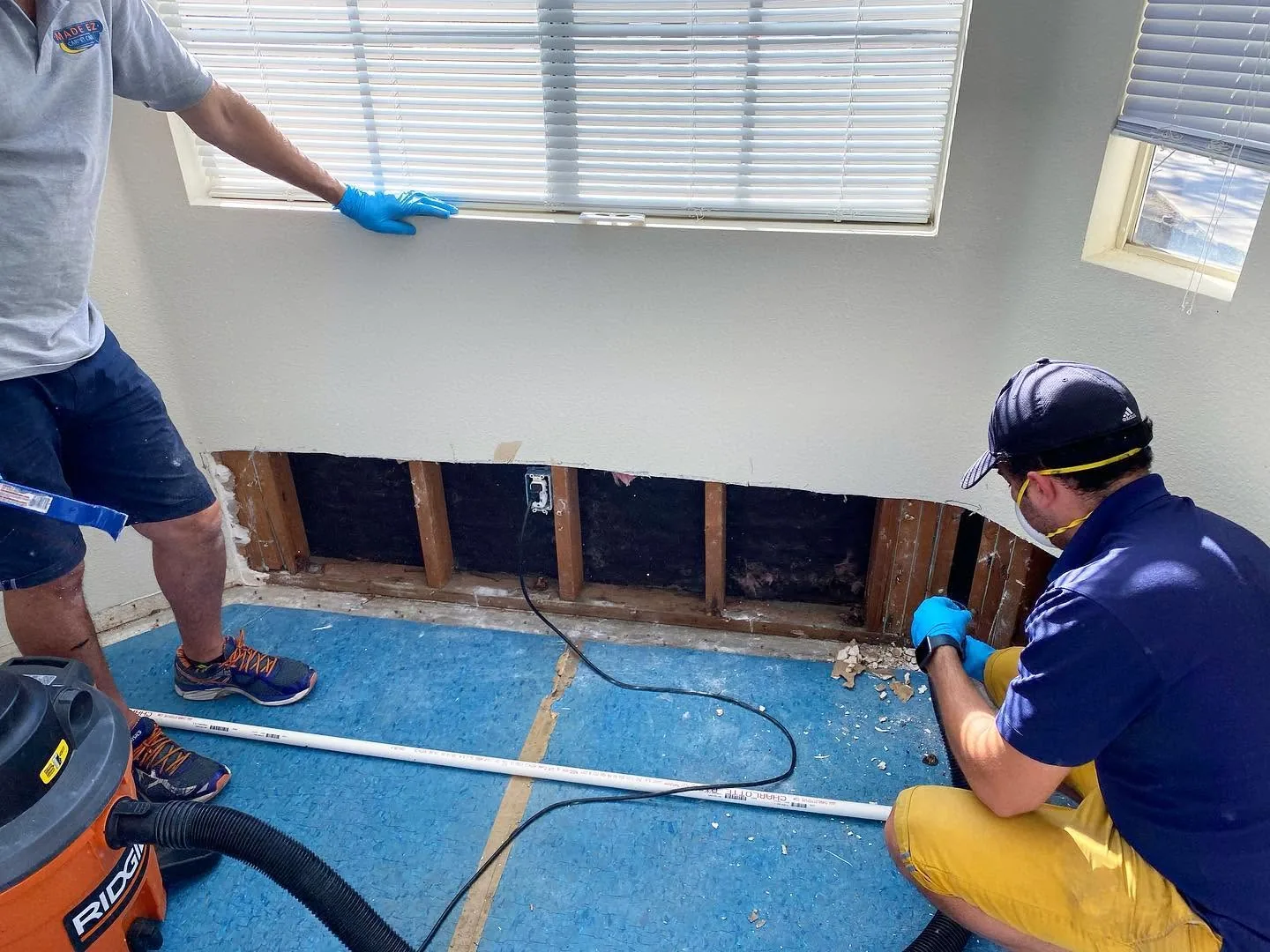
Residential and Commercial Mold Removal
Mold and moisture problems can develop in homes, apartments, condos, offices and other business interiors after leaks or water damage.
Residential Homes
Mold concerns in bathrooms, kitchens, bedrooms, garages, utility areas and other interior spaces.
Apartments & Condos
Moisture can affect connected walls, ceilings and flooring after a leak in one room or interior level.
Commercial Properties
Mold concerns may develop in offices and business interiors after plumbing leaks, ceiling water intrusion or other water losses.
Water Damage and Mold Services
Mold Testing
Evaluate suspected mold and moisture concerns after leaks or water damage.
Mold Testing →Water Damage Restoration
Water extraction, drying, cleanup and restoration for water-damaged properties.
Water Damage Restoration →Emergency Water Extraction
Remove accessible standing water after indoor leaks and flooding.
Water Extraction →Structural Drying
Address retained moisture in drywall, flooring and other building materials.
Structural Drying →Drywall Water Damage
Service for wet walls, ceilings and hidden moisture after water intrusion.
Drywall Water Damage →Water Damage Repair
Interior property repair after water removal and drying are completed.
Water Damage Repair →Common Questions About Mold Remediation
Mold remediation generally refers to addressing materials and areas affected by mold while also considering the moisture conditions connected to the problem.
The moisture source should be considered as part of the overall restoration process. Persistent water or damp materials can leave the conditions that contributed to the mold concern unresolved.
Moisture and affected materials can sometimes be present inside wall cavities after concealed plumbing leaks or other water intrusion.
Continuing or recurring moisture can recreate damp conditions in the affected area, which is why the source of moisture should be considered during restoration.
Yes. Mold removal is included among the services listed by 24/7 Water Damage Restoration, including situations connected to moisture and previous water damage.
Yes. Mold testing is also included among the company’s listed services.
Moisture-related mold concerns may involve drywall, ceilings, baseboards, cabinets, flooring edges, wall cavities and other materials that remained damp after water intrusion.
Tell Us About the Affected Area
Include the property location, where you are seeing suspected mold, whether there was a previous leak or water-loss event and which walls, ceilings, flooring, cabinets or other areas are affected.