
Mold Testing Los Angeles
Mold testing and evaluation for Los Angeles homes and businesses with suspected mold, recurring moisture problems, visible discoloration, musty odors or previous water damage.
When Should You Consider Mold Testing?
If a property has experienced a leak, flooding or persistent moisture and you notice musty odors, staining, suspicious growth or recurring dampness, the affected area should be evaluated. What is visible on the surface may not show the full extent of the moisture problem.
Mold Concerns Often Begin With a Moisture Problem
Mold concerns can appear after plumbing leaks, appliance failures, roof or ceiling water intrusion, bathroom overflows, flooding or other conditions that leave interior materials damp.
Drywall, flooring, cabinets, baseboards, ceilings and wall cavities can retain moisture even after the surface appears dry.
Mold testing or further evaluation may be appropriate when a moisture problem has occurred and there are visible or suspected signs of mold.
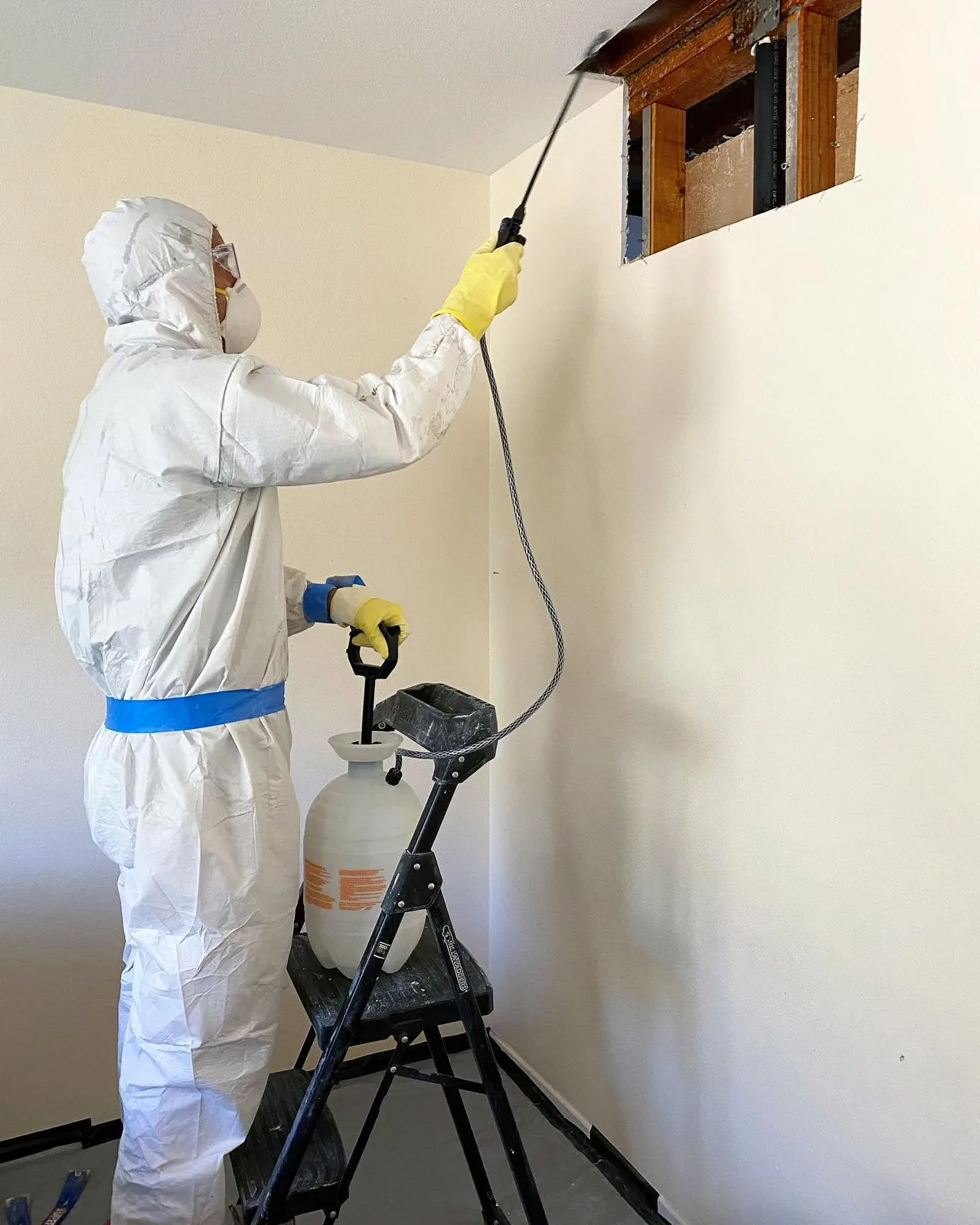
Situations Where Mold Testing May Be Appropriate
Mold testing is generally considered in the context of moisture conditions, visible concerns or a history of water damage.
After Water Damage
A previous leak or flood can leave moisture inside materials even after visible water has been removed.
Persistent Musty Odor
A recurring musty smell may indicate that an area should be evaluated for moisture and possible mold-related conditions.
Visible Discoloration
Unusual spotting, staining or growth on walls, ceilings, cabinets or other materials may warrant further evaluation.
Recurring Plumbing Leaks
Repeated pipe, fixture or supply-line leaks can create ongoing moisture in walls, floors and cabinets.
Moisture Behind Walls
Wet drywall or wall cavities may not always be obvious from the finished surface.
Ceiling or Flooring Moisture
Water can remain beneath flooring or above ceiling materials after an indoor leak.
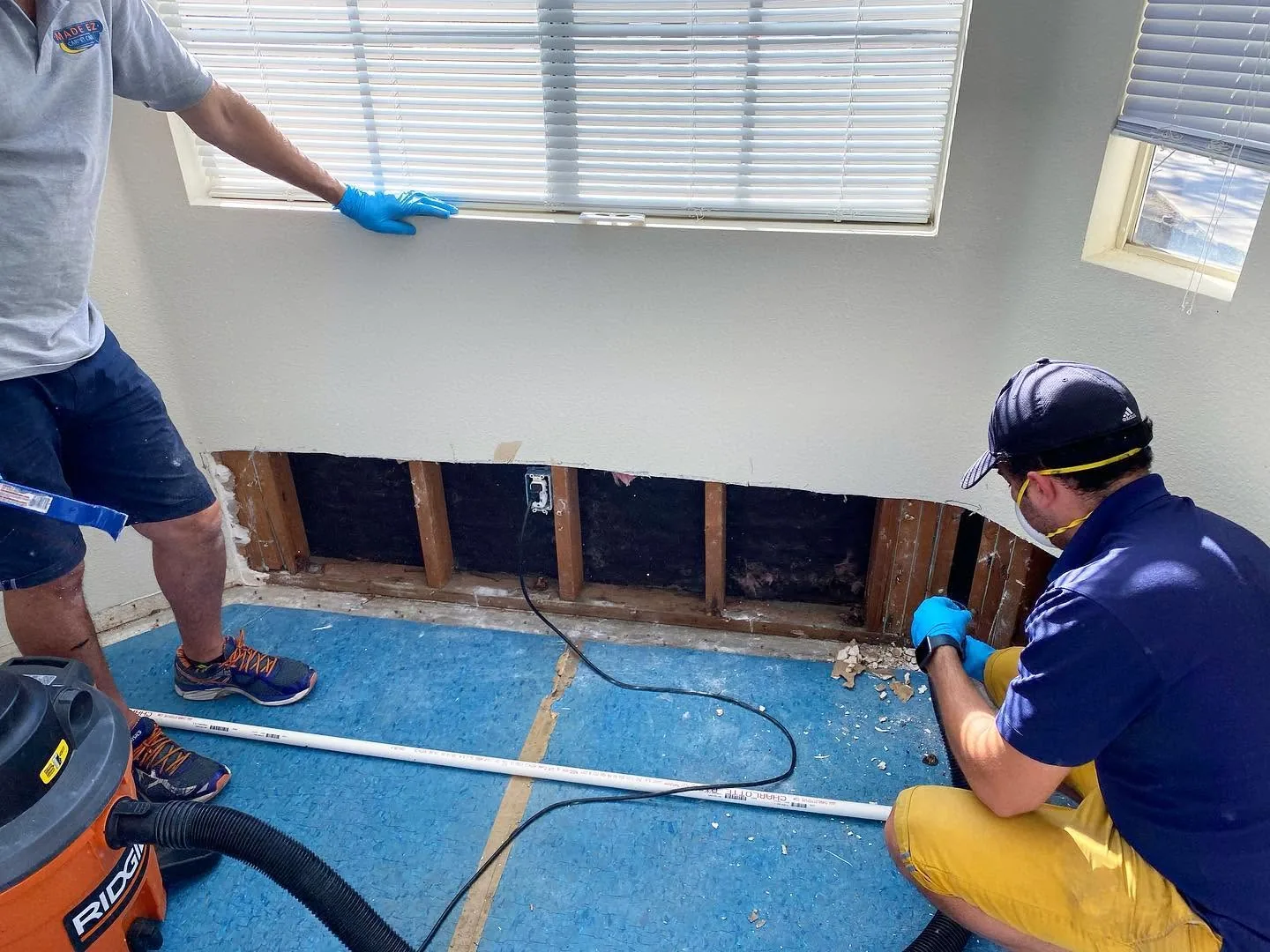
Why Moisture Control Matters When Mold Is Suspected
Mold-related concerns should not be separated from the underlying moisture problem. If an active leak or wet material remains, the water source and affected building materials also need attention.
Water extraction, structural drying and moisture inspection can help address the conditions that allowed the affected area to stay damp.
What May Be Reviewed During a Mold Evaluation
The evaluation should consider the visible concern together with moisture history and the surrounding materials that may have been affected.
Visible Affected Areas
Areas with staining, discoloration, suspicious growth or other visible changes.
Moisture Conditions
Damp or previously wet areas that may still contain retained moisture.
Water Damage History
Previous leaks, flooding, plumbing failures or other known water events can help identify areas that need attention.
Connected Rooms
Water can move beyond the room where it started, especially under flooring and through shared walls.
Walls & Ceilings
Drywall, ceiling materials and wall cavities may retain moisture after a leak.
Flooring & Cabinets
Moisture can collect beneath flooring and around cabinets, vanities and baseboards.
Mold Concerns May Extend Beyond the Visible Surface
A visible stain or small affected area does not always show how far moisture traveled during the original leak.
Water may move beneath finished flooring, behind drywall, around cabinets, through ceiling materials or into wall cavities before the source is stopped.
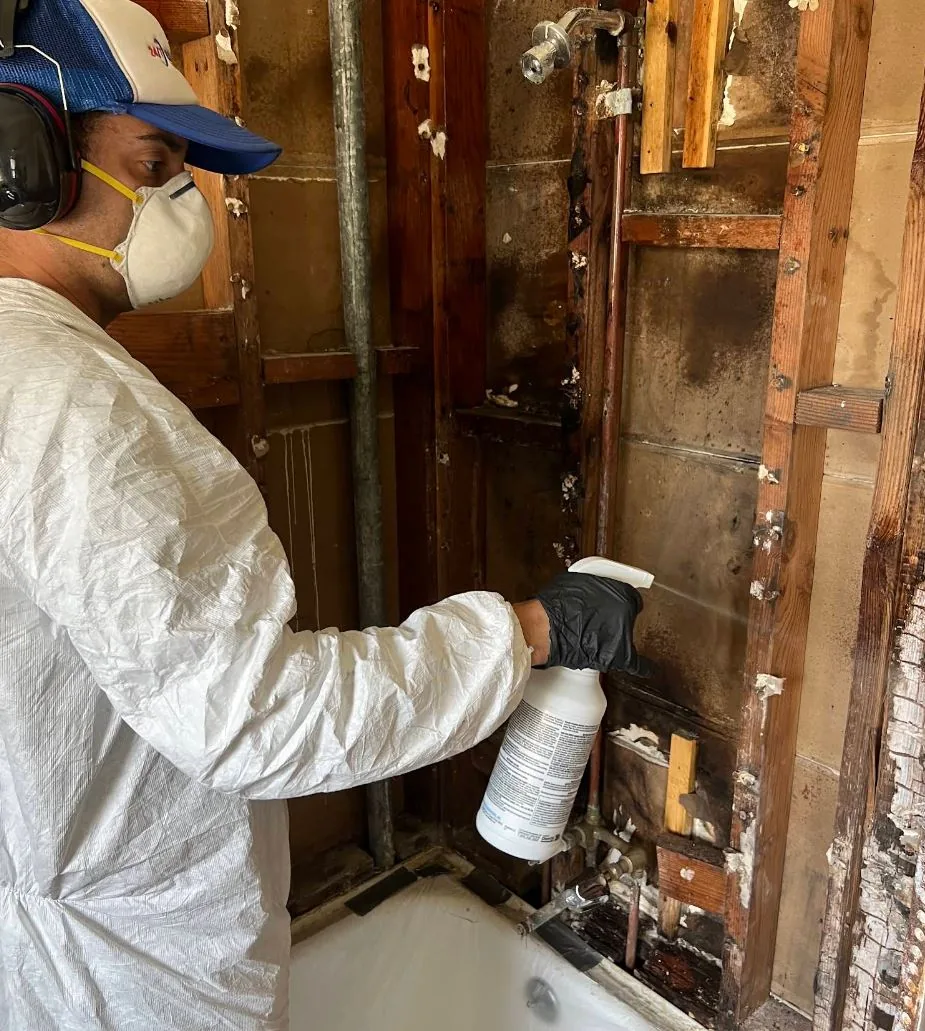
A Practical Approach to Suspected Mold and Moisture
Review the Concern
Identify where staining, odors, suspicious growth or prior water damage has been noticed.
Evaluate Moisture
Consider whether current or previous moisture may be affecting walls, ceilings, flooring or connected areas.
Determine Next Steps
Decide whether additional testing, moisture correction or affected material cleanup may be appropriate.
Address the Affected Area
If mold removal is needed, the affected materials and underlying moisture conditions can then be addressed.
Mold Testing and Mold Removal Are Different Steps
Testing or evaluation helps clarify the concern. Mold removal focuses on addressing affected materials and the conditions associated with the mold problem.
If removal is appropriate, the moisture source should also be considered so the affected area is not treated without addressing why it became damp.
Learn About Mold RemovalMold Testing for Residential and Commercial Properties
Moisture and suspected mold can affect many types of interior spaces after leaks, flooding or recurring water problems.
Residential Homes
Mold concerns in bedrooms, living spaces, kitchens, bathrooms, garages and utility areas.
Apartments & Condos
Moisture can move through shared walls, ceilings, floors and connected interior spaces.
Commercial Interiors
Offices and business interiors can experience mold concerns after plumbing leaks, ceiling water intrusion and other water losses.
Water Damage and Mold Services
Water Damage Restoration
Water removal, drying, cleanup and interior restoration after water damage.
Learn More →Emergency Water Extraction
Remove accessible standing water after leaks, flooding and indoor water-loss events.
Learn More →Structural Drying
Address moisture retained within drywall, flooring and other building materials.
Learn More →Drywall Water Damage
Evaluate and address water-damaged walls, ceilings and hidden moisture.
Learn More →Mold Removal
Cleanup and removal of affected mold materials when mold remediation is appropriate.
Learn More →Commercial Water Damage
Water extraction, drying and restoration for offices and business interiors.
Learn More →Request Mold Testing in Los Angeles
Contact 24/7 Water Damage Restoration if you have suspected mold, recurring moisture, musty odors or concerns after a previous water damage event.
Common Questions About Mold Testing
Mold testing or further evaluation may be appropriate after water damage, recurring leaks, persistent musty odors, visible staining or suspected mold growth.
Moisture left within drywall, flooring, ceilings, cabinets or wall cavities can create conditions where mold becomes a concern.
Not every situation requires the same testing approach. The visible condition, water-damage history and moisture source should be considered before determining appropriate next steps.
Moisture and affected materials can sometimes be present behind drywall, inside wall cavities or other concealed areas after a plumbing leak or water-loss event.
A leak can leave building materials damp, especially when water moves beneath flooring, behind walls, around cabinets or into ceilings and other connected spaces.
Yes. Mold removal is included among the listed services of 24/7 Water Damage Restoration.
The underlying water or moisture source should be considered as part of the overall restoration approach because treating an affected area without addressing continuing moisture may leave the original condition unresolved.
Tell Us What You Are Seeing or Smelling
Include the property location, whether there was a recent or past leak, where the concern is located and whether you have noticed visible discoloration, suspicious growth, dampness or musty odors.