
Water Damage Restoration Resources
Practical information for property owners dealing with leaks, flooding, water extraction, structural drying, mold concerns and water-damaged building materials.
Start with information about removing accessible standing water after a leak or indoor flooding event.
Emergency Water Extraction →Learn why walls, flooring and other building materials may require structural drying after water removal.
Structural Drying →Review information about mold concerns after leaks, hidden moisture or previous water damage.
Mold Testing →Water Damage Information by Topic
Use these resource categories to understand common water-damage situations, what different restoration services do and when professional assistance may be appropriate.
Water Damage Restoration Guides
Learn how the restoration process connects inspection, water removal, drying, cleanup and property repair.
- What to do after water damage
- How restoration works
- Water mitigation and cleanup
- Repairing affected materials
Water Extraction & Flood Cleanup
Information for situations involving standing water, flooded rooms and water spreading across connected interior spaces.
- Water extraction after leaks
- Flooded room cleanup
- Appliance and plumbing failures
- Multi-room water damage
Structural Drying & Moisture
Understand why materials can remain wet after surface water has been removed.
- Moisture behind drywall
- Water beneath flooring
- Drying walls and ceilings
- Dehumidification basics
Drywall & Interior Repairs
Resources covering water-damaged walls, ceilings, baseboards and other interior materials.
- Signs drywall is wet
- Ceiling water damage
- Repair after drying
- Hidden wall moisture
Mold & Moisture Resources
Learn about mold concerns connected with recurring dampness, previous leaks and water-damaged building materials.
- Mold after water damage
- Musty odors and moisture
- Mold testing considerations
- Mold remediation basics
Commercial Water Damage
Resources for offices, businesses, apartments and other properties where water damage may affect multiple connected areas.
- Office water damage
- Commercial extraction
- Property manager response
- Drying business interiors
Common Water Damage Questions Property Owners Ask
These are the types of practical questions our resource library is designed to answer.
What Should You Do Immediately After Water Damage?
A guide to the first priorities after discovering indoor water, including safety, stopping the source where possible, documenting the affected area and arranging water extraction.
Water Extraction vs. Water Damage Restoration
Water extraction removes accessible standing water, while restoration can include drying, cleanup and repair of affected building materials.
Why Can Walls Stay Wet After the Water Is Gone?
Surface water may disappear while moisture remains inside drywall, flooring, wall cavities and other materials.
How Can You Tell If Water Is Behind Drywall?
Staining, soft materials, swelling, damaged paint and known plumbing leaks can indicate that further moisture evaluation is needed.
Can Mold Become a Concern After Water Damage?
Persistent dampness and moisture retained in building materials can create conditions where mold becomes a concern.
What Should a Property Manager Do After Water Damage?
A commercial response may involve documenting affected areas, controlling the water source, extracting water and coordinating drying across multiple rooms or units.
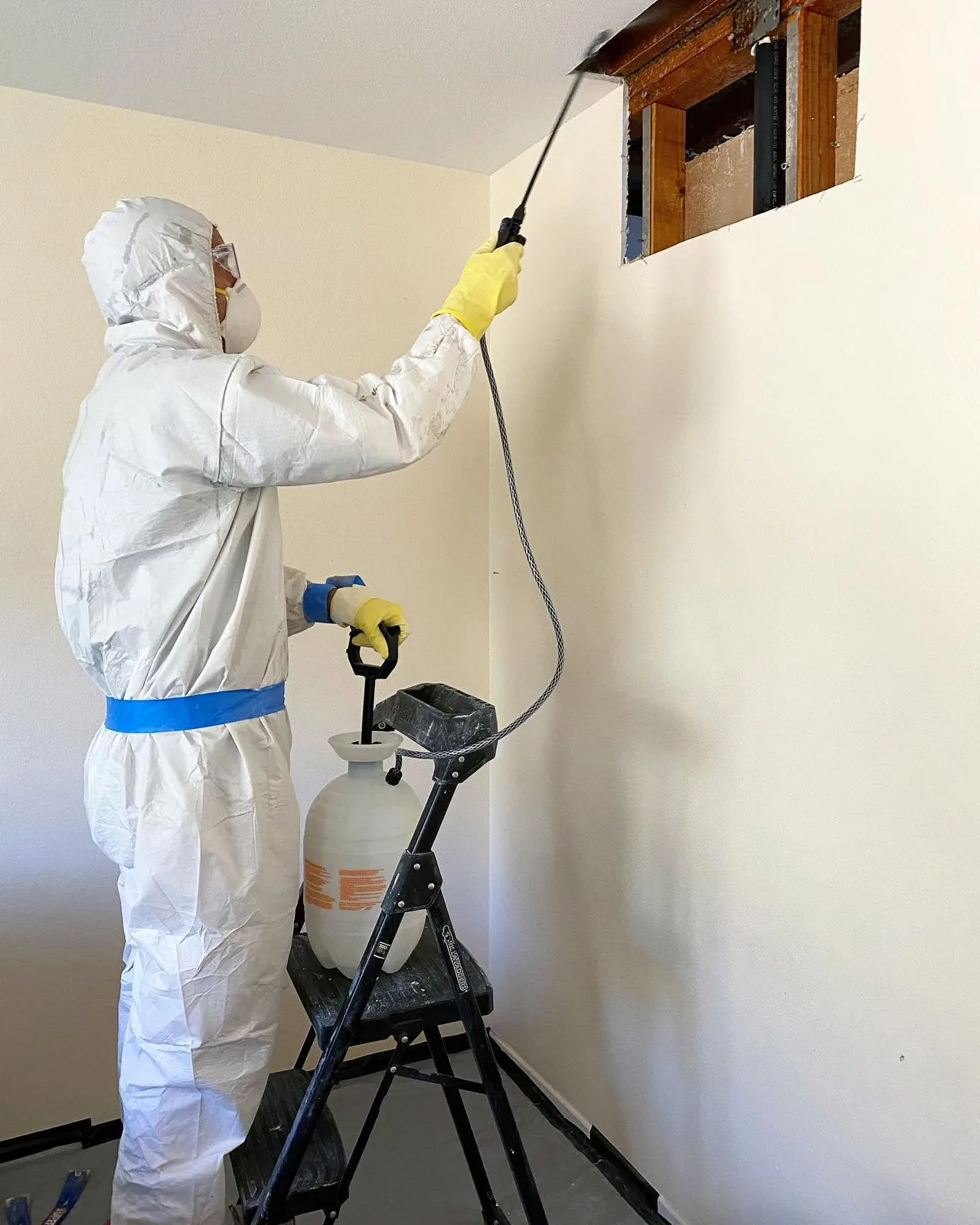
Water Damage Is Not Always Limited to What You Can See
Water can move beneath flooring, behind drywall, around cabinets and through connected rooms before the source is stopped.
That is why many of our resources focus not only on visible water, but also on structural drying, hidden moisture, drywall damage and mold-related concerns.
Explore Our Main Restoration Services
If you already know what type of help you need, use these service pages for more specific information.
Water Damage Restoration
Complete overview of water extraction, drying, cleanup and property restoration.
View Service →Emergency Water Extraction
Standing water removal after indoor flooding, plumbing leaks and appliance failures.
View Service →Structural Drying
Dry affected walls, flooring, ceilings and other building materials.
View Service →Flood Cleanup
Cleanup and drying after indoor water spreads through rooms and connected spaces.
View Service →Water Damage Repair
Interior repair and restoration after affected materials have been dried.
View Service →Commercial Water Damage
Restoration information for offices and other commercial property interiors.
View Service →Mold Testing
Evaluation information for suspected mold and moisture concerns after leaks or water damage.
View Service →Mold Removal
Mold remediation and affected-area cleanup connected to moisture and water damage.
View Service →Drywall Water Damage
Information about wet walls, ceilings and hidden moisture in finished building materials.
View Service →Find Water Damage Restoration in Your Service Area
Our service-area hub connects local pages for Los Angeles, surrounding Southern California communities, the Inland Empire and selected Florida locations.
Each local page focuses on water damage situations and property types relevant to that geographic service cluster.
Explore Service Areas
Common Water Damage Restoration Questions
If it can be done safely, identify or stop the water source, avoid unsafe electrical or structural areas and document the visible damage. Standing water and wet building materials should then be evaluated for extraction and drying.
Standing water can continue spreading into flooring, walls and connected materials, so water extraction is an important early part of the restoration process.
Removing standing water does not necessarily remove moisture retained in drywall, flooring, ceilings, wall cavities and other building materials.
Yes. Plumbing leaks and other water-loss events can allow moisture to enter wall cavities and affect materials behind the finished wall surface.
Persistent moisture in building materials can create conditions where mold becomes a concern, which is why moisture correction and drying are important parts of water-damage restoration.
The affected area should first be evaluated for retained moisture and material damage. Repair decisions can then be made after the water source and drying needs are addressed.
Visit the contact page or call 24/7 Water Damage Restoration to provide your property location and details about the affected area.
Need Water Damage Restoration?
Resources can help you understand the problem, but active water damage may require extraction, structural drying, cleanup or property restoration.