Water Damage Restoration in Fontana, CA
Water from a failed plumbing line, water heater, appliance, overflowing fixture or indoor flood can spread well beyond the place where the problem started. We provide water extraction, moisture evaluation, structural drying and interior restoration for homes, apartments and commercial properties throughout Fontana.
If it is safe to do so, stop or isolate the water source and avoid areas where water may have reached electrical equipment. Do not assume that a dry-looking floor or wall means the materials underneath are dry. Water can migrate beneath flooring, into lower drywall, through cabinetry and into adjoining rooms before the full affected area becomes visible.
Find the Full Moisture Path, Not Only the Visible Water
A plumbing or appliance leak may begin in one room but affect multiple building materials. Water released near a garage wall, laundry area, kitchen cabinet, bathroom doorway or utility space can move into nearby finished areas.
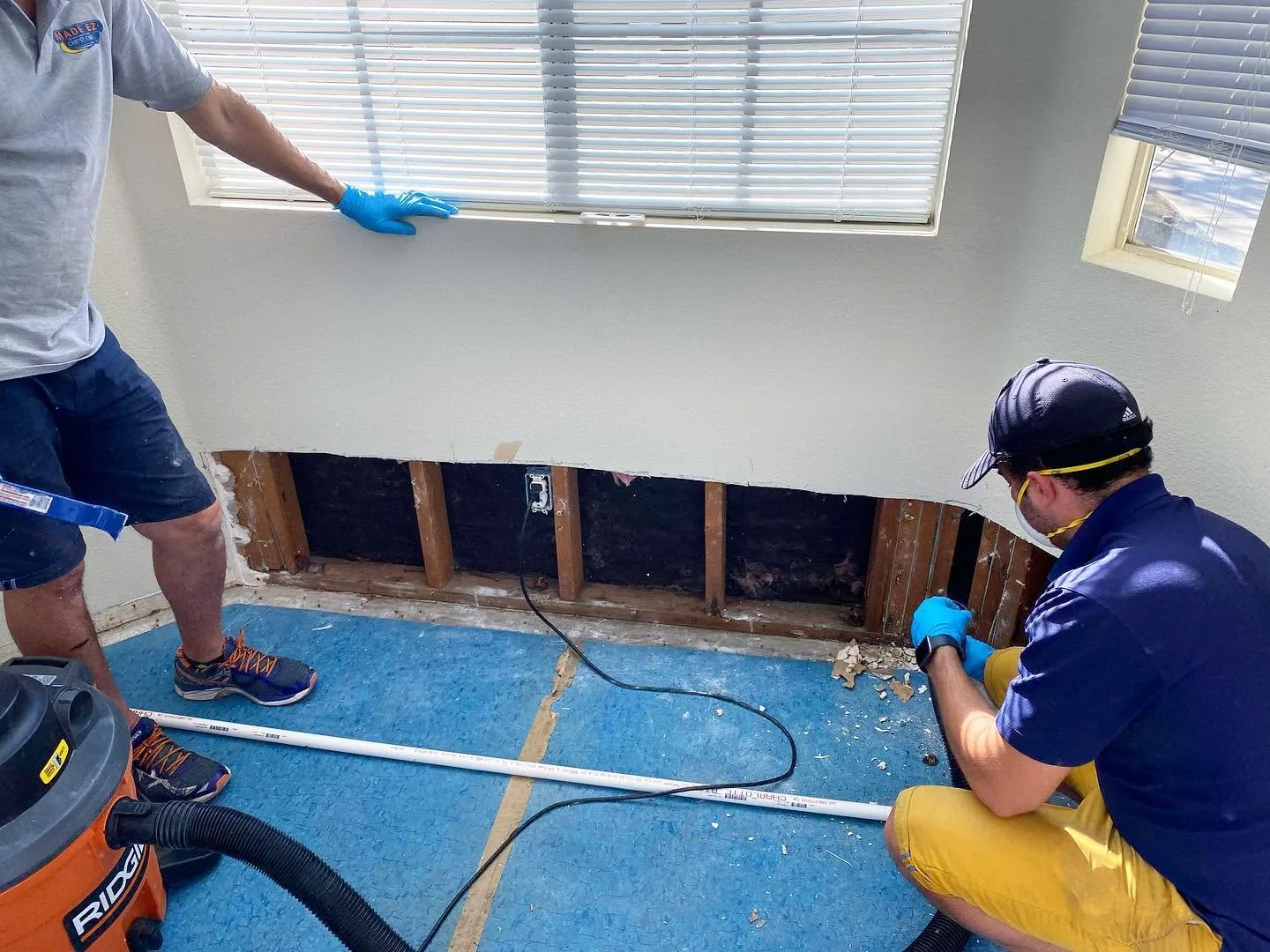
The visible puddle is only one part of the problem. Baseboards, lower drywall, wall cavities and flooring assemblies may continue holding moisture after accessible standing water has been removed.
Our Fontana restoration process focuses on determining how far the water traveled, extracting accessible water and addressing moisture retained within affected materials.
Water Damage Restoration Services for Fontana Properties
The appropriate restoration process depends on the source of the water, how much was released, where it traveled and which materials became wet.
Emergency Water Extraction
Remove accessible standing water after plumbing failures, water heater leaks, appliance problems and other indoor water releases.
Water Extraction →Structural Drying
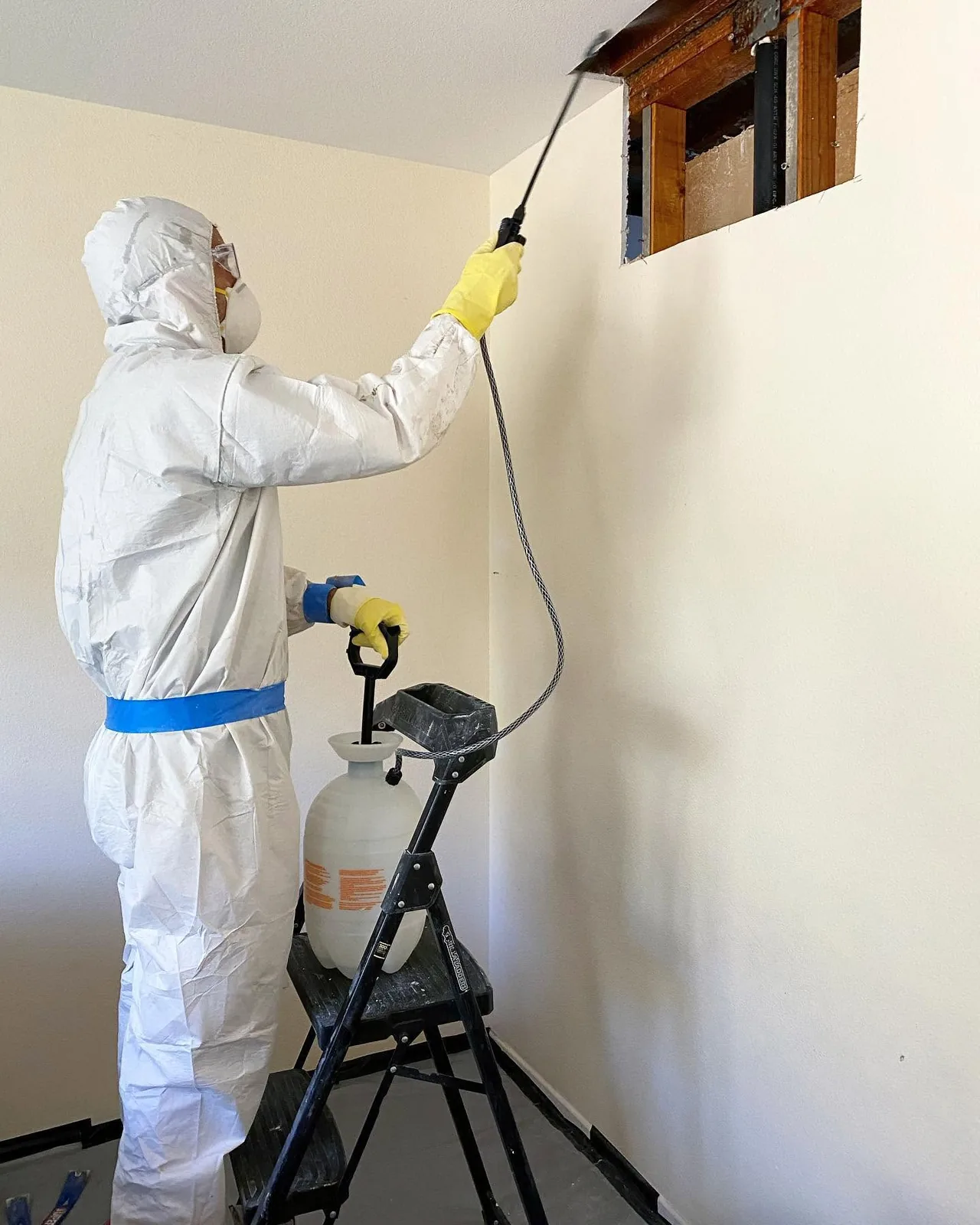
Address moisture remaining inside flooring, walls, ceilings and other affected building materials after standing water is removed.
Structural Drying →Flood Cleanup
Cleanup and drying when a larger water release affects multiple rooms or spreads through connected areas of the property.
Flood Cleanup →Drywall Water Damage
Evaluate wet lower walls, ceilings and finished surfaces where moisture may remain after visible water is removed.
Drywall Water Damage →Water Damage Repair
Restore appropriate drywall, trim, ceilings and other interior materials after moisture conditions have been addressed.
Water Damage Repair →Commercial Water Damage
Extraction, structural drying and restoration for offices, tenant areas, workspaces and other business interiors.
Commercial Restoration →Different Fontana Properties Create Different Water Damage Challenges
Fontana contains single-family neighborhoods, multi-family housing, mixed-use development, commercial areas and major employment and industrial districts.
The City of Fontana’s Downtown Core planning information describes continued development involving higher-density housing and mixed-use areas. That matters for restoration because water can behave differently in detached homes, attached residential buildings, mixed-use properties and larger commercial interiors.
Request Fontana ServiceSingle-Family Homes
Water heaters, washing machines, plumbing lines and bathroom fixtures can release water into flooring, lower walls and nearby rooms. The affected area may extend farther than the original leak location.
Apartments & Multi-Unit Housing
When units share walls, floors or ceilings, moisture may travel through connected building assemblies. Evaluation may need to extend beyond the room or unit where the leak first appeared.
Downtown Mixed-Use Properties
Buildings combining residential, retail, restaurant or office uses can require a wider moisture evaluation when water reaches shared flooring, walls, ceilings or adjoining tenant spaces.
Industrial & Employment Properties
Plumbing or utility failures in larger properties may affect offices, corridors, restrooms, support rooms and other finished interior areas connected to the original water source.
Where Moisture Can Remain After the Visible Water Is Gone
Water can move horizontally and vertically through building materials. Restoration should account for the materials contacted along the path of the water.
Flooring
Moisture may remain beneath finished flooring even after the exposed surface appears dry.
Baseboards
Water spreading across the floor can reach trim and the lower edge of adjoining wall systems.
Lower Drywall
Finished walls can retain moisture after accessible standing water has already been extracted.
Wall Cavities
Moisture may migrate into concealed areas that cannot be evaluated by surface appearance alone.
A Leak Outside the Main Living Area Can Still Reach Finished Rooms
Garages, laundry areas and utility spaces often sit directly beside finished walls, doorways and living areas. A failed water heater, washing machine connection or plumbing line can therefore affect more than the room where the leak originated.
Enough released water can reach lower drywall, baseboards and finished flooring in adjoining rooms before the source is stopped.
Water extraction removes accessible standing water. Structural drying may still be necessary when affected materials continue holding moisture.
Emergency Water ExtractionHow Water Damage Restoration Works
Every water-loss event is different, but restoration generally moves through four core stages.
Evaluate
Identify the source, visible damage and surrounding materials that may also have been exposed to moisture.
Extract
Remove accessible standing water from affected rooms, floors, utility spaces and other interior areas.
Dry
Address moisture remaining in flooring, walls, ceilings and other affected building materials.
Restore
Repair appropriate damaged materials after the moisture conditions have been addressed.
Is Water Moving Into More Than One Room?
Request water extraction, moisture evaluation, structural drying and interior restoration for your Fontana property.
Water Can Spread Through Connected Business Interiors
In a larger commercial or industrial property, a plumbing failure can begin in a restroom, break area, utility space or service room before spreading into corridors, offices and adjoining work areas.
Water may reach finished flooring, drywall, baseboards and wall cavities before the full affected area becomes obvious.
Commercial restoration should identify the complete affected interior footprint, remove accessible water and address retained moisture while accounting for the operational needs of the property.
Commercial Water Damage Service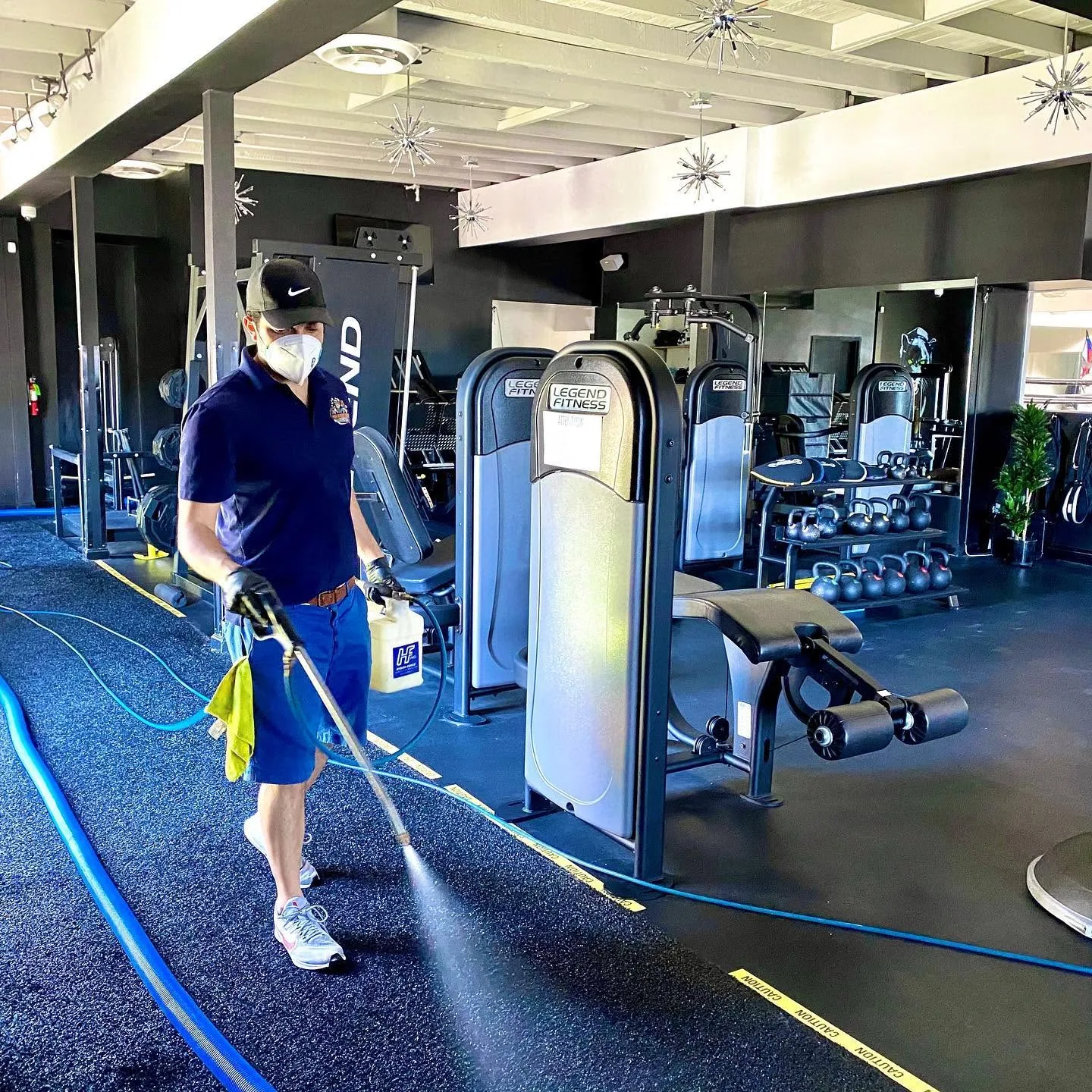
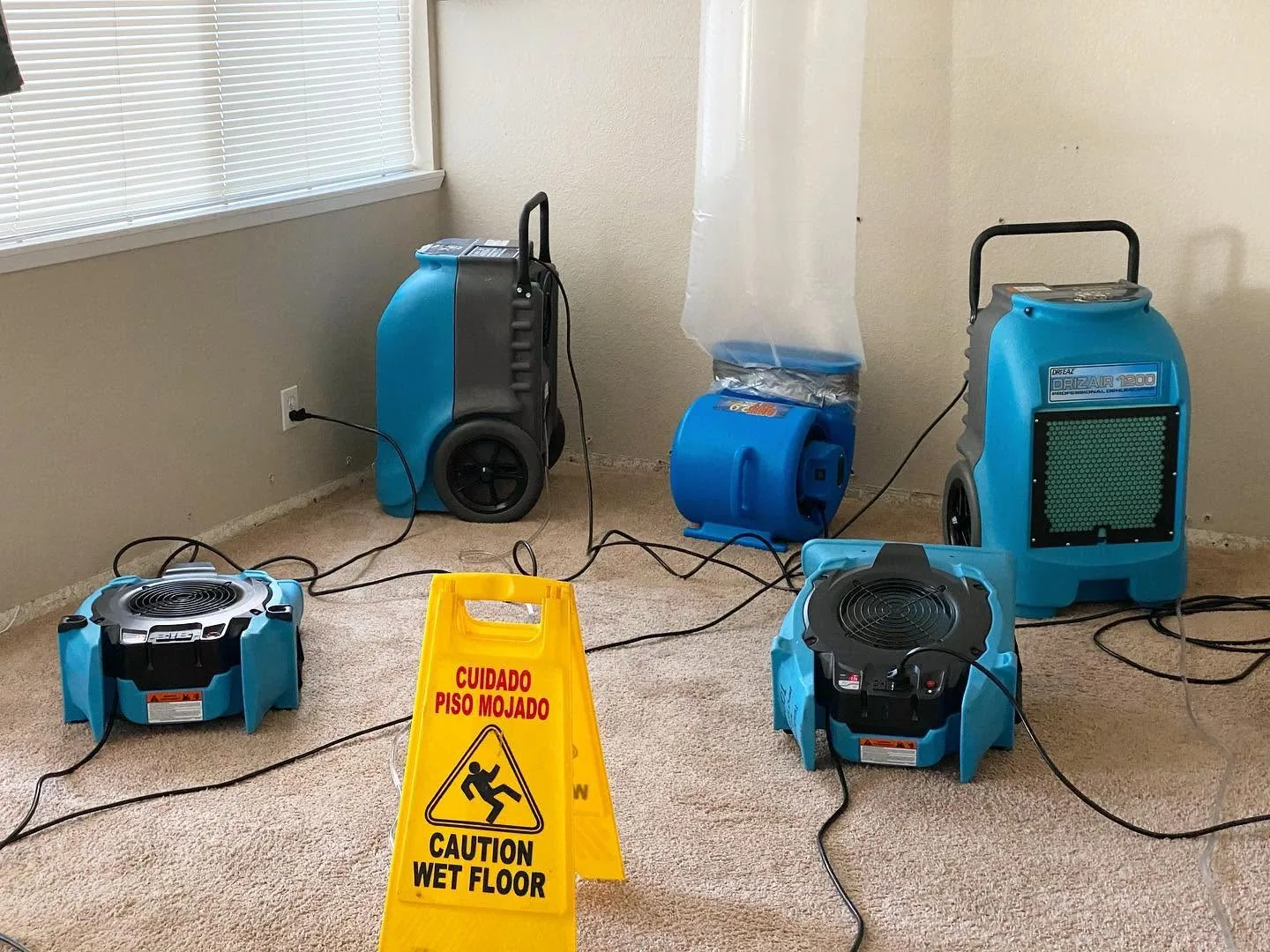
Removing Standing Water Does Not Always Mean the Structure Is Dry
Water extraction addresses accessible standing water, but moisture can remain inside drywall, flooring assemblies, baseboards, wall cavities and other porous building materials after the visible surface appears dry.
That is why a restoration project may require structural drying after extraction. Drying focuses on materials that absorbed or retained moisture during the water-loss event rather than only the water visible on the floor.
The U.S. Environmental Protection Agency’s guidance on mold and moisture recommends drying water-damaged areas and items within approximately 24 to 48 hours to help prevent mold growth.
The drying scope for a Fontana property depends on the path the water traveled and which materials were affected. Flooring assemblies, lower walls and concealed spaces may require attention even after standing water has been removed.
Learn About Structural DryingWater Damage Restoration Resources
Explore the service most closely related to the type of water damage affecting your property.
Water Damage Restoration Beyond Fontana
Explore restoration information for other communities currently served throughout Southern California.
Questions Fontana Property Owners May Have After Water Damage
Check the immediate leak area along with nearby flooring, baseboards, lower walls and adjoining rooms. Water can move beyond the location where the equipment originally failed.
Yes. When a garage or utility space shares walls or doorways with finished living areas, enough released water may reach nearby flooring, baseboards and lower wall materials.
Yes. Water can travel beneath some flooring materials and into the layers below them. A dry-looking surface does not always confirm that the entire flooring assembly is dry.
Yes. Drywall, baseboards and wall cavities may continue holding moisture after accessible standing water has been extracted.
No. Extraction removes accessible water. Structural drying addresses moisture that remains inside affected building materials after extraction.
Yes. Water extraction, structural drying and interior restoration services are available for offices and other business properties affected by plumbing failures, leaks or indoor flooding.
Tell Us What Happened and Where the Water Traveled
Describe the water source, where the problem started and which rooms or materials appear affected. We provide water extraction, structural drying, flood cleanup and interior restoration in Fontana.