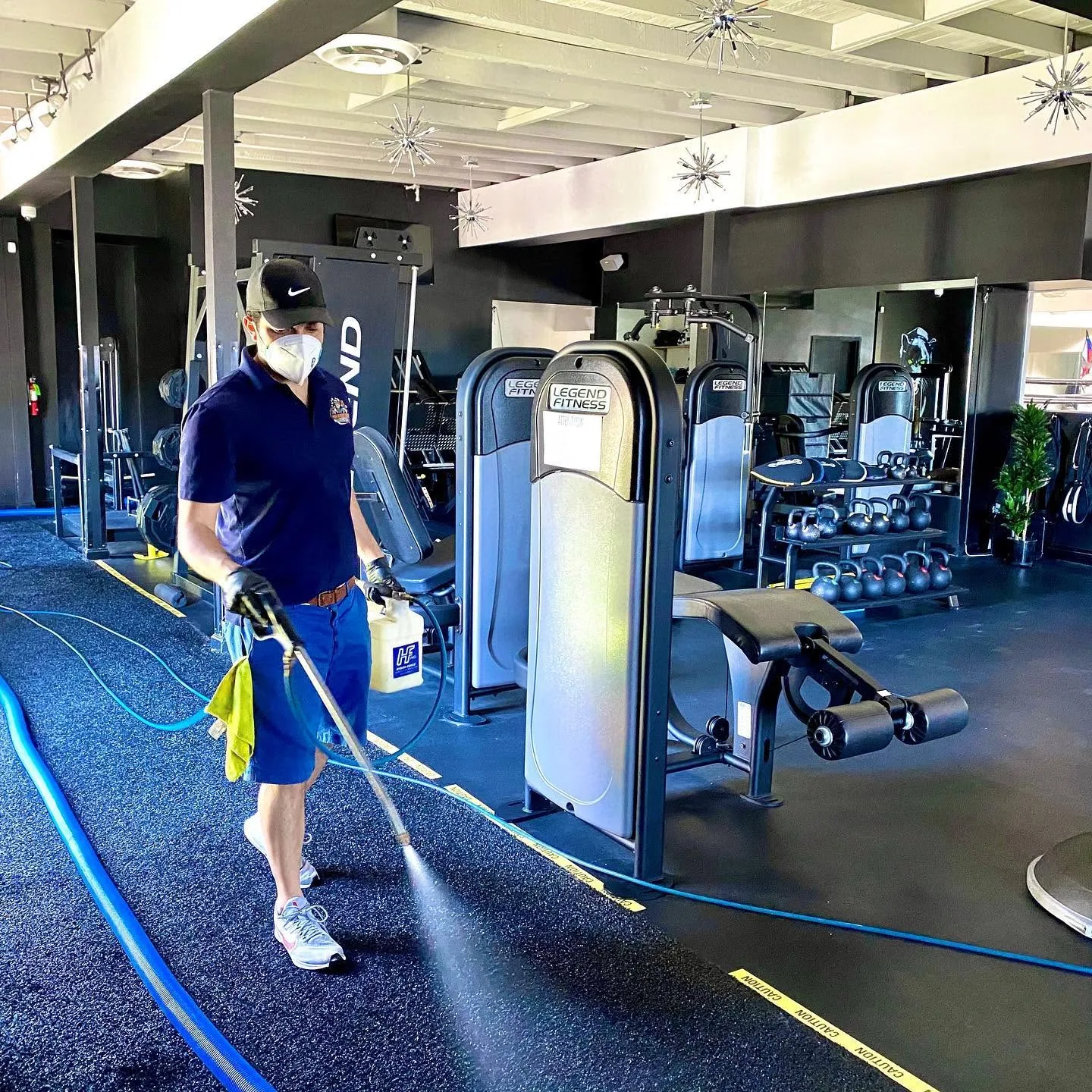
Flood Cleanup in Los Angeles, CA
Flooded rooms and standing water can affect flooring, drywall, baseboards, cabinets, wall cavities and adjoining spaces. We provide flood cleanup, water extraction, structural drying and interior restoration for residential and commercial properties throughout Los Angeles and surrounding service areas.
Flood cleanup may include standing water extraction, moisture inspection, drying wet building materials and restoring affected interior areas. The exact work depends on where the water came from, how far it traveled, how much water entered the property and which materials were affected.
Flood Cleanup From Water Removal Through Structural Drying
When water spreads across a room, the visible puddle is only one part of the problem. Water can move beneath flooring, into baseboards, drywall, cabinets and adjoining areas.
Flood cleanup is therefore more than removing visible water. Depending on the property, restoration may include water extraction, moisture inspection, structural drying, cleanup and repair or restoration of affected interior materials.
Common Causes of Indoor Flooding and Standing Water
Flood damage inside a property can result from plumbing failures, overflowing fixtures, appliance leaks and other sudden releases of water.
Burst Pipes
A failed pipe can release water quickly and affect multiple rooms, floors and interior wall materials.
Overflowing Sinks & Tubs
Overflowing fixtures can spread water beyond bathrooms or kitchens and into adjoining areas.
Appliance Leaks
Washing machines, water heaters, refrigerators and dishwashers can release enough water to flood nearby flooring.
Plumbing Supply Failures
Broken or leaking supply lines may release water behind fixtures, under cabinets and across floors.
Ceiling Water Intrusion
Water from plumbing or other sources above a room may damage the ceiling before reaching the floor below.
Commercial Flooding
Offices and commercial spaces may experience flooding across larger floor areas or several rooms at once.
How the Flood Cleanup and Restoration Process Works
The restoration process depends on the water source, amount of water and materials affected. Flood cleanup generally progresses through inspection, water extraction, moisture evaluation, structural drying and restoration of affected areas.
Inspect the Flooded Areas
The source, affected rooms and nearby materials are reviewed to identify where visible and less obvious water damage may be present.
Extract Standing Water
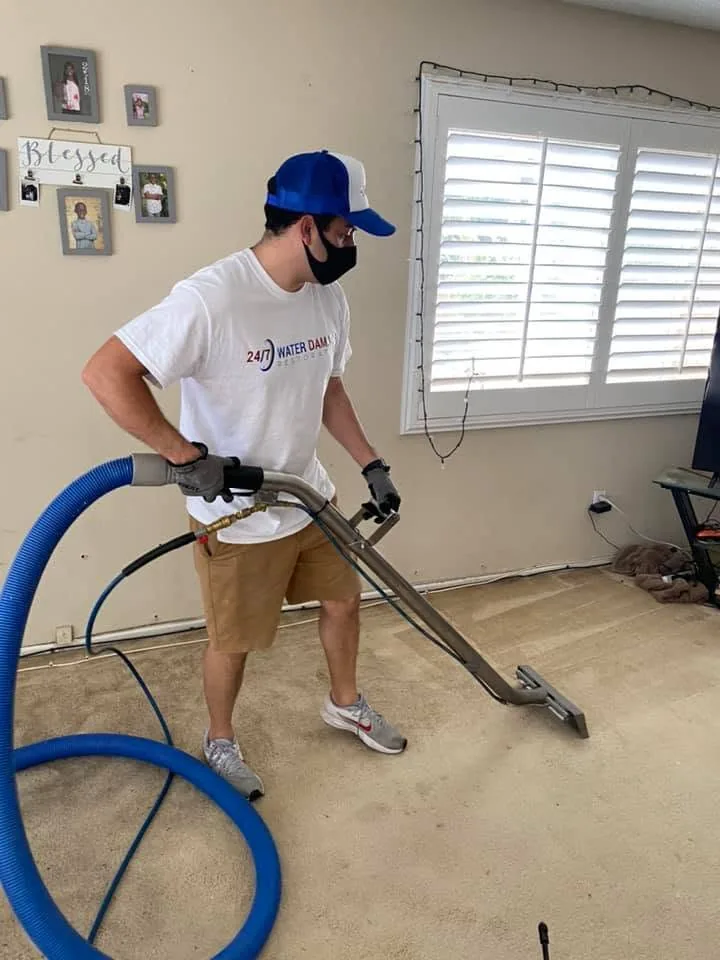
Accessible standing and excess water are removed from flooded rooms, flooring and other reachable affected surfaces.
Dry and Monitor Affected Materials
Air movement, dehumidification and moisture monitoring may be used where moisture remains in flooring, walls and other materials.
Restore Damaged Areas
Affected materials are addressed based on their condition and the restoration needs of the property.
Standing Water or Multiple Flooded Rooms?
Contact 24/7 Water Damage Restoration for flood cleanup, water extraction, moisture evaluation and structural drying for homes, apartments and businesses throughout Los Angeles and surrounding service areas.
Floodwater Can Reach Floors, Walls, Cabinets and Concealed Areas
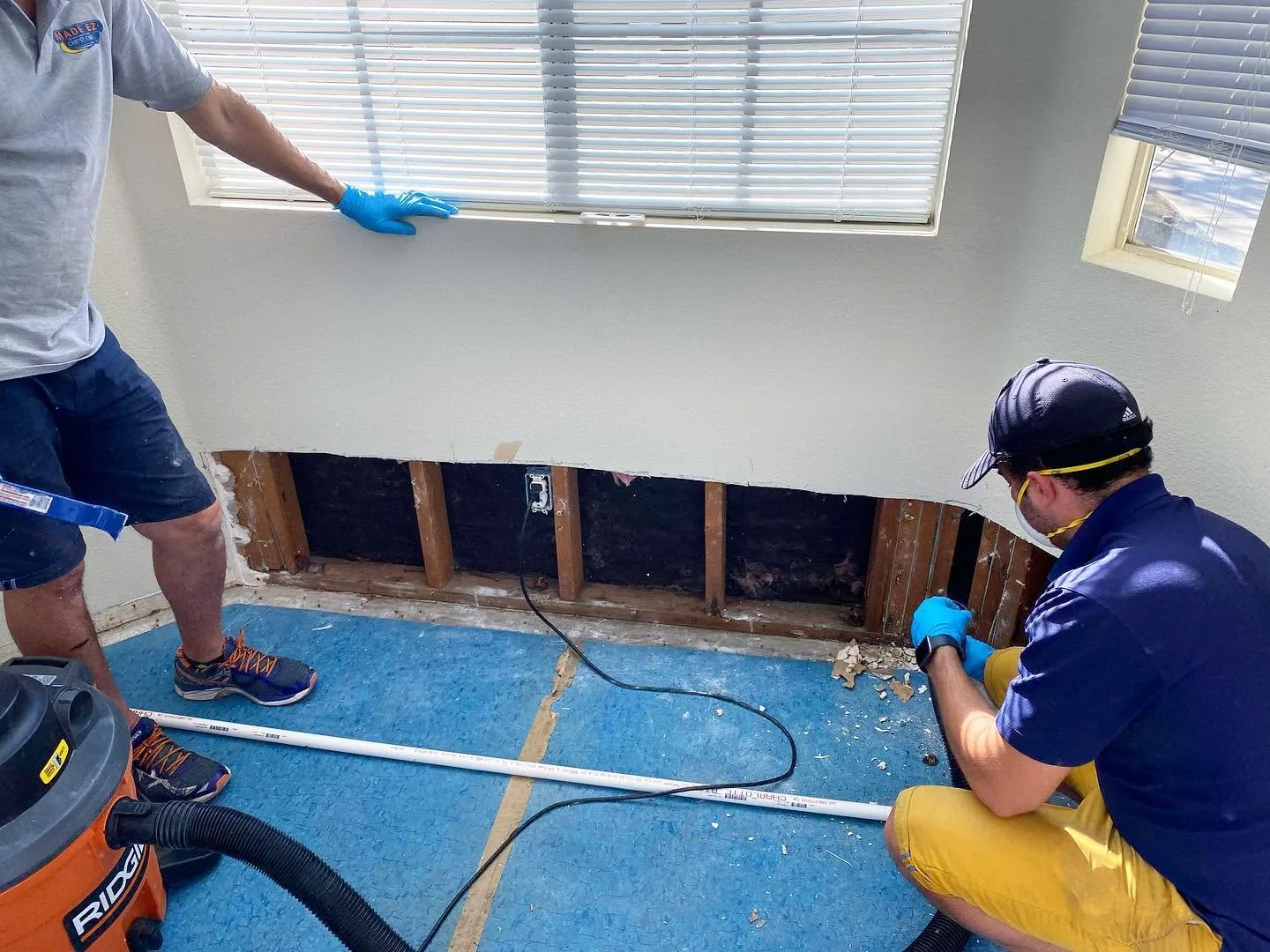
Floodwater can move laterally across a room and vertically into porous materials. Depending on the water level and affected area, moisture may reach drywall, baseboards, cabinets and wall cavities.
This is why a flooded room can require more than surface cleanup. Moisture conditions inside surrounding materials may need to be evaluated before restoration is complete.
When standing water is present, extraction is typically followed by drying of affected materials based on the conditions found.
Emergency Water ExtractionFlood Cleanup Is More Than Extracting the Visible Water
Water extraction removes accessible standing water, but flood cleanup may continue with moisture evaluation, structural drying and restoration where flooring, drywall, cabinets, baseboards or wall cavities remain wet.
Standing Water Extraction
Accessible water is removed from flooded rooms and surfaces so the property can move into the moisture-evaluation and drying phases.
Moisture Evaluation & Structural Drying
Materials that remain wet after extraction may need air movement, dehumidification and continued moisture monitoring.
Interior Repair & Restoration
Drywall, trim, ceilings, flooring and other damaged interior materials can be evaluated for appropriate repair or restoration after moisture conditions have been addressed.
Building Materials Commonly Affected by Indoor Flooding
Floodwater may affect different materials depending on where the water originated, how far it traveled and how much water entered the property.
Carpet & Padding
Water can move through carpet and into padding or materials below the finished surface.
Hard Flooring
Water may reach seams, edges, underlayment and adjoining building materials around hard flooring.
Drywall
Drywall can absorb water when flooding reaches walls or when water enters from adjacent areas.
Baseboards
Baseboards and trim may be exposed when standing water spreads around the perimeter of a room.
Cabinets
Kitchen and bathroom flooding can affect cabinet bases, toe kicks and adjoining wall materials.
Wall Cavities
Moisture may enter concealed spaces behind drywall when water spreads across floors or through plumbing systems.
Why Structural Drying Matters After Standing Water Is Removed
Removing standing water reduces the amount of water in the property, but wet materials can continue holding moisture after extraction.
Air movers and dehumidification may be used to help dry affected building materials while moisture conditions are monitored.
This drying phase is an important part of restoring a property after indoor flooding. The U.S. Environmental Protection Agency recommends drying water-damaged areas and items within 24 to 48 hours to help prevent mold growth.
Learn About Structural Drying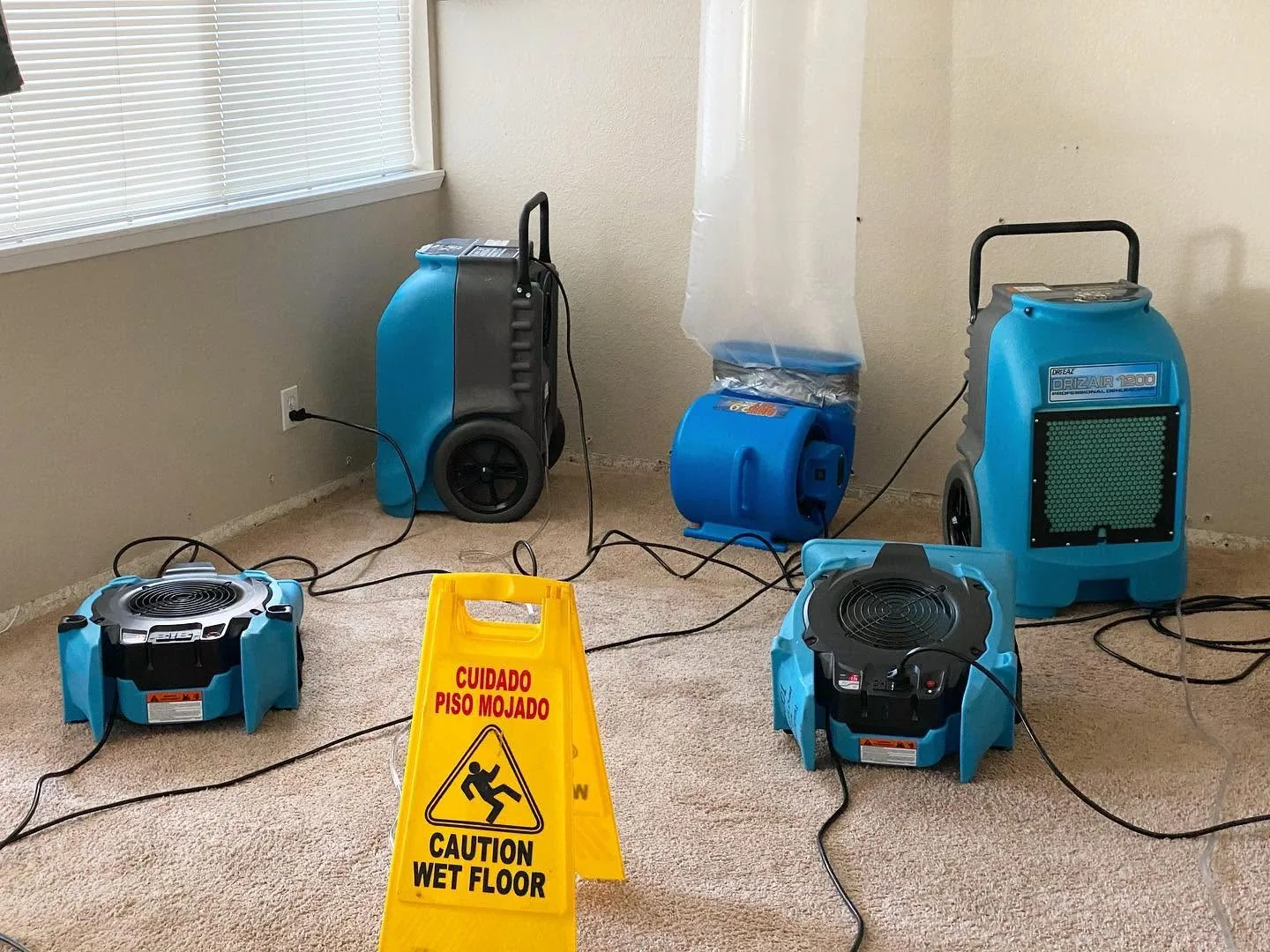
Flood Cleanup for Homes, Apartments and Commercial Properties
Flood cleanup needs can vary depending on property size, floor plan, materials and the number of affected areas.
Residential Flood Cleanup
Water removal and drying for houses, apartments and residential spaces affected by plumbing leaks, overflows or indoor flooding.
Commercial Flood Cleanup
Extraction, drying and restoration for offices, business spaces and commercial properties with flooded areas.
Multiple-Room Water Damage
Flooding can move through doorways and adjoining spaces, requiring cleanup across several affected rooms.
Related Services for Flood Cleanup, Drying and Repair
Flood cleanup may involve several restoration services depending on the conditions inside the property.
Water Damage Restoration
Complete water damage cleanup, drying and restoration for affected homes and businesses.
Water Damage Restoration →Emergency Water Extraction
Standing water removal for flooded rooms and other water-damaged interior spaces.
Water Extraction →Structural Drying
Air movement, dehumidification and moisture monitoring after water removal.
Structural Drying →Drywall Water Damage
Restoration for water-damaged drywall, wall cavities and related interior materials.
Drywall Water Damage →Commercial Water Damage
Water removal, drying and restoration for commercial properties and business spaces.
Commercial Restoration →Water Damage Repair
Interior repair for appropriate walls, ceilings, trim and other materials after moisture conditions have been addressed.
Water Damage Repair →Flood Cleanup FAQs
Flood cleanup may include standing water removal, inspection of affected materials, structural drying and restoration work based on the condition of the property.
No. Water extraction specifically focuses on removing excess water. Flood cleanup is broader and may also include drying, moisture inspection, cleanup and restoration of damaged materials.
Yes. Water can be absorbed by drywall, baseboards and other porous materials and may also enter wall cavities depending on the extent of the flooding.
It may. Building materials can retain moisture after standing water has been extracted, which is why structural drying and moisture monitoring can be part of flood restoration.
Not always. Flooring, drywall, baseboards, cabinets and wall cavities may retain moisture after visible water is removed. Moisture evaluation and structural drying may be needed before repair or restoration is completed.
Yes. Flood cleanup, water extraction and structural drying are available for both residential and commercial properties throughout Los Angeles.
Yes. 24/7 Water Damage Restoration provides emergency service for Los Angeles properties affected by indoor flooding, standing water and related water damage.
Need Flood Cleanup in Los Angeles?
Tell us what happened, where the water started and which rooms or materials are affected. Contact 24/7 Water Damage Restoration for flood cleanup, standing water extraction, moisture evaluation, structural drying and related restoration services.