Water Damage Restoration in Miami, FL
Water can enter a Miami property through an interior plumbing or appliance failure, migrate from another level of a building, or enter through an exterior opening during a larger water event. We provide water extraction, moisture evaluation, structural drying and interior restoration for Miami homes, condos, apartments and business properties.
Interior Source
Plumbing, appliance, sink, toilet or another fixture releases water inside the property.
Water From Above
Moisture reaches a ceiling or wall from another level or connected interior above.
Exterior Entry
Water enters the building from outdoors and reaches interior floors or walls.
Connected Occupancy
Water moves between units, common areas, offices or other adjoining interiors.
First Determine How the Water Entered—Then Follow Where It Went
Two rooms can look equally wet while requiring very different investigation because the water reached them by different routes.
An appliance leak may begin at floor level. Water from another unit can appear first as a ceiling stain. Exterior water may enter along a doorway or another building opening before moving across interior flooring.
Defining the entry path helps identify which connected floors, walls, ceilings and adjoining spaces should be evaluated before drying and repair decisions are made.
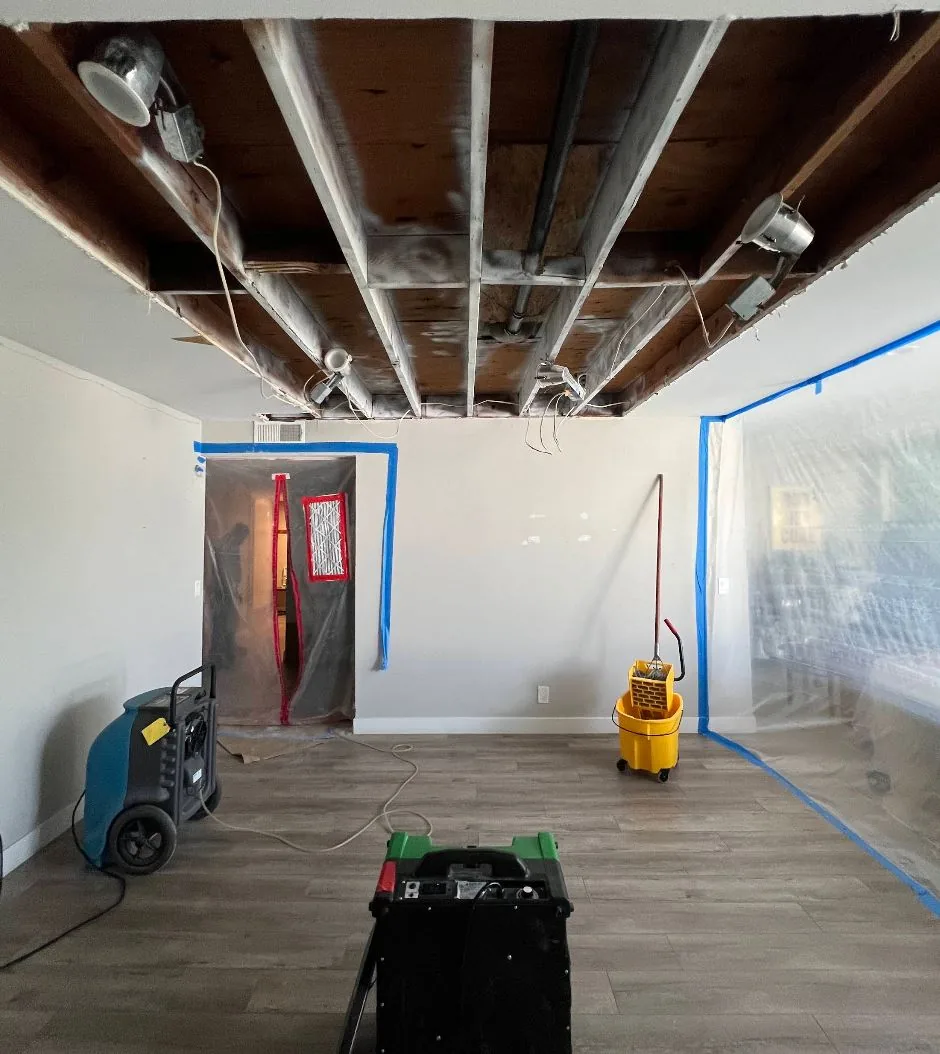
Miami 21 Covers a Range From Lower-Density Residential Areas to High-Density Mixed-Use Urban Core Zones
That variety matters to restoration because water can move very differently inside a house, condo building, mixed-use property or commercial interior.
Miami 21 Zoning Framework
Miami 21 uses a transect-based zoning system ranging from lower-density residential environments through urban centers, high-density Urban Core areas and specialized districts.
The City’s Miami 21 zoning materials describe zones that range from primarily residential areas to high-density mixed-use settings.
Urban Core zones can accommodate residential, lodging, office and commercial uses at substantially greater intensity than the City’s lower-density residential zones.
Zoning does not tell us whether a particular building has water damage. Its value here is simply to establish that Miami contains materially different building contexts where a water path may involve one room, multiple units, several floors or mixed-use interiors.
Four Water-Entry Patterns Require Four Different Starting Points
Water starts inside a kitchen, bathroom, laundry area, utility space or another interior plumbing location.
Water enters a floor or ceiling assembly before appearing inside the space below.
Water enters from outdoors through a building opening or reaches a lower interior area during a larger water event.
Water begins in another unit, room or commercial interior and reaches the affected space through a shared building assembly.
The First Visible Damage Does Not Always Identify the Original Entry Point
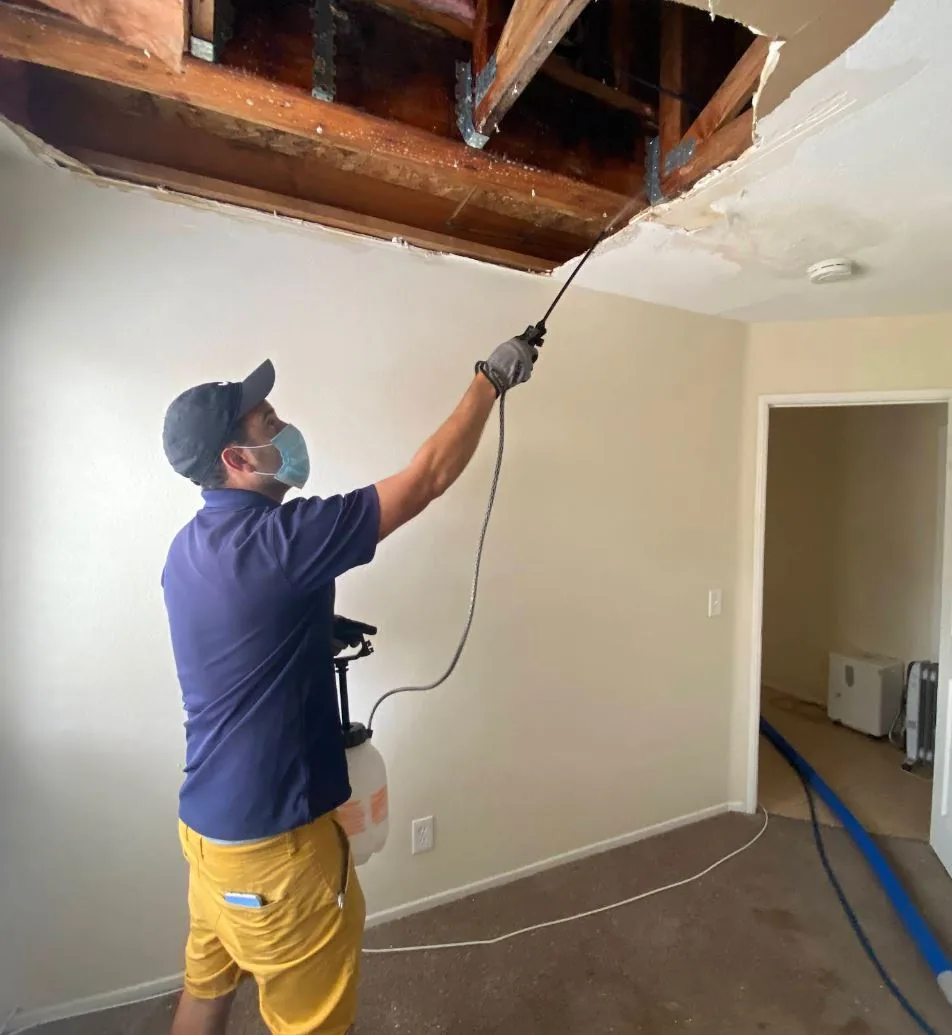
Water From One Level Can Become a Ceiling Problem on Another
In a multi-level building, the source and the visible damage may be separated by a floor and ceiling assembly.
A bathroom, kitchen or plumbing loss may enter the assembly before a stain or wet area appears in the room below.
That means a useful moisture scope can include both the upstream source area and downstream ceiling or wall materials—not only the place where the stain became visible.
Fixture, Appliance or Plumbing Area
Identify where water entered the building assembly.
Materials Between Occupied Levels
Water may migrate through concealed materials before becoming visible below.
Downstream Visible Damage
Ceiling staining or softened material may show only the lower end of the path.
Wall, Flooring or Nearby Interior
Connected materials may also require evaluation depending on the actual water path.
Exterior Water Entry Should Be Distinguished From an Interior Plumbing Loss
When water originates outdoors, the first restoration question changes: where did it enter the building, and which interior materials were in its path?
The City of Miami’s fiscal-year 2026 capital program identifies more than 30 sea-level-rise and flood-prevention projects addressing public infrastructure in response to sea-level rise, storm surge, sunny-day flooding and extreme rainfall.
That is citywide infrastructure context—not a statement that every Miami property has the same flood exposure. Actual property conditions, flood designation and the source of a specific water loss must be evaluated individually.
For additional City context, see the City of Miami FY26 Capital Improvements Program .
Where Did Water Enter?
Identify the exterior or interior point where water reached the property.
Which Floor Edge Was Reached?
Check the material immediately inside the entry path.
Did Water Continue Indoors?
Follow the path toward connected rooms and lower wall materials.
What Still Needs Drying?
Evaluate retained moisture after accessible water has been removed.
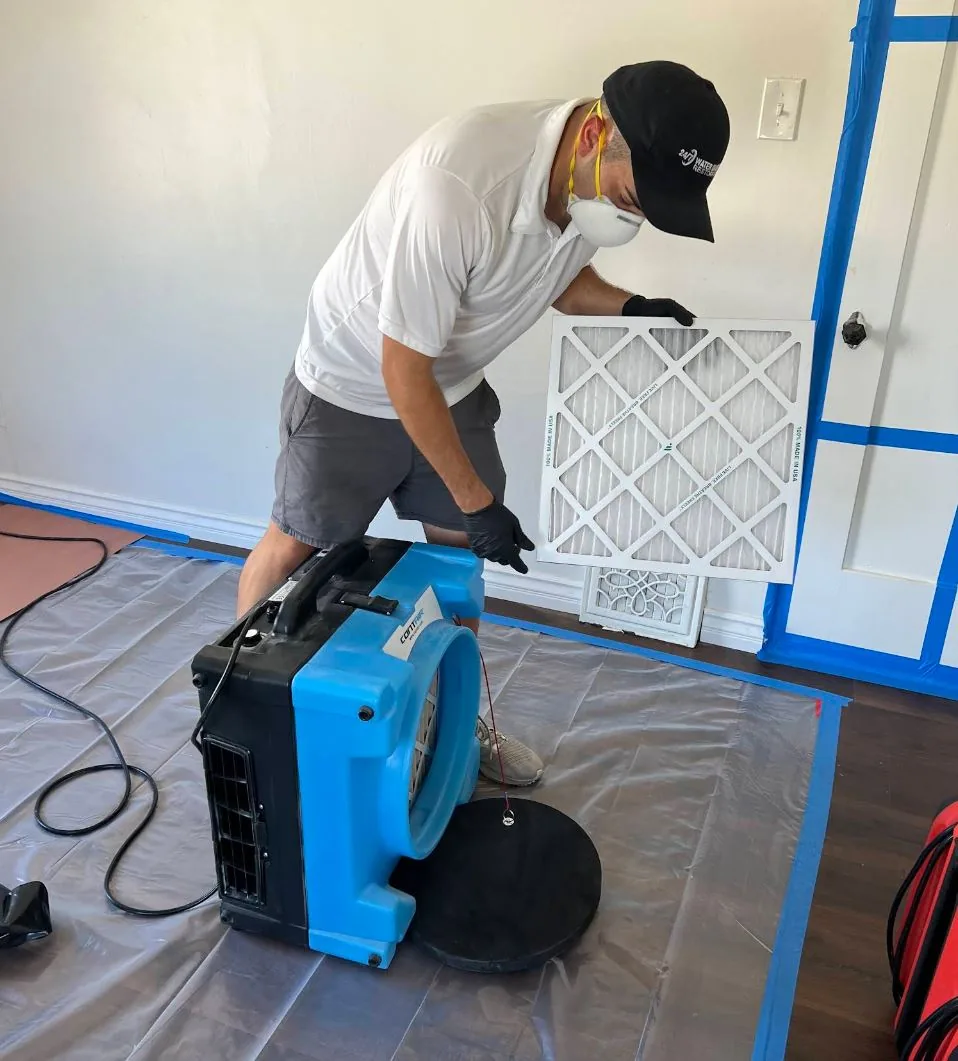
High-Density Miami Properties Can Combine Residential, Lodging, Office and Commercial Uses
Miami 21’s Urban Core framework permits high-density development and accommodates a range of residential, lodging, office and commercial uses.
In a mixed-use building, the source of a water loss and the affected downstream space may not have the same use.
For example, water may begin inside a residential or service interior and become visible in another occupied area through a shared wall, floor or ceiling assembly. The actual building layout determines the relevant restoration scope.
Map water between the source unit, shared assembly and downstream interior.
Follow water from restrooms or service zones toward occupied work areas.
Check whether source-area water moved into customer or work flooring.
Evaluate the shared assembly connecting differently used interiors.
Once the Entry Path Is Known, Drying Should Follow the Confirmed Moisture Path
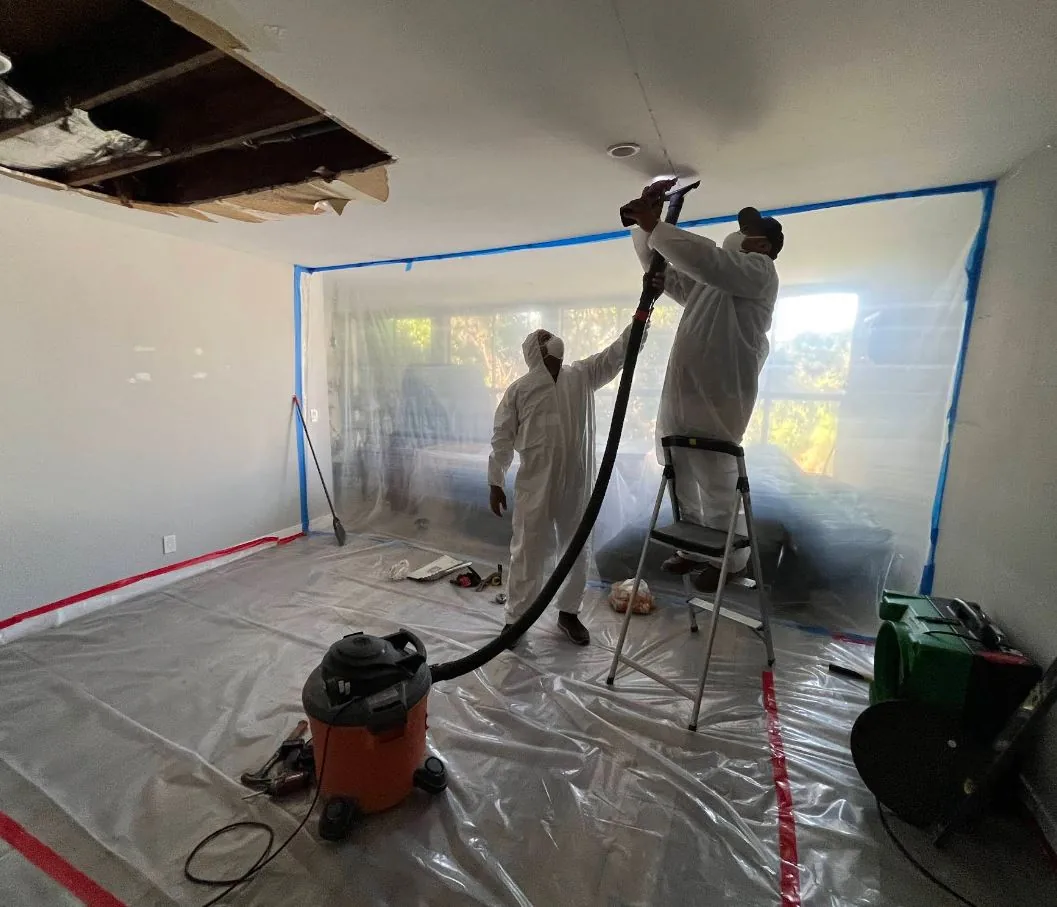
Water extraction removes accessible standing water. It does not by itself confirm that flooring, drywall, ceiling materials or concealed assemblies are dry.
A plumbing leak may leave moisture beneath flooring. Water from above may remain inside ceiling materials. Exterior entry may affect floor edges and lower wall materials even after visible water has been removed.
The U.S. Environmental Protection Agency’s mold and moisture guidance recommends drying water-damaged areas and items within approximately 24 to 48 hours to help reduce the opportunity for mold growth.
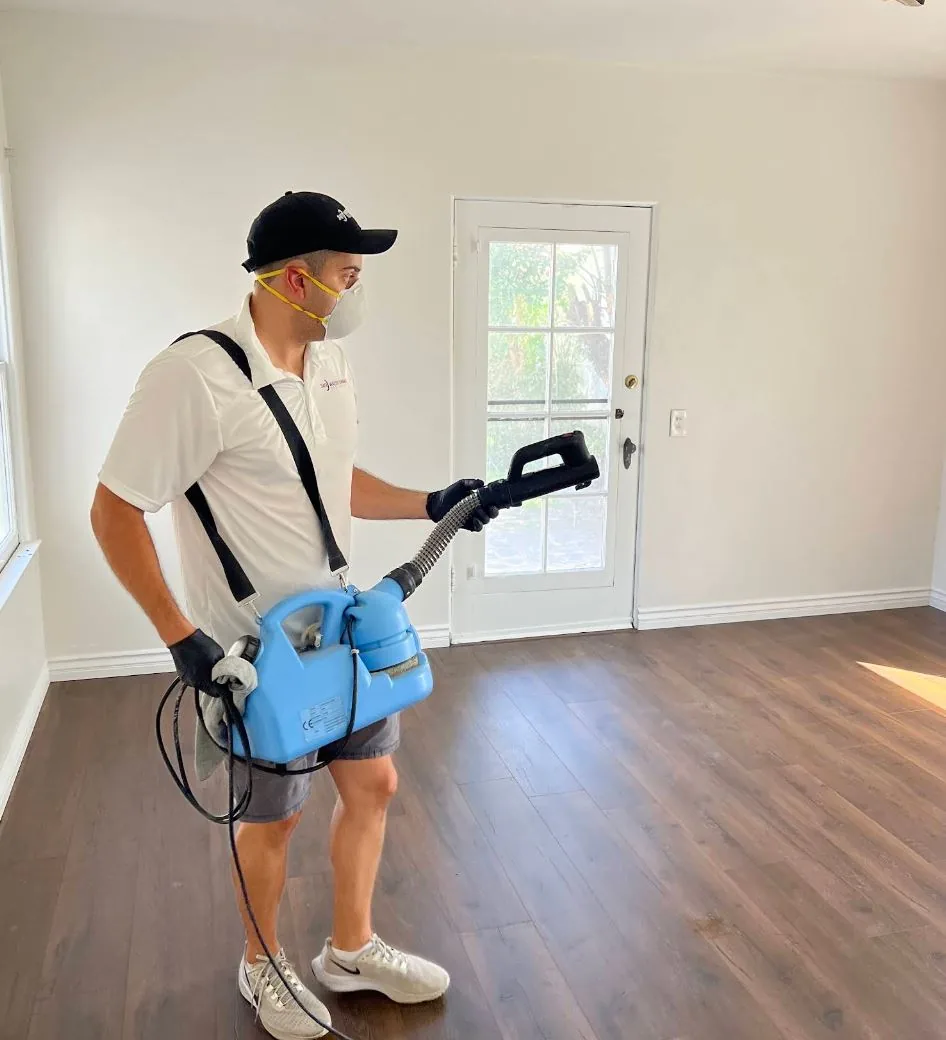
Match the Service to the Source and Current Water Condition
Standing Water Is Present
Remove accessible water after plumbing failures, appliance leaks, overflows and other interior water releases.
Water Extraction →Water Reached Several Rooms
Address a broader water footprint when a larger release affects multiple connected interior areas.
Flood Cleanup →Walls or Ceilings Are Wet
Evaluate drywall, ceilings and concealed assemblies associated with the confirmed water path.
Drywall Water Damage →Moisture Remains After Extraction
Address moisture retained within flooring, walls, ceilings and other affected materials.
Structural Drying →Business Interior Is Affected
Address water affecting offices, retail interiors and other commercial spaces.
Commercial Restoration →Interior Materials Need Repair
Restore appropriate finishes after required water removal and drying are complete.
Water Damage Repair →Five Decisions From Water Entry to Interior Restoration
Identify Entry
Determine whether the water began inside, above, outside or in another connected space.
Map the Path
Identify the rooms, levels and building materials connected to that source.
Extract
Remove accessible standing water from the confirmed affected areas.
Dry
Address retained moisture within affected building materials.
Restore
Repair appropriate finishes after moisture conditions are addressed.
Do You Know Where the Water Entered—or Only Where It Became Visible?
Contact 24/7 Water Damage Restoration Miami for water extraction, moisture evaluation, structural drying and interior property restoration.
Explore Individual Water Damage Services
Questions About Interior, Vertical and Exterior Water Paths
The visible location alone may not establish the source. A floor-level water pattern may point toward an interior fixture or appliance, while ceiling damage may require evaluating the connected interior or building assembly above.
Yes. Depending on the building layout and source, water can enter the floor and ceiling assembly and become visible inside the space below.
The restoration goal still includes removing accessible water and addressing retained moisture, but the investigation starts differently. Exterior entry requires identifying where outside water entered and which interior materials were in that path.
No. Citywide resilience and flood-prevention projects address public infrastructure concerns. Individual property exposure varies and should be evaluated using property-specific conditions and official flood information.
It can. Changes in surface appearance do not necessarily establish the moisture condition of material behind or above the finished ceiling.
No. Extraction removes accessible standing water. Structural drying addresses moisture retained inside affected building materials.
Yes. Water extraction, structural drying and interior restoration are available for affected offices and other commercial properties in the Miami service area.
Tell Us Where the Water Appeared and How You Think It Entered the Property
Describe whether the water appears connected to plumbing, an appliance, another building level, another unit or an exterior entry point, and which floors, walls, ceilings, rooms or business areas are affected. Contact 24/7 Water Damage Restoration Miami for service.