What to Do in the First 60 Minutes After Water Damage in Los Angeles
A burst pipe, overflowing appliance or sudden ceiling leak can damage more than the room where water first appears. Use this safety-first checklist to decide what to do immediately, what to document and when to request professional emergency water damage cleanup in Los Angeles.
Quick Answer: What Should You Do First After Water Damage?
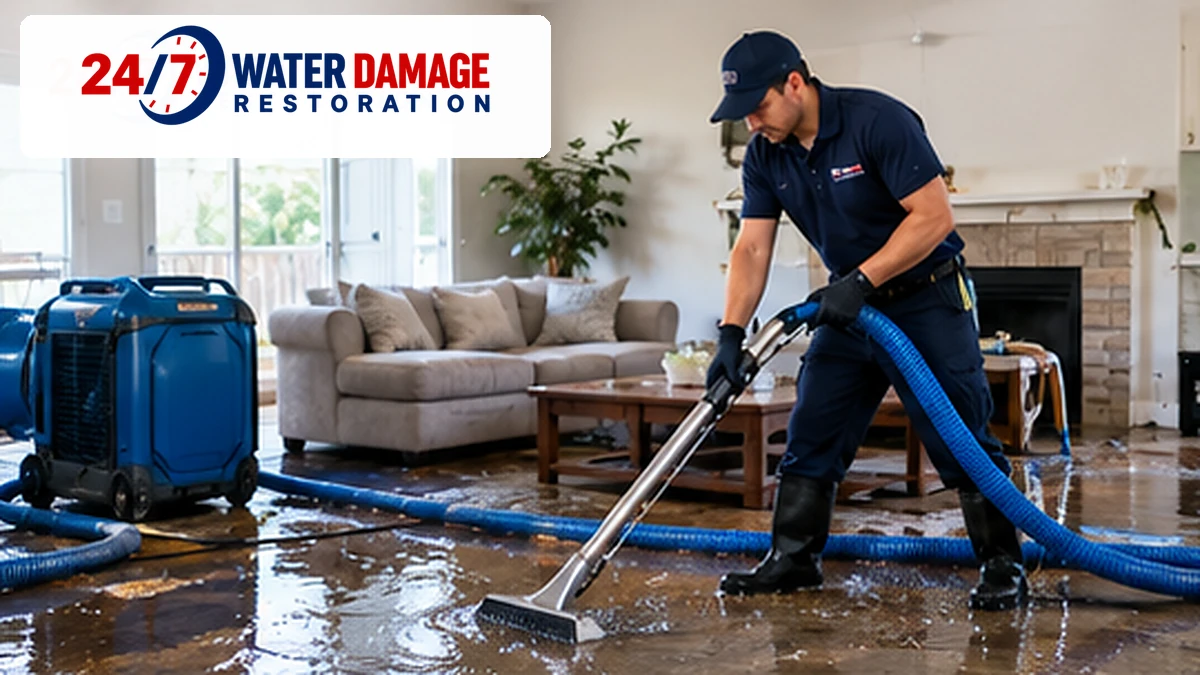
First, protect people from electrical, structural and contaminated-water hazards. If it is safe, stop the water source, record visible damage with photos and contact a restoration professional. Do not walk into standing water near electrical equipment. Standing water removal may be followed by moisture inspection and structural drying because floors and walls can remain wet.
In Los Angeles, indoor water damage can affect houses, older apartments, condominiums and mixed-use buildings. A broken supply line in an upstairs unit may soak a downstairs ceiling. A washing machine overflow may move beneath adjacent flooring. A small leak behind cabinets may remain unnoticed until the baseboards swell. The initial action is similar in each case: make the scene safe, control the source where possible, record what happened and begin an appropriate cleanup plan.
The first hour is especially useful for gathering accurate information. You do not need to diagnose every wet material or know whether flooring must be replaced. Instead, focus on actions you can perform without putting yourself at risk. This guide explains which tasks are suitable for occupants and which are better handled by water damage professionals.
1. Check for Electrical, Structural and Water-Contamination Hazards
Before touching belongings or reaching for towels, look at the affected area from a safe, dry location. Water can create electrical shock hazards, conceal sharp debris and make some building materials unstable. A ceiling that is bulging under a leak may release water or damaged material without warning. Never assume a room is safe just because the water appears shallow.
Keep children, pets and other occupants out of affected areas. Avoid outlets, light fixtures, power strips, appliances and electrical panels that are wet or surrounded by water. If the main power shutoff can be reached without entering a wet or hazardous area, follow appropriate safety guidance; otherwise, leave it to a qualified professional or utility provider. Do not handle wet electrical devices.
Also consider where the water came from. A burst clean-water supply line is different from a toilet backup, sewer overflow or outdoor floodwater. Potentially contaminated water should not be treated as an ordinary housekeeping spill. If you smell sewage, see debris in the water or cannot identify its source, avoid direct contact and describe those conditions when requesting help.
The CDC’s disaster cleanup safety guidance explains why contaminated water, electricity and wet materials require caution. Do not delay evacuation or emergency assistance in order to complete the other steps on this page.
2. Stop the Water Source if You Can Reach It Safely
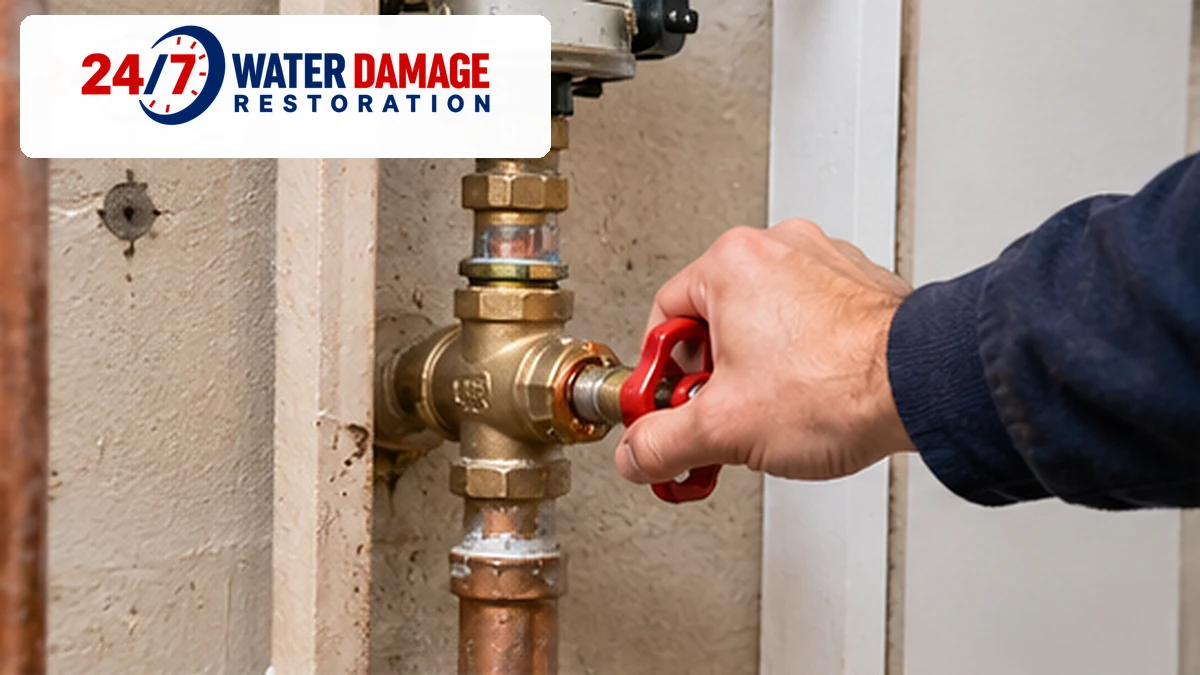
When the leak comes from a plumbing fixture or appliance, stopping the flow may limit how far water spreads. If the shutoff valve is accessible from a dry, safe location and you know how to use it, close the appropriate fixture valve or the home’s main water supply. Do not cross standing water, move damaged electrical equipment or dismantle plumbing to reach a valve.
A bathroom supply-line leak may have an accessible local valve. A washing machine hose failure may require closing its supply valves. A leak inside a wall may require shutting off water to a larger portion of the property. If the valve does not turn easily, is damaged or is in an unsafe location, call a qualified plumber or property maintenance contact rather than forcing it.
What if the leak is coming from above?
In a multi-story home or Los Angeles apartment building, the visible stain may be far from the actual problem. Water can travel around framing, along pipes and through connected ceilings. Notify the property owner, building manager or upstairs neighbor where appropriate, but do not enter another unit or open ceilings yourself. A plumber may be required to isolate the source while a restoration team assesses the affected rooms.
Water shutoff is not the same as cleanup. Even after the dripping stops, moisture may remain under flooring, inside drywall or along cabinet bases. That is why source control should be followed by an evaluation of the damage rather than simply waiting for the surface to dry.
3. Photograph the Damage and Make a Simple Incident Record
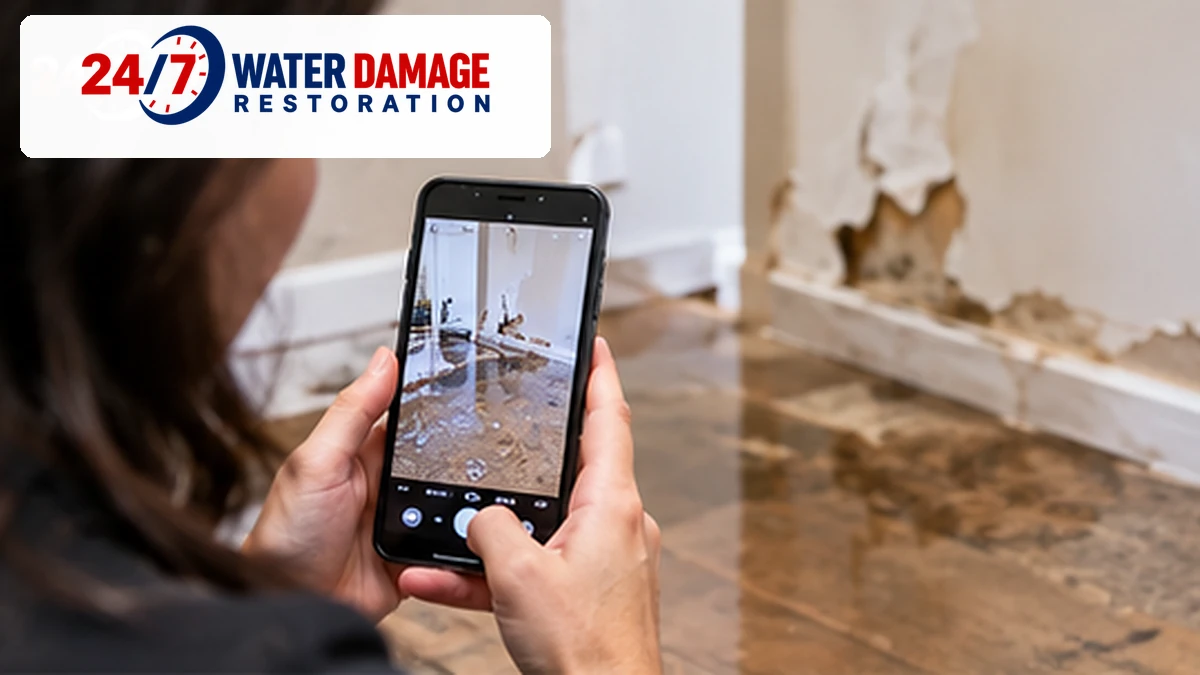
Once everyone is safe and you can access a dry viewing point, document what you see before moving unaffected belongings or starting nonessential cleanup. Photographs can help you communicate the extent of the loss to your insurer, property manager and restoration provider. Documentation is useful even when the damage looks minor because moisture can travel beyond the original leak.
Take wide photographs of the affected room, then closer images of visible wet areas such as baseboards, walls, ceilings, floor transitions and damaged possessions. If it is safe, photograph the apparent water source and the neighboring rooms. A short video describing where you first noticed the water can also help create a time-stamped record.
Details worth writing down
- The date and approximate time the leak or water intrusion was discovered.
- The suspected source, such as a pipe, water heater, dishwasher, roof leak or drain backup.
- Which rooms or building levels show visible damage.
- When the water was shut off and whom you notified.
- Any obvious changes to flooring, ceiling surfaces, cabinets or furniture.
- The names of plumbers, maintenance personnel or restoration professionals contacted.
If you plan to file an insurance claim, contact your insurer or agent promptly and ask about documentation, mitigation expectations and authorization requirements. Policies differ; no article can determine coverage for a specific incident. Never postpone an urgent safety action just to obtain a photograph, and do not discard potentially relevant damaged property without first checking safety needs and applicable insurer instructions.
Standing Water Inside Your Los Angeles Property?
24/7 Water Damage Restoration accepts emergency water damage inquiries for Los Angeles homes, apartments and business interiors. Describe the water source, affected rooms and current conditions to discuss next steps.
4. Assess Whether Professional Emergency Water Extraction Is Needed
After the immediate hazards are addressed, determine whether there is accessible standing water or material that has absorbed significant moisture. A few drops on a washable countertop are not the same as water that has moved under a floor, through carpet padding or across multiple rooms. If water is widespread, its source is uncertain or building materials are affected, a restoration assessment is usually more appropriate than trying to clean everything with household towels.
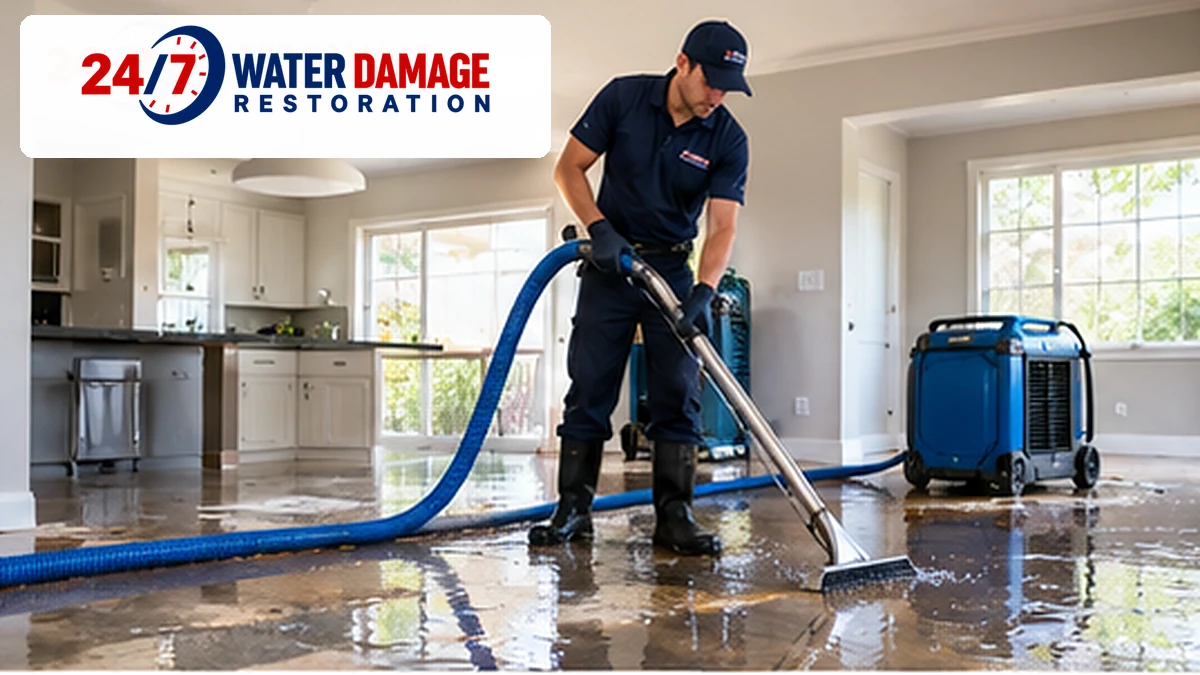
Professional extraction equipment is intended to remove standing and accessible excess water so the property can move into moisture evaluation and drying. Depending on the situation, technicians may inspect adjoining rooms, extract water from affected surfaces and determine which materials need additional attention. See Henry’s emergency water extraction service in Los Angeles for the scope of that work.
What should you tell the restoration provider?
Start with the property address and whether the affected space is a home, apartment, condominium or commercial unit. Describe the suspected source, whether water is still flowing, which rooms are affected and whether there are signs of sewage, electrical contact or ceiling movement. Be specific about shared walls, upstairs leaks and nearby rooms that may not yet show visible moisture.
Ask what the initial inspection involves and how water extraction and drying decisions will be made. It is reasonable to ask about service availability, the assessment process, documentation and the next step after visible water is removed. Avoid assuming a fixed restoration timeline before the wet materials have been inspected.
5. Prepare for Moisture Inspection and Structural Drying
By the end of the first hour, you may still be waiting for a plumber, building manager or restoration professional. That does not mean the response has failed. The realistic goal is to stabilize the situation, share accurate details and make a plan for inspection. The property may need further work over the following days depending on the materials affected, the water source and the extent of moisture migration.
A wall that looks dry can still contain moisture beneath the paint or behind the baseboard. Similarly, flooring may appear clear after extraction while padding or a subfloor remains wet. Restorers may use moisture meters and other assessment methods to evaluate areas that cannot be judged reliably by sight or touch alone.
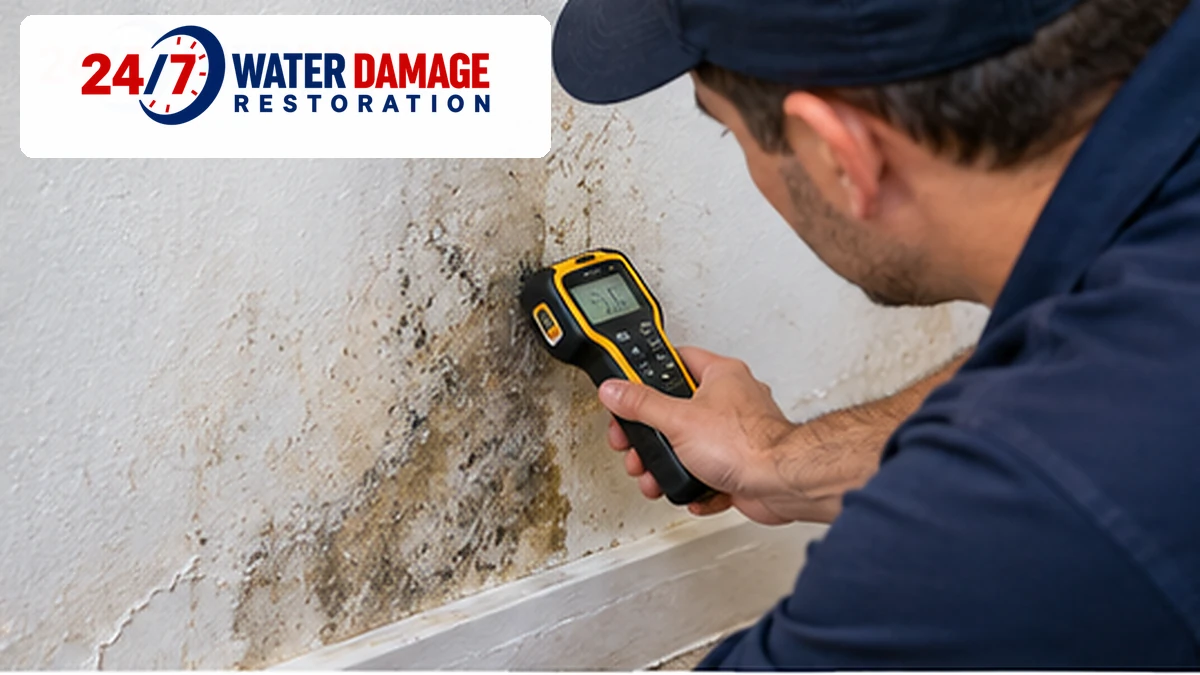
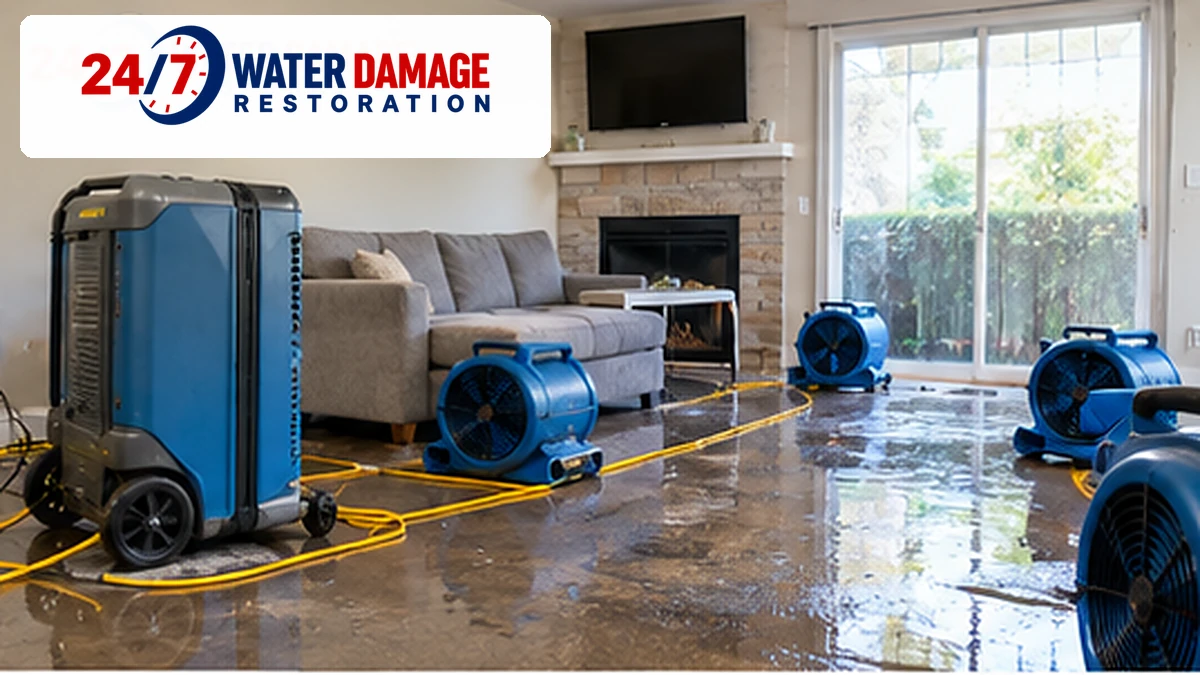
The next stage may involve controlled air movement, dehumidification, selective material removal and moisture monitoring. These decisions depend on actual conditions, and equipment should not be placed in a room with unresolved electrical or contamination hazards. For a deeper explanation, visit the structural drying service page.
The EPA advises prompt attention to wet materials to reduce mold risk, generally aiming to clean and dry affected areas within 24–48 hours when feasible. This is a reason to act promptly, not a guarantee that every damaged wall or floor can be fully dried within two days. The correct outcome depends on the amount of water, the type of material and whether contamination is present.
What Happens After the First 60 Minutes?
The first hour is about making good decisions. Restoration typically involves additional steps after the initial call and water-source control. In a straightforward leak, the process may progress from inspection to extraction, drying and repair. In a large flood, a sewer backup or a property with extensive concealed moisture, assessment and cleanup may be more complicated.
Review the source, visible impact, adjoining rooms and materials that may have absorbed water.
Extract standing water when the area is safe and suitable for that approach.
Evaluate moisture and adjust drying methods according to conditions and measurements.
Address affected finishes or materials after underlying moisture and safety issues are resolved.
Drywall, carpet, insulation, wood flooring and cabinets behave differently when wet. Some materials can be dried and retained; others may need to be removed based on the water source, material condition and applicable professional assessment. No responsible contractor should promise that every material can be saved without inspecting it.
For a larger interior flood or several connected wet rooms, see our Los Angeles flood cleanup service to understand how extraction and drying fit together. For broader service details, the Los Angeles water damage restoration page covers residential and commercial property situations.
How the Correct Response Changes With the Water Source
Burst supply pipe or appliance leak
These losses often involve a water source that can be isolated. Once it is safe to do so, shutting off the supply and arranging extraction may reduce continued wetting. However, the water may already have migrated beneath flooring or into neighboring rooms. Ask for moisture evaluation if drywall, carpet, cabinets or other absorbent materials are affected.
Overflowing sink, tub or toilet
An overflow may appear localized, but the water source and contamination risk matter. A clean sink overflow is not necessarily the same as wastewater backing up through a drain. If the water may contain sewage or other contamination, keep people away and use an appropriate professional cleanup response rather than ordinary DIY drying.
Roof leak or ceiling leak
Water from above can collect behind drywall and travel along ceiling assemblies. Avoid any ceiling that is bulging, cracking or visibly unstable. Do not pierce a ceiling or remove wet insulation yourself. The source may need repair by a qualified roofer or plumber while the affected interior is assessed for safe drying and restoration.
Outdoor floodwater or sewage backup
Floodwater can carry contaminants that are not visible. Wet items and porous building materials may require different handling than those affected by a clean plumbing leak. The EPA’s flood cleanup guidance describes important electrical, protective-equipment and indoor-air considerations. If the area is unsafe or heavily contaminated, leave cleanup to qualified personnel.
Extra Steps for Los Angeles Apartments, Condos and Managed Properties
When water damage affects a rented or multi-unit property, communication is part of the emergency response. Inform the landlord, building manager or HOA contact as applicable, especially if a shared plumbing system or upstairs unit may be involved. Explain whether water is still flowing, whether an adjoining unit could be affected and whether electrical or ceiling hazards are visible.
Residents should not enter restricted building areas, operate unfamiliar shared-system shutoffs or remove another occupant’s property. Managers can help coordinate access, maintenance and restoration between affected units. If the loss reaches multiple floors or shared walls, a clear record of where the water first appeared can help the professionals plan their inspection.
For business tenants, notify the responsible facilities or property contact and keep employees away from unsafe areas. Record which rooms, inventory areas, equipment or workspaces are affected. Building access, operational disruption and safe electrical conditions may influence the timing and scope of professional restoration.
Five Common Mistakes After Water Damage
- Walking into water near electrical equipment. No photograph or belonging is worth the risk of electrocution. Wait for qualified assistance.
- Assuming a room is dry after the puddle disappears. Flooring, wall cavities, baseboards and cabinets can retain moisture even after extraction.
- Running fans in an unsafe or visibly moldy area. Air movement must be appropriate for electrical safety and contamination conditions; it can be counterproductive if mold is already present.
- Throwing away damaged items without documentation. When safe and practical, photograph and record items before removal, and check applicable insurer instructions.
- Covering stains before the source and moisture are addressed. Paint, new trim or cosmetic repairs do not solve an unresolved leak or concealed moisture problem.
Another frequent mistake is waiting for a small leak to become a large visible problem before requesting an assessment. A minor-looking stain can still justify attention if it keeps growing, feels damp or appears near a plumbing line. Prompt investigation is often more useful than repeatedly painting over the symptom.
When Should You Call a Los Angeles Water Damage Restoration Company?
Consider contacting a professional when water has spread into carpeting or porous flooring, reached walls or ceilings, affected several rooms, originated in an uncertain location or cannot be safely removed with ordinary household methods. Professional help is especially important for suspected sewage, contaminated floodwater, compromised ceilings or repeated leaks that may have left hidden moisture.
When you call, you should be able to explain the property location and what you can see, not deliver a technical diagnosis. A helpful initial discussion can cover whether the source is controlled, whether standing water remains, the rooms affected and the next inspection or extraction step. You may also ask how the scope will be documented and when repair decisions are normally made.
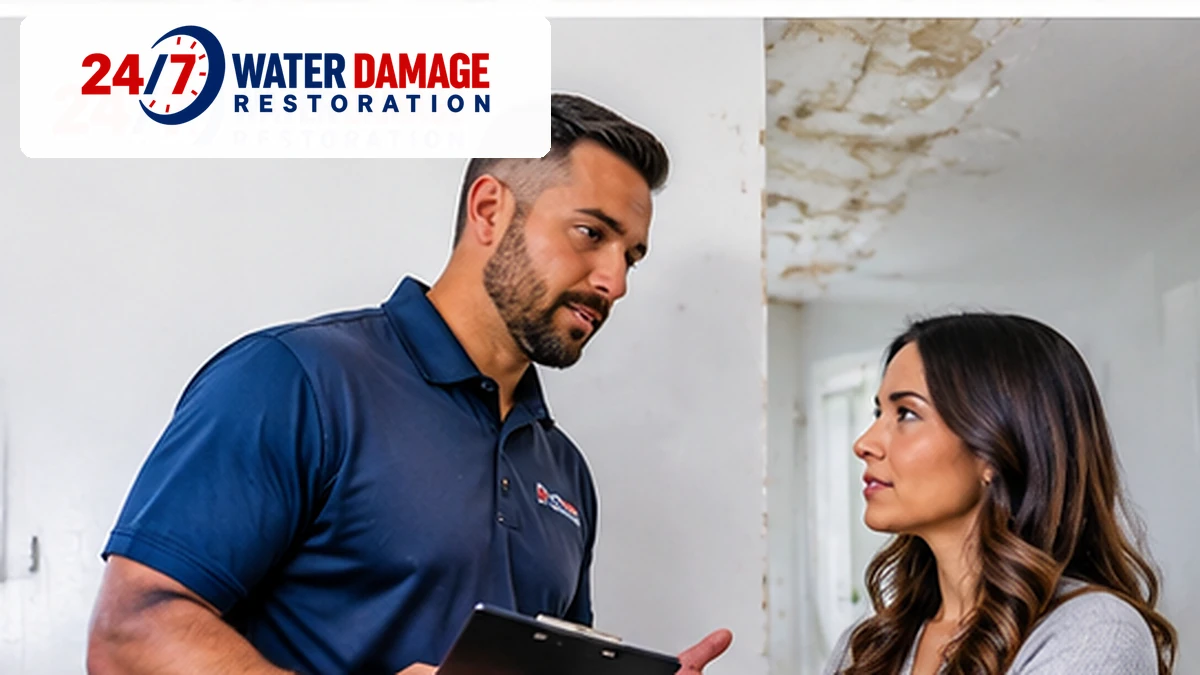
24/7 Water Damage Restoration provides information and service requests for water extraction, structural drying, flood cleanup and related restoration needs in Los Angeles and surrounding service areas. Service scope depends on property conditions and the findings of an assessment. Call (323) 487-7170 or use the online service request form to describe the situation.
Frequently Asked Questions About Emergency Water Damage Cleanup in Los Angeles
What is the first thing to do when water starts flooding a room?
Check for electrical, structural and contamination hazards, and keep everyone away from unsafe areas. If the water supply can be reached safely, stop the source. Then document visible damage and contact the appropriate plumber, building manager or restoration provider.
Can I stay in a room with standing water?
Do not enter a room where water is near electrical equipment, the ceiling looks unstable or the water may be contaminated. If you are unsure about safety, stay out until a qualified professional assesses the area.
How soon should water damage cleanup begin?
Start with immediate safety and source-control decisions. Cleanup and drying should begin as soon as conditions safely permit. EPA guidance emphasizes addressing wet materials promptly, often within 24–48 hours when feasible, to help reduce mold risk.
Is wiping up visible water enough?
Not always. Visible water can move into carpet padding, subfloors, drywall, cabinets and wall cavities. If absorbent building materials are wet, moisture evaluation and additional drying may be needed after surface water has been removed.
Should I take pictures before water damage cleanup?
Yes, when you can do so safely. Photograph affected rooms, visible damaged materials and the apparent source. Keep records of the discovery time, contacts and actions taken. Do not enter an unsafe space or delay emergency measures for photographs.
Will homeowners insurance pay for water damage restoration?
Coverage depends on the policy, cause of loss, exclusions and claim circumstances. Contact the insurer or agent to understand reporting and documentation requirements. A restoration contractor cannot guarantee insurance payment.
How long does professional water damage restoration take?
There is no universal timeline. Water extraction may be only the beginning; drying, monitoring and repair depend on the water source, affected materials, size of the loss and moisture conditions. An assessment is needed before a meaningful timeline can be discussed.
Who can I call for emergency water damage cleanup in Los Angeles?
You can contact 24/7 Water Damage Restoration at (323) 487-7170 to request information about water extraction, drying and cleanup services for affected residential or commercial properties in the Los Angeles service area.
Need Help With Water Damage in Los Angeles?
Don’t guess whether wet drywall, floors or cabinets are already dry. Explain what happened and where water traveled. Contact 24/7 Water Damage Restoration to discuss emergency extraction, moisture evaluation, drying and appropriate next steps for your property.
Safety references: CDC: Guidelines for Cleaning Safely After a Disaster and EPA: Flood Cleanup Guidance. This article provides general safety and restoration information, not electrical, plumbing, structural, insurance or medical advice for an individual property.
Images are branded illustrative scenes and do not represent documented jobs at specific addresses.